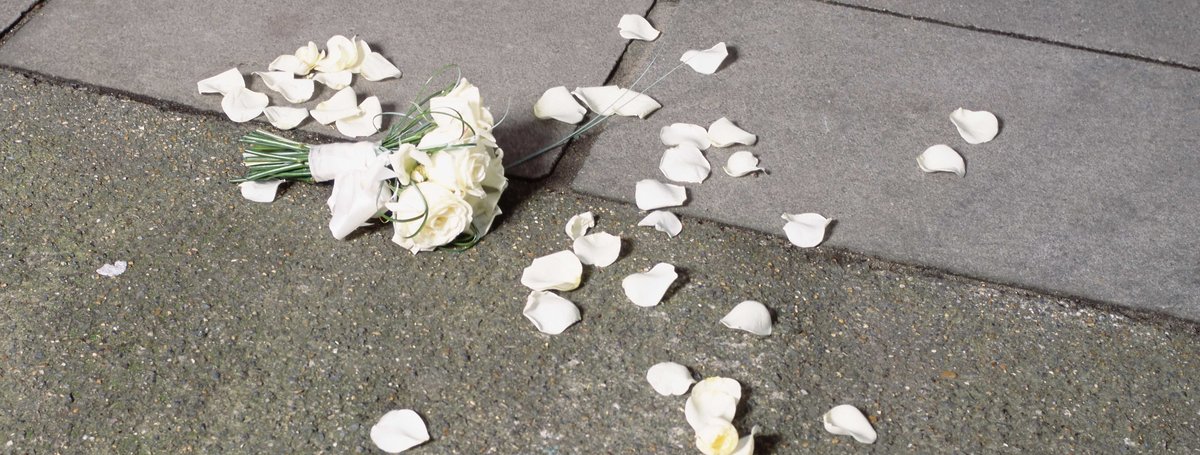
Physical & Emotional Abuse Support Group
Abuse is a general term for the treatment of someone that causes some kind of harm (to the abused person, to the abusers themselves, or to someone else) that is unlawful or wrongful. No one deserves abuse, period. Abuse can be emotional, physical, or sexual.

I developed the Index Card Exercise for myself and
now assigns it as homework, to my coaching clients:
Buy several packs of index cards.
You will write individual items
that fall into one of two categories
----- ONE ITEM PER CARD. One category
will be things that represent larger categories
of abuse. . . . . such as:
calls me ugly names
tells me to forget the past
retaliates with the silent treatment
tells me his mean comments were a joke
The above items are just examples; what you
write on your cards, ONE ITEM PER CARD ----
will be whatever YOUR abuser does (or did).
The second category of cards, will be a
brief phrase that recounts ONE instance
of what your abuser has done, over the
course of your relationship. So these
cards will hold ---- ONE INSTANCE PER
CARD ----- individual times your abuser
hurt you ----- big or small ----- anything
confusing or that leaves you feeling like you
were spun around.
Write down on a card EVERY INSTANCE you
can think of. If something hurt you or made you
feel uncomfortable or brought you DIScomfort,
it gets a card. (This might be witnessing your
abuser being disrespectful [or respectful to others
---- since he's never that way to you!].)
DO NOT edit yourself telling yourself,
"Oh that was nothing. It didn't hurt much."
Don't NOT give it a card, if it came into
your mind!!!!!!! DON'T censor yourself.
You won't be doing this exercise all at once.
Carry some cards in your purse or pocket
with you. If you think of something, write it
down. Continue to fill out new cards as
long as instances keep coming to mind.
Ways to make the categories complete:
For the individual instances category:
Look over the large categories to help you
remember individual times.
Look at photographs.
Look at day planners and diaries.
Go through old texts and emails.
Think about trips you took.
Think about holidays, birthdays or special occasions.
Ask friends and families what they remember
about your abuser.
Listen to music.
Meditate with your perfume if you use perfume
or his cologne if he used fragrance (or her perfume).
Visit places you were together a lot.
Make a meal you often made, for the two of you.
Put on an outfit that you liked, which he didnt or
an outfit or article of clothing upon which he insisted.
For the large categories:
Go through the individual cards and divide
them into the larger categories. After doing
this, is there a category appearing for which
you dont have a large category card?
Date the individual instances, if you can,
as close as you can. If he did a particular
thing many times, give each time its own
card.
Continue making new cards as long as
abuse continues to occur. This might be
even after you physically separate or even
divorce. If its happening, keep documenting
it.
There are a lot of reasons why doing this
at the time of a break up, will help you
keep moving forward.
Later on, when you need reminding, the evidence
of why you broke up, is there, in black and white.
When you wake up from a dream of how great
it was and how much you miss him, pull out
the stack. You can either roll straight
through the stack, and remind yourself that
all these instances are really just the tip
of the iceberg of how bad it really felt.
Or you can go through card by card, and
slowly and deliberately, put yourself
back into each painful moment. However
long you spend on doing this, long or
short, you'll be able to counter the
bittersweet dream feelings of missing
the romance that never actually lasted
in real life.
Many of us have recorded our experiences
in diaries and journals. Theres a reason why
I specify this exercise be done on index cards
though. As the cards pile up and the couple, three,
six, dozen cards become a stack, the sum of the
instances makes a greater impact as a deck that
takes up space than as a list on a page of paper.
Also, this is not just another pros vs. cons page.
I dont recommend that familiar process to consider
whether to stay or leave an abusive relationship
because, there are no positives that justify abuse.
IMPORTANT!!!!!!!
Please be sure not to allow the stack of cards you
develop to fall into the hands of your abuser. Keep
the stack somewhere other than in the home with
the abuser. Safety is always the first concern.
(Ilene has used the male pronoun in reference to
the abuser but wishes to be on record that females
can and do abuse, as well.)
Copyright Ilene Wolf, M.S., 2010
This is a brief overview.
Let me know if you have questions.
now assigns it as homework, to my coaching clients:
Buy several packs of index cards.
You will write individual items
that fall into one of two categories
----- ONE ITEM PER CARD. One category
will be things that represent larger categories
of abuse. . . . . such as:
calls me ugly names
tells me to forget the past
retaliates with the silent treatment
tells me his mean comments were a joke
The above items are just examples; what you
write on your cards, ONE ITEM PER CARD ----
will be whatever YOUR abuser does (or did).
The second category of cards, will be a
brief phrase that recounts ONE instance
of what your abuser has done, over the
course of your relationship. So these
cards will hold ---- ONE INSTANCE PER
CARD ----- individual times your abuser
hurt you ----- big or small ----- anything
confusing or that leaves you feeling like you
were spun around.
Write down on a card EVERY INSTANCE you
can think of. If something hurt you or made you
feel uncomfortable or brought you DIScomfort,
it gets a card. (This might be witnessing your
abuser being disrespectful [or respectful to others
---- since he's never that way to you!].)
DO NOT edit yourself telling yourself,
"Oh that was nothing. It didn't hurt much."
Don't NOT give it a card, if it came into
your mind!!!!!!! DON'T censor yourself.
You won't be doing this exercise all at once.
Carry some cards in your purse or pocket
with you. If you think of something, write it
down. Continue to fill out new cards as
long as instances keep coming to mind.
Ways to make the categories complete:
For the individual instances category:
Look over the large categories to help you
remember individual times.
Look at photographs.
Look at day planners and diaries.
Go through old texts and emails.
Think about trips you took.
Think about holidays, birthdays or special occasions.
Ask friends and families what they remember
about your abuser.
Listen to music.
Meditate with your perfume if you use perfume
or his cologne if he used fragrance (or her perfume).
Visit places you were together a lot.
Make a meal you often made, for the two of you.
Put on an outfit that you liked, which he didnt or
an outfit or article of clothing upon which he insisted.
For the large categories:
Go through the individual cards and divide
them into the larger categories. After doing
this, is there a category appearing for which
you dont have a large category card?
Date the individual instances, if you can,
as close as you can. If he did a particular
thing many times, give each time its own
card.
Continue making new cards as long as
abuse continues to occur. This might be
even after you physically separate or even
divorce. If its happening, keep documenting
it.
There are a lot of reasons why doing this
at the time of a break up, will help you
keep moving forward.
Later on, when you need reminding, the evidence
of why you broke up, is there, in black and white.
When you wake up from a dream of how great
it was and how much you miss him, pull out
the stack. You can either roll straight
through the stack, and remind yourself that
all these instances are really just the tip
of the iceberg of how bad it really felt.
Or you can go through card by card, and
slowly and deliberately, put yourself
back into each painful moment. However
long you spend on doing this, long or
short, you'll be able to counter the
bittersweet dream feelings of missing
the romance that never actually lasted
in real life.
Many of us have recorded our experiences
in diaries and journals. Theres a reason why
I specify this exercise be done on index cards
though. As the cards pile up and the couple, three,
six, dozen cards become a stack, the sum of the
instances makes a greater impact as a deck that
takes up space than as a list on a page of paper.
Also, this is not just another pros vs. cons page.
I dont recommend that familiar process to consider
whether to stay or leave an abusive relationship
because, there are no positives that justify abuse.
IMPORTANT!!!!!!!
Please be sure not to allow the stack of cards you
develop to fall into the hands of your abuser. Keep
the stack somewhere other than in the home with
the abuser. Safety is always the first concern.
(Ilene has used the male pronoun in reference to
the abuser but wishes to be on record that females
can and do abuse, as well.)
Copyright Ilene Wolf, M.S., 2010
This is a brief overview.
Let me know if you have questions.
Stuff like....leaving his trash around for me to pick up...little niggly stuff and big stuff too...entitlement. I write about that one a lot.