Living with COVID
Something from my employer that I thought was pretty good.
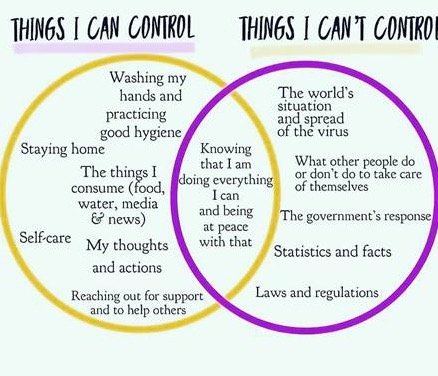
It is no secret that tensions are high and maybe you find yourself pondering what is wrong with the world… the intent of today’s message isn’t to argue rights or wrongs, but to provide some perspective and help everyone avoid anger, anxiety, self-doubt, or helplessness as we navigate the tough topics out there.
“Too many people don’t care what happens so long as it doesn’t happen to them.” – William Taft
That may be the way of life for those around us. Some people are not convinced face coverings are necessary and are seemingly fearless about the possibility of catching COVID-19. But there are plenty of people around who are trying to stay safe and are following the expert advice to wear a face covering, social distance as much as possible, and wash their hands often. If you have doubts, try to think about those who are afraid to bring home the virus to their children or older parents, the ones who are trying anything to keep their pregnant spouse from catching it, or those who despite personal health issues have to come out and work or go to appointments. If you have found yourself over-thinking or stressing about a family member or friend who don’t seem to be taking COVID-19 seriously, acknowledge and understand that some things are out of our control and we can only focus on what we can control.
" src="blob:https://www.dailystrength.org/c9ccd654-dba3-4921-8236-2aaaf3e526dd" alt="image003.jpg" border="0" class="Apple-web-attachment Singleton" style="width: 4.6041in; height: 4.6041in; opacity: 1;">
It is tricky for both sides of an issue to engage and share thoughts with those they care about who may feel differently without it devolving into an unproductive mess of a conversation.
- Always rely on current and trusted sources for information and avoid too many statistics. Statistics are pliable, remember?
- If your resources aren’t helping you make your point, maybe the message needs to come from elsewhere. A parent might listen to the information if it comes from their sibling or another relative in their age group.
- Sometimes, anecdotes might be more effective. If you know someone or a situation that you can share, that might resonate better. At some point, you probably have had a hard time grasping the reality of something until you had experience with it yourself.
- Share your concerns and fears and have a two sided conversation. Remember the golden rule: listen twice as much as you speak. As you prepare for difficult conversations, think about the following:
- Be prepared, know what you want to say, but also be ready to walk away if it is causing more harm than good.
- Be as calm and relaxed as possible, stay at eye level, and it’s best to be seated if possible.
- No name calling, finger pointing, or blaming. These are generally unhelpful in any conversation.
- Be clear and concise when describing your feelings and requests.
- Avoid the use of always, never, everything, nothing… very few things in life are absolute.
- Do not interrupt while the other is talking. Be clear that you understood by repeating back what they said or ask for clarification.
- Approach the conversation with openness, this is not a competition, so you don’t need to be right to partake in the conversation.
- Stay on topic!
- Know when to move on. Sometimes you just may not be able to convince your family or friend to see your point of view… and that’s okay. In the end everyone is responsible for themselves, remember we can really only control our own health and actions.
- Stop and take a moment if you find yourself getting frustrated or angry when talking. Maybe pause the conversation for the time being.
- Consider there might be unknown factors that are causing the person to not follow the guidelines or listen to your side. Maybe they are not doing well with the isolation, maybe they have concerns due to something else they researched, just realize that others come from a different perspective and for your own mental health it may sometimes be best to walk away.
When it comes to public health, there is no “them”, only “us”. Encourage thoughts for the greater good within yourself and others rather than just your own health and safety. Taking the steps to wear a face covering and staying six feet apart as just one way to show kindness and respect to each other.
At the end of the day, we are all human and we are trying to live our lives as best we know how, so be nice.
Replies
Thank you Thor. This is really great!
Pretty darn good! I have a simple rule if something is happening outside of my skin that means my control of the situation is just about 0.
I really like that graphic. So true.
It’s been making me tense up more lately. I wish I could take a camping vacation to a beautiful national park or something.
This is great Thor..... Thanx ....xo