Your Child And Ear Infections
Many of today's children suffer from allergies, runny noses and coughing fits. Unfortunately, many parents think that this is normal and due to their children being in contact with other children; however, it is never normal to always be sick, no matter what your age is. Childhood illnesses can range from 24-hour viruses to ear infections or even cancer.
No matter the type of illness that your child is experiencing, it stems from either physical, emotional or chemical stress. Children's functional medicine looks at what is placing stress on your child's body using non-invasive testing and a comprehensive medical approach to help eliminate it. Once the stress is identified and eliminated, the damage that it has caused will be addressed and repaired.
Some of the most common stressors in children include food sensitivities and food allergies. When a food is consumed that your child has a sensitivity or allergy to, the immune system activates and begins attacking healthy tissues and cells in the body. This can lead to an increased risk of autoimmune conditions like psoriasis, Multiple Sclerosis, Rheumatoid arthritis and chronic colds and ear infections.
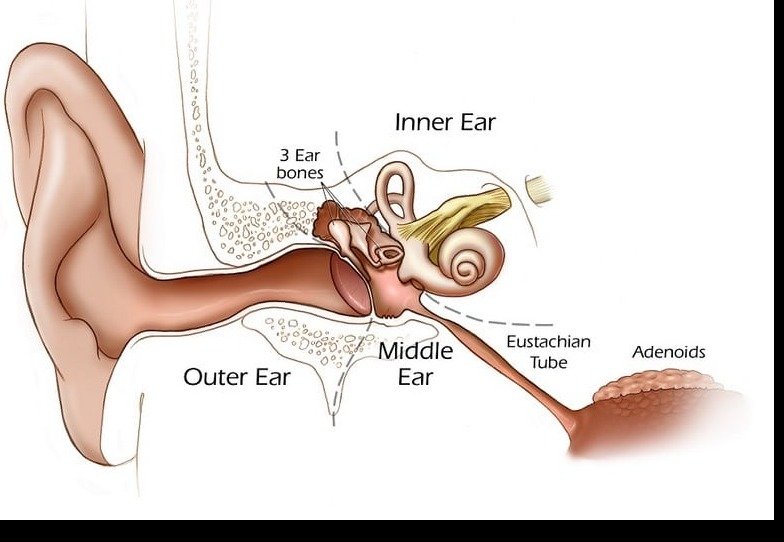
Ear infections occur when the middle ear becomes inflamed and allows fluid to build up behind the child's eardrum. The National Institutes of Health reports that 5 out of 6 children will experience an ear infection by their third birthday. There are three types of ear infections, each with their own set of symptoms.
• Acute otitis media occurs when the middle ear becomes swollen and fluid builds behind the child's eardrum, which causes pain.
• Otitis media with effusion occurs when fluid remains trapped behind the child's eardrum after an ear infection has cleared. Typically, otitis media with effusion has no symptoms.
• Chronic otitis media with effusion cause fluid to stay for a long period of time behind the eardrum or the fluid comes and goes without any infection. Chronic otitis media with effusion can affect a child's hearing and make it more difficult for the child to fight off new ear infections.
What are the symptoms of an ear infection?
Ear infection symptoms in children are different from ear infections in adults. Some of the common ear infection symptoms in children include:
• Crying when lying down
• Decrease appetite
• Irritability
• Ear drainage
• Unexplained fever
• Poor sleep
• Tugging at the ears
• Balance problems
• Trouble hearing
Ear infections often follow an upper respiratory infection, a cold or a sore throat. The bacteria or virus that causes these upper respiratory infections may spread to the middle ear. As the bacteria in the middle ear increases, inflammation occurs which can cause fluid to build up.
In children, the ear tubes, known as eustachian tubes are more level and smaller than in adults. The eustachian tubes help to drain fluid from the ear. Because the tubes are smaller, fluid in the ear has a more difficult time draining, especially when the ear tubes are blocked with mucus or inflamed due to an upper respiratory infection.
How functional medicine deals with ear infections
The conventional treatment for ear infections involves prescribing an antibiotic; however, the CDC does not recommend treating most ear infections with antibiotics. Instead, they recommend allowing the immune system to fight off the ear infection. This is much like how children's functional medicine doctors deal with it.
There are several ways you can enhance your child's immune system. When the immune system is strong and functioning correctly, the body is able to defend against viruses and bacteria that can cause ear infections. Increasing fermented foods such as yogurt, kimchi, sauerkraut and pickles along with a probiotic supplement helps to improve immunity. In addition to this, there are several home remedies that can help ease the symptoms of an ear infection.
• Olive oil – Warm a few drops of olive oil and drizzle into the affected ear to help relieve pain. Do not place a cotton ball in the ear as it can prevent fluid from draining from the ear.
• Onion – Slice an onion and wrap the slices in a cloth. Hold the cloth over the affected ear for ten minutes a few times a day.
• Heat – A hot water bottle wrapped in a cloth can be placed next to the ear to relieve pain.
Ear infections are quite common in children because their eustachian tubes have not fully developed. The small circumference of these ear tubes can prevent excess fluid from the ears from draining, resulting in an increased risk of ear infection and ear pain.
Replies