Why Asbestos Testing Is Crucial for Construction Sites and Older Properties
Asbestos is one of the most hazardous materials that can be found in buildings, and its risks are especially high for those working in construction or managing older properties. This naturally occurring mineral, once used widely for its durability and heat resistance, is now known to be a significant health threat. Exposure to asbestos fibers can cause serious diseases such as lung cancer, asbestosis, and mesothelioma. Therefore, asbestos testing is crucial for ensuring the safety of everyone involved in construction projects and for those who occupy or manage older properties.
In many cases, asbestos is present in older properties that were constructed before the 1980s, when its use was more prevalent. While modern buildings rarely contain asbestos, older buildings may still have asbestos-containing materials (ACMs) in places like insulation, flooring, and roofing. When these materials are disturbed—whether during demolition, renovation, or maintenance—the asbestos fibers can become airborne and pose a serious risk to health. This is why asbestos testing is especially important before any construction work begins. It helps ensure that workers and future building occupants are not exposed to harmful fibers.
For construction sites, asbestos testing is not just an important safety measure; it is often required by law. Many countries have strict regulations that mandate asbestos surveys and testing before demolition or construction work can begin, particularly for buildings that were built before the 1980s. Construction companies are legally responsible for ensuring that their workers are not exposed to asbestos. Failing to test for asbestos could lead to severe legal consequences, including fines, shutdowns, and potential lawsuits. Conducting proper asbestos testing also helps construction companies avoid costly delays. If asbestos is found unexpectedly during a project, it can halt progress and lead to expensive remediation work.
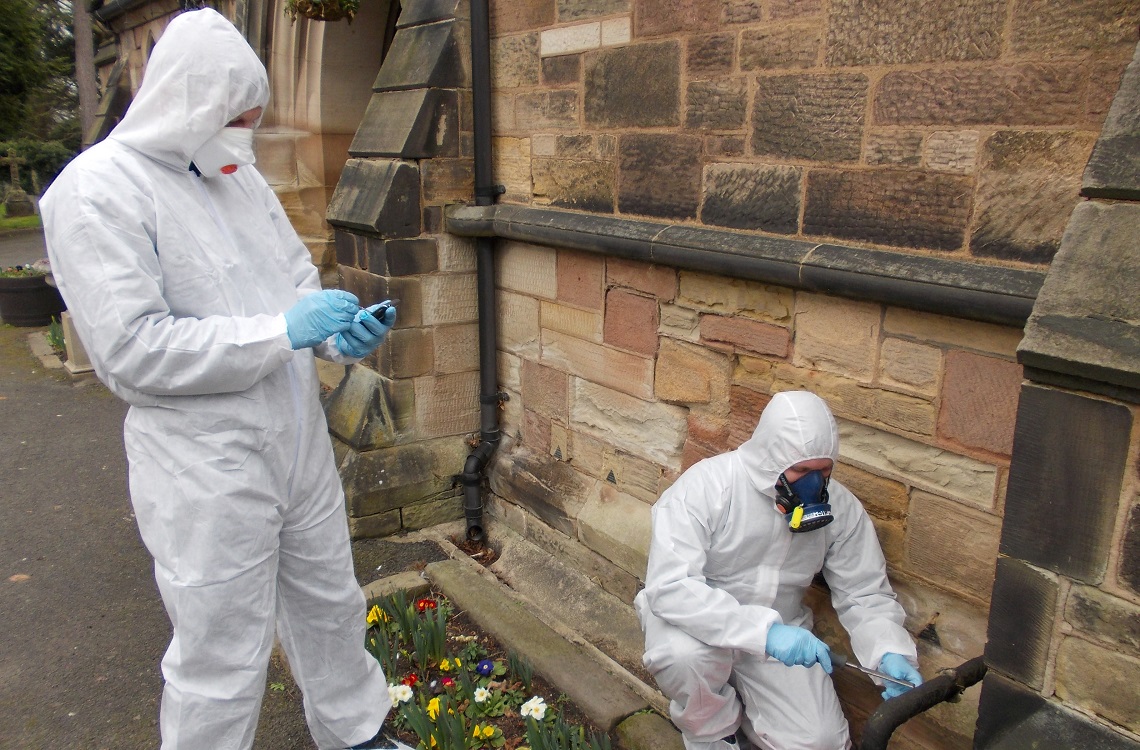
The process of asbestos testing for construction sites involves an experienced surveyor identifying areas that may contain asbestos, followed by sample collection and laboratory analysis. Once the results are in, the necessary steps can be taken to either remove the asbestos safely or implement other strategies like encapsulation. By testing for asbestos before work begins, construction companies can ensure that they are fully prepared to manage the risks associated with asbestos, protecting both workers and clients from exposure.
For property owners of older buildings, asbestos testing is just as vital. Many properties that were constructed decades ago may have asbestos-containing materials hidden within the structure. Property managers and owners may not be aware that these materials exist, but undisturbed asbestos can be dangerous over time. Even if no major renovations are planned, knowing where asbestos is located in a building helps owners make informed decisions about maintenance and repairs. In addition, conducting an asbestos test ensures compliance with local health and safety laws, particularly when the property is being sold, rented, or leased. If asbestos is discovered, property owners can take the necessary steps to remediate it or ensure it remains safe to occupy.
The benefits of asbestos testing extend beyond health and safety. For construction projects, an accurate asbestos test helps create a clear roadmap for handling any asbestos risks, allowing for better project planning and cost management. For property owners, identifying asbestos in advance can prevent costly surprises and protect the long-term value of the property. If asbestos is found, it’s often more affordable to address the issue early, before it becomes a major problem that disrupts renovations or causes health hazards.
In conclusion, asbestos testing is a critical step for construction sites and owners of older properties. By testing for asbestos before beginning any work, you ensure the safety of workers, tenants, and other stakeholders. It’s essential for meeting legal requirements, protecting health, and preventing costly delays. Whether you’re overseeing a construction project or managing an older building, ensuring that asbestos testing is part of your pre-project checklist will help safeguard your property and everyone involved. Don’t wait for an issue to arise—schedule your asbestos testing today to stay ahead of potential risks.
Replies