When and Why Crutches Are Used: A Simple Guide for Injury Recovery
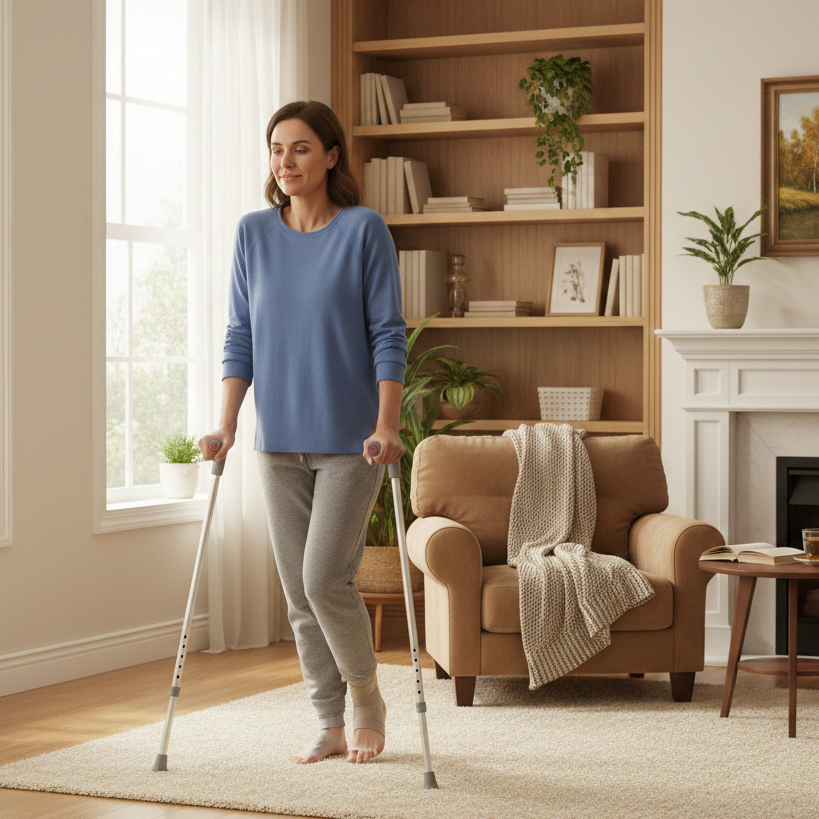
Recovering from an injury can be physically and emotionally challenging, especially when movement becomes painful or unsafe. For many people, using crutches is a temporary but essential part of healing. Crutches help reduce weight on an injured leg or foot, allowing bones, joints, and soft tissues time to recover while maintaining some independence. Understanding when crutches are needed, how to use them properly, and which type is most suitable can make recovery safer and less stressful.
This guide explains the role of crutches in injury recovery, answers common questions, and offers practical advice for everyday use.
When Are Crutches Used After an Injury?
Knowing when to use crutches after injury is often determined by a healthcare professional, but the most common situations include fractures, sprains, ligament tears, post-surgical recovery, and severe foot or ankle pain. Crutches are typically recommended when putting full weight on one leg could slow healing or worsen the injury.
Crutches allow partial or full offloading of weight, depending on medical advice. In some cases, they are used for a short period to manage pain and swelling. In others, they support longer-term recovery following surgery or significant trauma. The goal is always the same: protect the injury while allowing safe movement.
Why Crutches Support Injury Recovery
Crutches for injury recovery play an important role beyond basic mobility. They help maintain balance, prevent falls, and reduce strain on injured areas. By limiting pressure on healing tissues, crutches support proper alignment and reduce the risk of complications.
Using crutches also helps people stay active within safe limits. Being able to move around the home, attend appointments, or return to light daily tasks can positively affect both physical and mental well-being during recovery.
Types of Crutches and Their Uses
Understanding the types of crutches and their uses can help ensure comfort and safety. The most common types include:
Underarm (Axillary) Crutches
These are the most widely used and suitable for short- to medium-term recovery. They provide strong support and are commonly prescribed after leg injuries or surgeries. For taller users needing reliable support, options like steel push-button crutches designed for tall adults with higher weight capacity are often considered for stability and durability.
Forearm (Elbow) Crutches
These crutches provide more freedom of movement and are often used by individuals who need longer-term support. They require more upper body strength and balance but allow better mobility on stairs and uneven surfaces.
Pediatric Crutches
Children recovering from injuries need crutches sized for their height and strength. Lightweight designs, such as quick-adjust pediatric aluminum crutches, help ensure proper posture and safer movement during healing.
Adjustable Aluminum Crutches
Adjustable models are useful for adults of varying heights or changing needs during recovery. Quick-adjust aluminum crutches allow proper fitting, which is essential for comfort and injury prevention.
How to Use Crutches Properly
Learning how to use crutches properly reduces discomfort and lowers the risk of secondary injuries. Correct fitting is the first step. When standing upright, the top of the crutches should sit a few inches below the armpits, and handgrips should allow a slight bend in the elbows.
When walking, move the crutches forward first, followed by the injured leg, then step through with the uninjured leg. Weight should be supported by the hands and arms, not the underarms, to avoid nerve compression. Practicing controlled movements helps build confidence and stability.
Walking With Crutches Safely at Home
Walking with crutches safely requires attention to surroundings, especially indoors. Clear pathways of loose rugs, cords, or clutter that could cause slipping. Wearing supportive footwear improves balance, even when indoors.
Stairs require extra care. Going up, lead with the uninjured leg. Going down, move the crutches first, followed by the injured leg. When possible, use handrails for additional support. Taking time and avoiding rushed movements significantly reduces the risk of falls.
Common Challenges and How to Manage Them
Many people experience arm fatigue, hand soreness, or frustration when first using crutches. These issues often improve with proper adjustment and technique. Padding handgrips, taking regular breaks, and maintaining good posture can make a noticeable difference.
It is also important to listen to the body. Pain beyond expected discomfort may indicate improper use or fit. In such cases, reassessment by a healthcare professional is recommended.
Conclusion
Crutches are a simple yet powerful tool in injury recovery. By understanding when they are needed, choosing the right type, and learning safe techniques, individuals can protect their injuries while maintaining mobility and independence. Using crutches correctly supports healing, reduces risks, and helps people move through recovery with greater confidence and peace of mind.
Replies