What to Know About Physical Therapy for Neck Pain
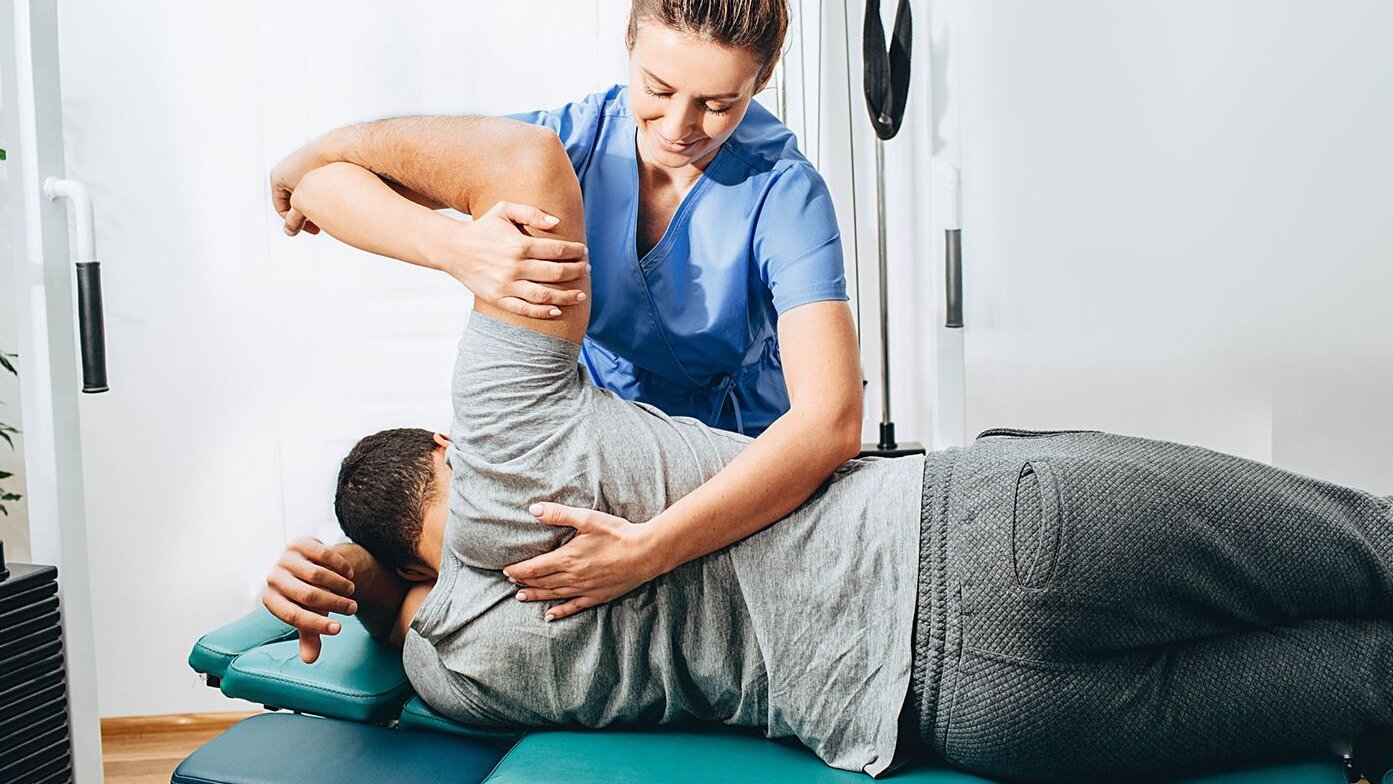
Neck pain is a serious issue that can impair your ability to perform routine tasks. It can cause you to lose your neck range of motion and may also cause pain in your shoulder, arm, or hand.
Anatomy of the Neck
The cervical spine, or neck, is made up of seven bones called vertebrae that are stacked on top of one another. The intervertebral disc is a spongy material that sits between each bone. Each vertebra has two backward joints connecting it to the vertebra below.
The bones in your neck protect your spinal cord and allow normal movement. The neck is extremely flexible, with the ability to bend forward, backward, and sideways and rotate. This allows you to look and move in a variety of directions.
Causes of Neck Pain
There are numerous causes of neck pain. For example, poor sitting posture can occasionally put your neck in an awkward position and cause pain. Other times, trauma, such as a car accident or a sports injury, can result in whiplash, a painful condition. Neck pain may also be caused by wear and tear from arthritis or disc problems.
Where Is the Pain Felt?
The pain in your neck may be felt in multiple locations, making your condition confusing and difficult to treat. Pain can also be felt directly in your neck or on one side of your neck. In addition, neck pain is frequently felt in the shoulder blade, and other types of shoulder pain may also originate in the neck.
If a nerve in your neck is irritated or pinched, you may experience pain in your arm and hand. Your arm and hand may also experience weakness, numbness, or tingling.
What to Do First
Don't be alarmed if you begin to experience neck pain. Neck pain often improves in a matter of days, and in many cases, it disappears completely within four to six weeks. When pain strikes, gentle neck exercises may be beneficial, and heat or ice may also be beneficial in controlling symptoms. If your symptoms persist, consult your doctor to see if a prescription medication will help you. Physical therapy may be recommended as well.
Treatment
Exercise
Many studies show that exercise can be your primary treatment for neck pain. Your physical therapist may recommend specific exercises to help you improve your neck's range of motion and reduce your pain. If a weakness was identified during your initial evaluation, strengthening exercises may be prescribed.
Traction
Cervical traction may be used to treat neck pain at your physical therapist's office or on the recommendation of your orthopedist or neurosurgeon. Traction is used to separate the joint surfaces in the neck, which may be useful if you suffer from neck arthritis. In addition, if you have a bulging or herniated disc, traction may help to relieve pain by giving your irritated nerves some space.
Postural Correction
If your neck pain is thought to be caused by poor sitting posture, your physical therapist may work with you to correct it. They may use a lumbar support roll to assist you in improving your sitting posture.
Joint Mobilizations
Joint mobilization techniques may be used to improve neck ROM and reduce neck pain. Neck mobilization and manipulation can be dangerous. Although these risks are uncommon, they should be discussed with your physical therapist before beginning neck spinal mobilization.
Massage
If your neck pain is caused by tight and sore muscles, your physical therapist may use massage techniques to help reduce tension and pain in these muscles.
Therapeutic Modalities
Neck pain is sometimes treated with therapeutic modalities such as ultrasound or TENS. These treatments may feel good at first, but keep in mind that you should be an active participant in your neck rehabilitation. TENS and ultrasound have also been shown to be ineffective in the treatment of neck and low back pain, so these treatments should be used sparingly, if at all.
Thermotherapy and Cryotherapy
Heat and ice are two other treatments that can be used to relax muscles and reduce inflammation. But, again, while these passive treatments may feel nice, they should not be used in place of active exercise and postural correction to treat your neck pain.
Replies