What to Know About Invisalign for Teens
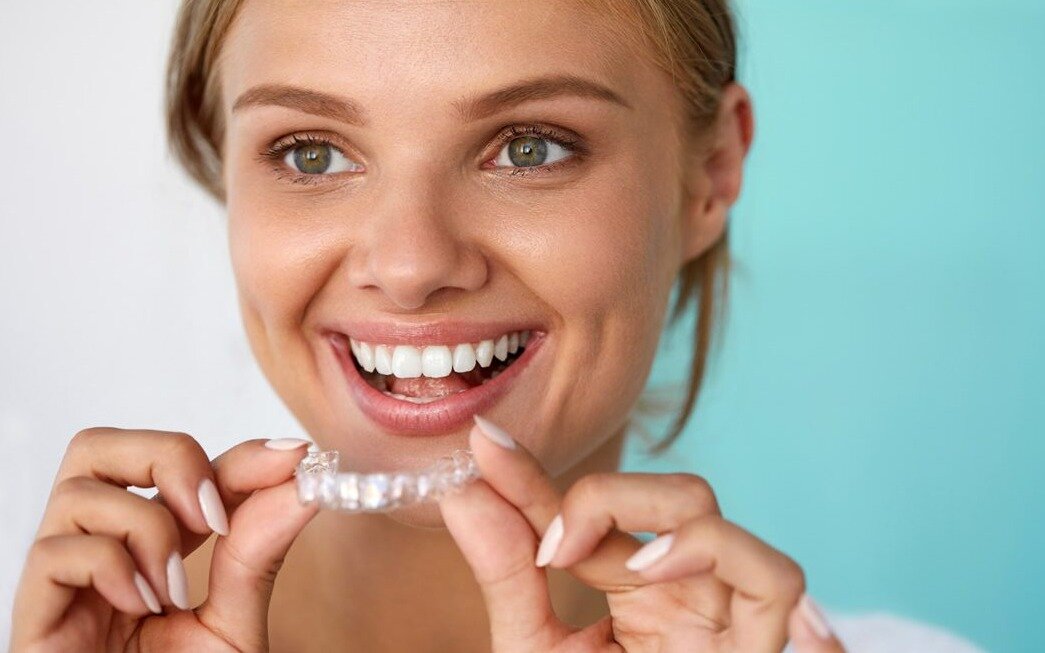
You may have anticipated that your child would require braces. Invisalign is one option. That's the brand name of a popular type of clear plastic aligner, and its parent company, Align Technology, sells its products to teenagers and younger children. ClearCorrect and Spark are two other similar brands on the market.
Is Invisalign the best orthodontic treatment for your child? It could be. Before you make a decision, learn about the advantages, disadvantages, and potential costs of Invisalign.
Benefits of Invisalign for Teenagers
Clear plastic aligners, like traditional braces with metal brackets and wires, apply pressure to teeth and help them shift into alignment. The user wears each set of aligners for a few weeks before switching to the next set. The end result should be a uniform smile. Consider some of the additional advantages of using Invisalign for your teen.
Removability
Many children find it easier to brush and floss without having to maneuver around wires and brackets. Better oral hygiene usually results in fewer cavities.
Self-confidence
Many children and teenagers become self-conscious when they have braces on their teeth. Because clear plastic aligners are less visible, your child may feel less self-conscious. This may also be beneficial to their mental health.
Less Irritating
If you've ever worn traditional braces, you might remember having sore spots inside your mouth where the brackets or wires rubbed against the inside of your lips or cheeks. Invisalign will not cause such friction and irritation.
Fewer Emergencies
There are no broken wires or cracked brackets. Invisalign has this advantage over traditional braces. You won't have to make an emergency appointment with your child's orthodontist to fix something broken.
Precautions and Drawbacks of Invisalign
Mixed Results On Effectiveness
Would it influence your decision if you knew that clear aligners have no clear advantage when it comes to orthodontic tooth movement? When evaluating the effectiveness of clear aligners, a 2015 review of 11 studies, including two randomized clinical trials, found mixed results.
Requires Compliance
If your teen is prone to noncompliance, this is something to consider. According to experts, you must wear the aligners for 20 to 22 hours at a time for them to be effective. You can take them out to eat, drink, and clean them, but you must return them afterward. They can't do their job if they're not in the mouth.
Potential for Loss
If you've just spent thousands of dollars on clear plastic aligners, you might be kicking yourself if your child takes them out for lunch and then leaves them on their lunch tray. Because aligners are removable, they have the potential to become misplaced. You should consider how responsible your teen is.
Insurance May Not Cover the Cost
Braces of any kind are not inexpensive. But, if you have dental insurance and rely on it to cover some of the costs, be warned. Invisalign may not be covered by insurance.
How Much Will Invisalign Cost for Teens?
In most markets, Invisalign costs about the same as traditional braces. According to the Consumer Guide to Dentistry, the cost ranges between $3,000 and $5,000. This can vary depending on where you live as well as the complexity and duration of your child's treatment.
Insurance frequently does not cover the cost of this type of product. However, you and your dentist may be able to work out a payment plan. You may also be able to defray some of the costs by using a flexible savings account (FSA) or a health savings account (HSA).
Other Alternatives to Traditional Braces and Invisalign
Orthodontic treatments other than braces and aligners are available. Headgear employs bands or straps that fasten around a person's head or neck to exert pressure on the jaw and teeth, causing them to move into position. You can talk to your child's orthodontist about their needs and whether they think headgear is necessary.
Headgear is no longer as widely used as it once was, but some orthodontists still recommend it to treat more severe malocclusions. It is typically used in conjunction with traditional braces.
One issue with using a headgear is compliance, or expecting children to wear it frequently enough for it to do its job.
Replies