What to Expect from Professional Venetian Plastering Courses?
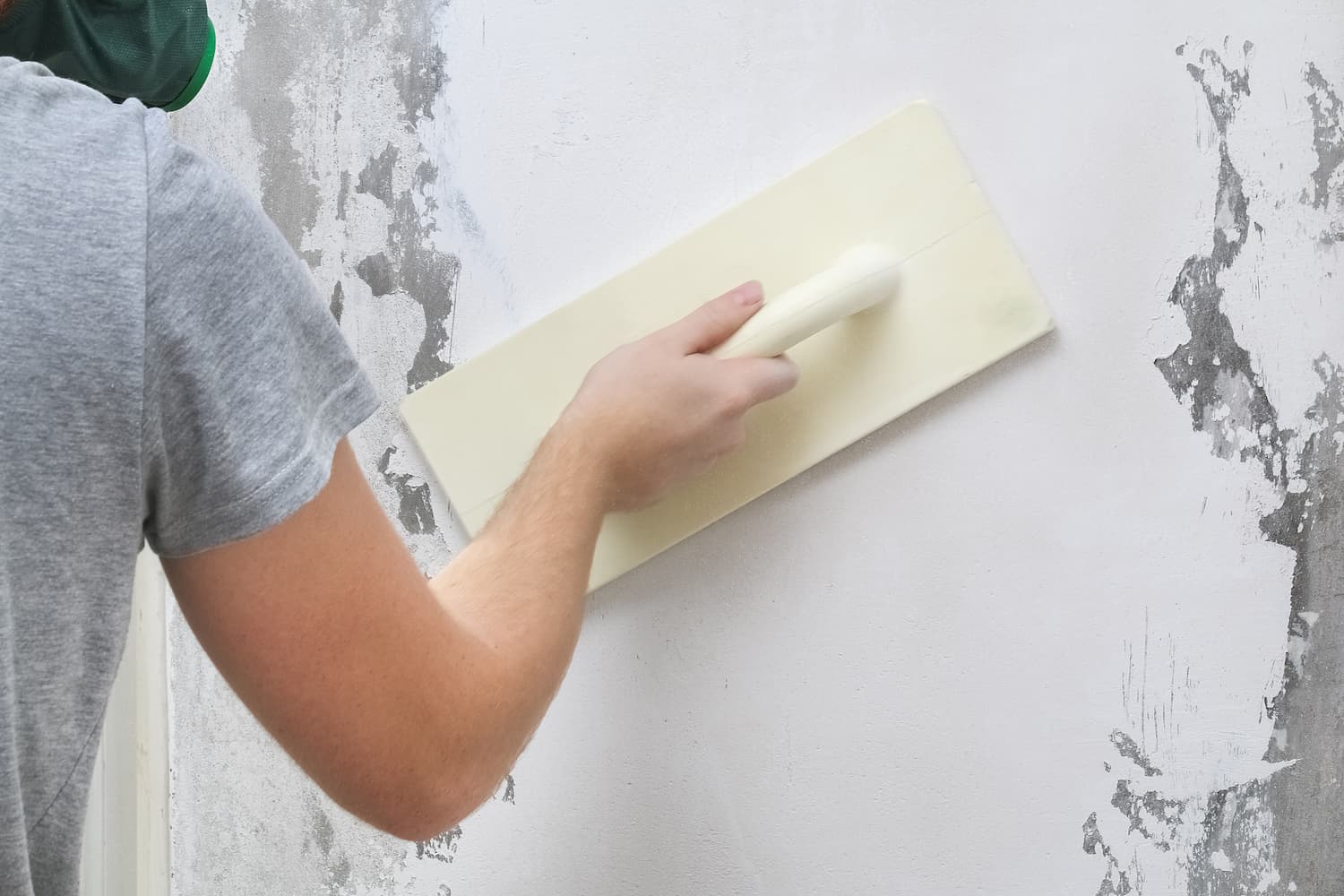
If you’re considering a career in decorative plastering or simply looking to enhance your skills, professional Venetian plastering courses can open doors to new creative and business opportunities. Venetian plastering is an ancient technique that has been modernized and refined for stunning, smooth, and highly durable wall finishes. Here’s what you can expect from a professional course in Venetian plastering, from foundational techniques to advanced finishes.
Understanding the Basics of Venetian Plastering
In a professional Venetian plastering course, one of the first things you’ll learn is the history and foundation of the craft. Venetian plaster, known as “stucco veneziano,” has its origins in ancient Italy, where it was widely used to create opulent and resilient surfaces. The material itself is a blend of limestone, marble dust, and pigments, which, when applied properly, results in a unique, glossy finish with deep color layers.
Courses often begin by explaining the different types of Venetian plaster available, such as Marmorino, Intonachino, and Grassello. Each type has its properties and textures, providing artists with a variety of options depending on the desired finish. A strong understanding of these materials and their applications is crucial before moving on to more advanced techniques.
Practical Hands-On Training
Hands-on training is one of the most valuable aspects of a Venetian plastering course. Instead of merely listening to lectures, you’ll actively work with trowels, spatulas, and other plastering tools. This practical component is designed to help you gain confidence as you learn to apply layers of plaster to achieve various textures and finishes.
During hands-on sessions, instructors will guide you through the entire process, from surface preparation to the final application and burnishing. You’ll practice on sample boards initially, allowing you to experiment with different strokes, pressures, and trowel angles. Once you’ve mastered these techniques on sample surfaces, you may move on to larger practice walls or even work on actual projects, depending on the course's scope.
Learning Advanced Techniques and Decorative Finishes
After mastering the basics, professional Venetian plastering courses typically introduce students to advanced decorative techniques. These include multi-layer applications, color blending, and adding unique finishes like metallics or pearlescents. Some courses also delve into specialized textures such as "Travertino," which replicates the look of natural travertine stone, and "Lucidato," a high-gloss finish resembling polished marble.
In this section of the course, you’ll also learn how to customize Venetian plaster finishes to match a client’s design preferences or to replicate historical designs. With these skills, you’ll be able to offer a range of high-end finishes to clients, setting you apart from standard plasterers.
Mastering Surface Preparation and Application Techniques
Proper surface preparation is critical for achieving a flawless Venetian plaster finish. Courses will emphasize the importance of prepping the wall surface to ensure the plaster adheres well and maintains its durability. You’ll learn about various primers and base coats needed to optimize plaster application on different surfaces like drywall, cement, or wood.
Application techniques are often the core focus of any Venetian plastering course. You’ll learn the classic two-coat method, where the first coat provides texture, and the second coat adds depth and shine. Advanced courses may also teach you about multi-coat methods, in which more than two layers of plaster are applied to achieve highly complex textures and color transitions.
Understanding Tools and Materials
One important aspect of Venetian plastering courses is becoming familiar with the right tools and materials. Standard tools include stainless steel trowels, burnishing spatulas, and putty knives, each of which is essential for achieving the polished look Venetian plaster is known for. You’ll also learn about different types of plaster materials, from mineral-based plasters to synthetic alternatives, each with unique application techniques.
Learning to handle these tools with finesse and knowing which materials to use in specific scenarios is crucial to mastering the art. You’ll likely experiment with a range of plasters and gain insights into when each is appropriate.
Safety and Professional Best Practices
Safety is always prioritized in professional Venetian plastering courses. Since plastering often involves chemicals and dust, you’ll learn how to work safely by wearing protective equipment and keeping your workspace ventilated. Instructors will also introduce best practices for cleaning tools and maintaining a safe, efficient work area.
Beyond safety, courses often touch on professional best practices. This may include tips for client communication, pricing your services, and marketing yourself as a skilled Venetian plasterer. Having business acumen can be just as valuable as mastering the craft itself, especially if you intend to turn Venetian plastering into a full-time career.
Course Duration and Certification
Professional Venetian plastering courses vary in length and intensity. Some are structured as one-day workshops for beginners, while others are multi-week programs for those looking to develop expertise. Many courses offer certifications upon completion, which can be a valuable credential when seeking clients or working with contractors.
Conclusion
Venetian plastering is a skillful art that requires patience, practice, and the right training. A professional course can provide the knowledge and hands-on experience needed to produce high-quality, decorative finishes that clients will love. From mastering the basics of surface preparation to learning advanced techniques, these courses open doors to an exciting career in decorative finishes and give you the confidence to bring elegance and sophistication to any space.
Replies