What to Expect from Laser Hair Removal?
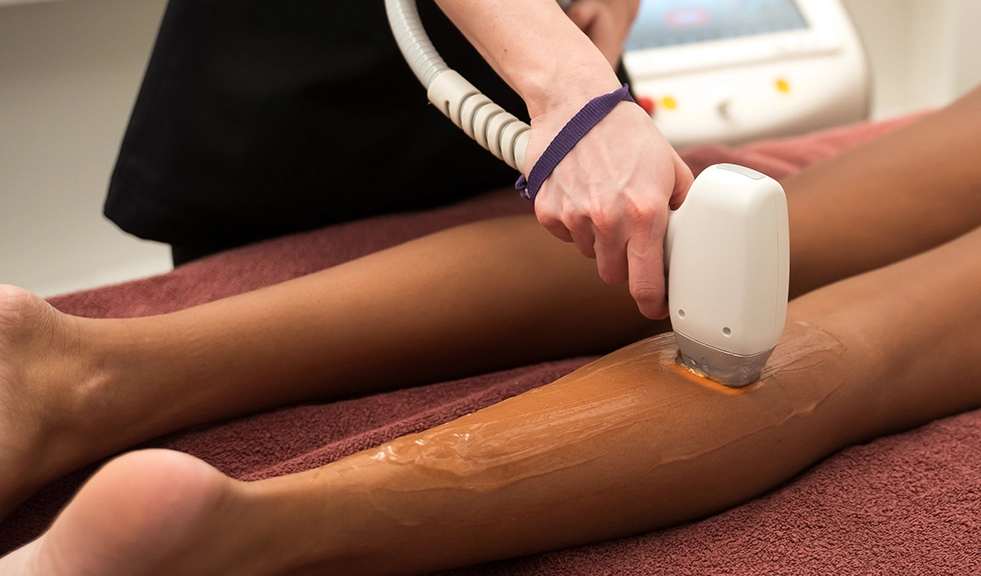
The pursuit of smooth, hair-free skin has evolved significantly with the advent of advanced light-based technologies. For residents seeking Laser Hair Removal in Abu Dhabi, understanding the transition from traditional methods like waxing or shaving to modern clinical solutions is the first step toward achieving long-term results. This guide explores the science, preparation, and expectations associated with this transformative skin treatment, providing a roadmap for those ready to simplify their grooming routines.
The Science Behind Light-Based Hair Reduction
The fundamental principle of this treatment is selective photothermolysis. This process involves a concentrated beam of light that targets the pigment (melanin) located within the hair follicles.
How the Process Works
When the laser light is absorbed by the melanin, it converts into thermal energy. This heat precisely damages the follicle's ability to produce new hair without harming the surrounding skin tissue.
The Role of Hair Growth Cycles
Hair grows in three distinct stages: anagen (active growth), catagen (transitional), and telogen (resting). The technology is most effective during the anagen phase, which is why a series of sessions is necessary to capture every follicle in its active state.
Key Takeaways
Uses light energy to target melanin in the hair root.
Converts light to heat to disable future hair production.
Requires multiple sessions to account for different growth cycles.
Choosing the Right Technology for Your Skin Type
Modern aesthetic medicine has introduced various laser systems to ensure safety and efficacy across diverse skin tones and hair textures.
Alexandrite and Diode Systems
The Alexandrite system is often preferred for those with lighter skin tones and finer hair, known for its high absorption rate. Conversely, the Diode system offers a versatile wavelength that works efficiently on a broader range of skin types.
Nd:YAG for Deeper Pigmentation
The Nd:YAG laser is the gold standard for individuals with darker skin tones. Its longer wavelength bypasses the melanin in the skin's surface, focusing exclusively on the deep-seated hair bulb to prevent surface-level irritation.
Informative Insights
Alexandrite is effective for fair skin and light-colored hair.
Diode technology offers a balanced approach for medium skin tones.
Nd:YAG provides the safest profile for deeply pigmented or tanned skin.
Preparing for Your First Session
Proper preparation is vital to ensure the skin responds optimally to the light energy and to maintain skin health throughout the process.
Shaving and Surface Care
Unlike waxing, which requires hair to be long enough to pull, laser treatments require the area to be freshly shaved. This ensures the energy travels directly to the root rather than being wasted on hair above the surface.
Avoiding Root Disturbance
It is essential to stop plucking, waxing, or using epilators several weeks before an appointment. These methods remove the follicle entirely, leaving no "target" for the laser to detect.
Summary Checklist
Shave the target area 24 hours before the appointment.
Avoid plucking or waxing for at least four weeks prior.
Keep the skin clean and free of lotions or deodorants on the day of treatment.
Managing Sun Exposure in the UAE Climate
In regions with high UV intensity, sun protection becomes the most critical factor in a successful treatment journey.
Pre-Treatment Sun Shielding
Exposure to the sun increases melanin production in the skin (tanning), which can confuse the laser's targeting system. Specialists recommend avoiding direct sunlight and tanning beds for at least two weeks before a session.
The Importance of High SPF
Applying a broad-spectrum sunscreen of SPF 30 or higher is non-negotiable. This protects the skin barrier and ensures it remains in its natural state, allowing for the highest safety margins during the procedure.
Essential Points
Avoid tanning or prolonged sun exposure two weeks before your session.
Use broad-spectrum SPF daily to protect the treated area.
Cover sensitive areas with protective clothing when outdoors.
What to Expect During the Procedure
Many people feel a mix of excitement and nervousness before their first appointment. Understanding the step-by-step experience can help set realistic expectations.
Initial Consultation and Patch Test
The journey typically begins with a detailed assessment of skin type and hair density. A patch test is often performed to determine the optimal energy settings and observe how the skin reacts.
Sensations During Treatment
Modern devices are equipped with integrated cooling systems that blow cold air or use a chilled tip to soothe the skin instantly. Most users describe the sensation as a quick "snap" or a warm prickle that subsides immediately.
Procedure Overview
The skin is cleansed and marked into sections.
Protective eyewear is provided to both the technician and the client.
Integrated cooling technology enhances comfort throughout the session.
Immediate Post-Treatment Care
Following the session, the skin may appear slightly pink or feel warm, similar to a very mild sunburn. This is a natural sign that the follicles have absorbed the energy.
Cooling and Hydration
Applying pure aloe vera gel or a gentle, fragrance-free moisturizer helps to calm the skin and restore its hydration levels. Cool compresses can also be used to provide immediate relief.
Activities to Avoid
For the first 24 to 48 hours, it is advisable to avoid heat-inducing activities. This includes hot showers, saunas, steam rooms, and intense physical exercise that causes excessive sweating.
Post-Care Guidelines
Apply soothing agents like aloe vera to calm the skin.
Avoid hot water and strenuous exercise for 48 hours.
Wear loose, breathable clothing to prevent friction.
The Journey to Long-Term Smoothness
Consistency is the secret to achieving the best possible results. Skipping sessions can allow follicles to return to the resting phase, extending the overall timeline.
Scheduling Your Appointments
Most areas require sessions spaced between 4 to 8 weeks apart. Facial hair typically requires more frequent visits, while body hair on the legs or back may allow for longer intervals.
Observing Hair Shedding
You will not see immediate hair loss. Instead, over the following two weeks, the treated hairs will begin to "shed" from the follicles. These can be gently exfoliated away during a shower.
Long-Term Expectations
Follow the recommended schedule provided by your specialist.
Hair sheds naturally over 10 to 14 days post-treatment.
Subsequent growth becomes noticeably finer and lighter.
Reference Clinic: Enfield Royal Clinic Abu Dhabi
For those researching high-standard facilities, Enfield Royal Clinic Abu Dhabi serves as a notable reference point for professional aesthetic care. Such institutions typically utilize medical-grade technology and follow rigorous safety protocols to ensure that every individual receives a customized experience tailored to their unique skin and hair profile.
Common Questions About the Procedure
1. Is the treatment effective on all hair colors?
The technology is most effective on hair that contains pigment, such as black, brown, or dark blonde. It is generally less effective on white, grey, or very light red hair because these lack sufficient melanin for the laser to target.
2. Can I use makeup after a facial session?
It is recommended to wait at least 24 hours before applying makeup to ensure the pores remain clear and the skin has time to settle. If you must wear makeup, opt for mineral-based products that are non-comedogenic.
3. How many sessions are typically required?
While individual results vary based on hormonal factors and hair density, most people achieve significant hair reduction after 6 to 8 sessions. Maintenance sessions once or twice a year may be suggested to keep the skin perfectly smooth.
4. Can I shave between my scheduled sessions?
Yes, shaving is the only recommended method of hair removal between sessions. You should continue to avoid waxing, plucking, or threading, as these will interfere with the next scheduled treatment by removing the hair root.
Replies