What Should You Expect When Hiking the Kumano Kodo Trail in 2026?
Planning a pilgrimage to Japan's ancient spiritual heart? This comprehensive guide outlines what you will experience on the trail, from booking requirements to gear essentials.
Hiking the Kumano Kodo in 2026 offers a deeply spiritual journey through mist-shrouded mountains, ancient cedar forests, and historic shrines. Hikers can expect well-preserved stone paths, challenging mountain terrain, traditional ryokan stays, and authentic hot spring experiences across Japan’s Kii Peninsula.
Whether you choose a multi-day trek or a short day hike, preparing for logistics and seasonal weather changes ensures a smooth pilgrimage experience.
What Is the Kumano Kodo Trail?
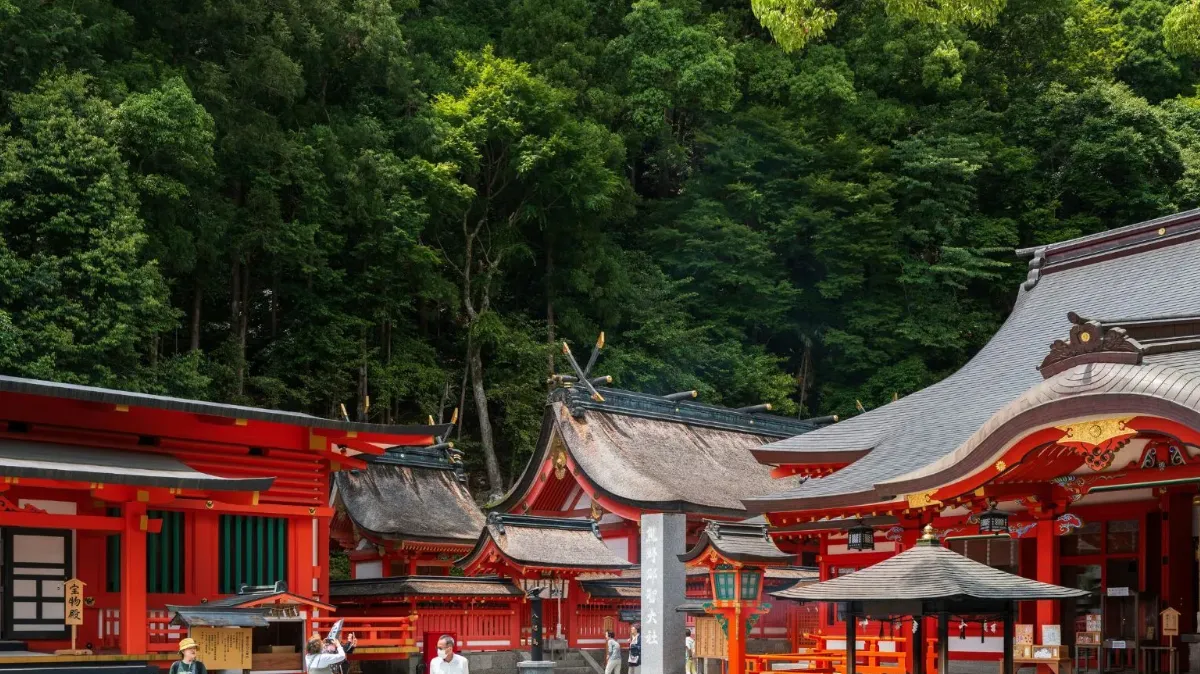
What is the Kumano Kodo Trail?
The Kumano Kodo Trail is a network of ancient pilgrimage routes in Japan's Kii Peninsula. Registered as a UNESCO World Heritage site, these sacred paths have been walked for over a thousand years, connecting various spiritual sites to the three grand shrines of Kumano.
Why Is the Kumano Kodo Trail Important?
The trail holds profound historical and cultural significance as a living monument of Japanese spiritual syncretism, where Shintoism and Buddhism blend harmoniously. Unlike many historical sites that are preserved as static museums, this trail remains an active, evolving path of pilgrimage and self-reflection.
It is also one of only two pilgrimage routes in the world designated as UNESCO World Heritage sites—the other being the Camino de Santiago in Spain. Completing both grants hikers the honorary title of "Dual Pilgrim," a community that continues to grow rapidly in 2026.
How Does the Kumano Kodo Trail Work?
The trail functions as a choose-your-own-adventure network of routes across varying terrains. You collect stamps in a special pilgrim passport along the way to track your progress.
The four primary routes cater to different levels of hiking experience:
- Nakahechi (The Imperial Route): The most popular and accessible route, featuring clear English signage, reliable public transit connections, and abundant traditional lodging.
- Kohechi (The Mountain Route): A challenging trek that cuts north to south across rugged mountain passes, best reserved for experienced hikers.
- Iseji (The Coastal Route): A scenic path running along the eastern coast of the peninsula, combining ocean views with bamboo forests and stone paths.
- Ohechi (The Southern Coastal Route): A historic path offering beautiful coastal vistas, currently seeing ongoing preservation and map updates.
What Are the Benefits of Hiking the Kumano Kodo?
- Spiritual Refreshment: Time spent away from hyper-connected cities among ancient moss-covered trees encourages deep mindfulness.
- Cultural Immersion: Staying at local minshuku (family-run guesthouses) allows you to enjoy authentic home-cooked regional meals.
- Physical Challenge: Navigating steep mountain passes builds endurance while rewarding you with stunning valley views.
- The Onsen Culture: Ending your daily hike in a natural thermal hot spring helps soothe tired muscles instantly.
What Are the Common Mistakes People Make?
- Underestimating the Terrain: Many sections feature steep, continuous elevation gains over uneven, wet stone steps.
- Skipping Advance Bookings: In 2026, trail popularity remains exceptionally high. Showing up without accommodation reservations often means having no place to sleep, as wild camping is strictly prohibited.
- Arriving with Too Much Luggage: Hauling large suitcases over mountain passes is exhausting. Use local luggage shuttle services instead.
- Ignoring Transit Timetables: Mountain buses run on strict, infrequent schedules. Missing the final bus of the afternoon can leave you stranded.
How Can Beginners Get Started?
If you are new to multi-day trekking, following a structured preparation timeline makes the experience much more manageable.
1.Choose Your Route:4-6 Months Out.
Select the Nakahechi route for your first trip. It offers the best infrastructure, clear signage, and frequent support services.
2.Secure Accommodations:3-5 Months Out.
Book your guesthouses early through the official Kumano Travel community reservation system. Spots fill up fast.
3.Begin Physical Training:2 Months Out.
Incorporate regular stair-climbing and trail walks into your weekly routine while wearing your loaded backpack to build stamina.
4.Pack Strategic Gear:1 Month Out.
Gather moisture-wicking layers, broken-in trekking shoes, sturdy hiking poles, and reliable waterproof rain gear.
Expert Tips for Better Results
- Carry Cash: Many small mountain villages do not accept credit cards or digital payments for snacks, drinks, or bus fares.
- Use Two Trekking Poles: The ancient stone steps can become incredibly slick when wet. Dual poles drastically reduce the impact on your knees during descents.
- Pack an Emergency Poncho: Mountain weather shifts rapidly. Keep a lightweight waterproof layer easily accessible at the top of your pack.
Real-World Scenario: A Standard Day on the Nakahechi Route
To help visualize the journey, let's look at a common mid-route itinerary connecting two popular overnight stops.
Daily Milestone | Estimated Timing | Key Highlights |
Takajiri-oji to Tsugizakura-oji | 5–7 hours | Steep initial climb, quiet forest paths, historic shrines |
Tsugizakura-oji to Kumano Hongu Taisha | 7–8 hours | Isolated mountain ridges, panoramic views, descent to the main shrine |
Frequently Asked Questions
Do I need a guide to hike the Kumano Kodo?
No, a guide is not required. The main routes like the Nakahechi are exceptionally well-marked with frequent trail signs and distance markers in both Japanese and English.
When is the best time of year to hike the trail?
Spring (October–November) and Autumn (April–May) provide the most comfortable hiking temperatures and beautiful seasonal foliage, though these windows see the highest trail traffic.
Can I complete the trail if I have dietary restrictions?
Yes, but you must notify your accommodations well in advance. Traditional mountain guesthouses source ingredients locally, so communicating dietary needs during your booking process is essential.
Is there mobile phone service along the route?
Cellular coverage is generally reliable along most ridge lines and inside villages, though connection can drop periodically deep within valleys or dense forest sections.
What should I do with my main luggage while hiking?
You can use local daily luggage shuttle services that transport your bags directly from your morning checkout point to your next evening's guesthouse.
Conclusion
Hiking the Kumano Kodo Trail in 2026 offers an unforgettable blend of physical challenge, rich history, and deep cultural immersion. By selecting the right route for your fitness level, booking your traditional lodgings early, and respecting the local customs, you will set yourself up for a meaningful pilgrimage. Start planning your itinerary today to experience one of the world's most spectacular historic paths.
Replies