What Should You Avoid After Laser Carbon Peel Treatment?
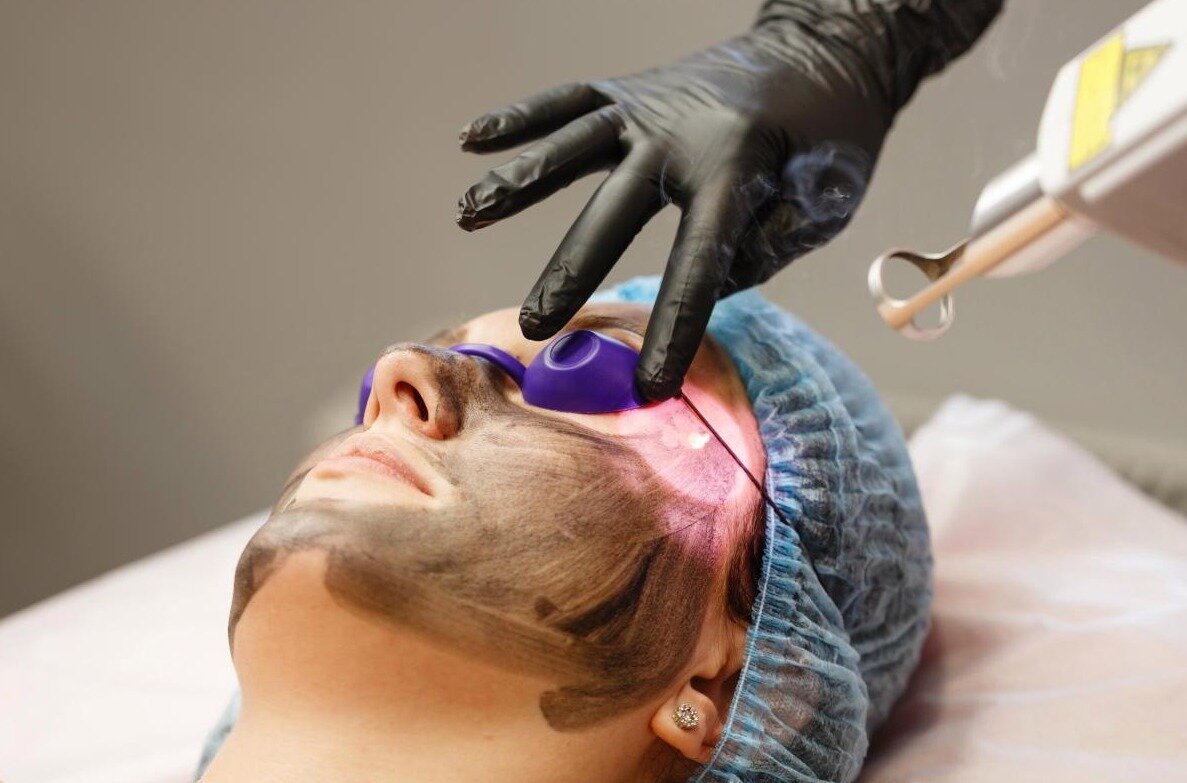
Laser Carbon Peel, also known as the "Hollywood Peel," is a popular non-invasive skincare procedure designed to rejuvenate the skin, reduce pore size, and improve overall skin texture. Using a carbon-based solution combined with laser technology, this treatment targets deep-seated impurities, excess oil, and dead skin cells, leaving the skin refreshed and radiant. It is favored for its quick results, minimal downtime, and ability to address various skin concerns such as acne, pigmentation, and dullness. As with any skincare procedure, understanding post-treatment care is crucial for achieving optimal results and maintaining skin health.
Importance of Post-Treatment Care in Laser Carbon Peel Procedures
Proper post-treatment care plays a vital role in ensuring the effectiveness of the Carbon Peel in Abu Dhabi. The skin, after the procedure, is more sensitive and vulnerable to external factors that could hinder healing or lead to adverse reactions. Following the recommended guidelines helps in reducing the risk of irritation, inflammation, or pigmentation changes. It also accelerates skin recovery, enhances the longevity of the results, and maintains the skin’s glow. Therefore, knowing what to avoid after a laser carbon peel is essential to optimize the benefits of the treatment.
What Should You Avoid After Laser Carbon Peel Treatment?
1. Direct Sun Exposure
One of the most critical precautions is avoiding direct exposure to sunlight immediately after the procedure. UV rays can aggravate the skin's sensitivity, leading to hyperpigmentation or sunburn. It’s advisable to stay indoors or wear a broad-spectrum sunscreen if outdoor activities are unavoidable. Consistent sun protection shields the skin from damage and helps preserve the results of the peel.
2. Using Harsh Skincare Products
Post-peel skin is delicate and prone to irritation. Avoid using harsh skincare products such as exfoliants, scrubs, or products containing strong active ingredients like retinoids, alpha hydroxy acids (AHAs), or beta hydroxy acids (BHAs). These can cause excessive dryness, redness, or peeling, counteracting the benefits of the treatment and irritating the skin.
3. Applying Makeup or Heavy Cosmetics
It’s recommended to refrain from applying makeup or heavy cosmetics immediately after the procedure. The skin needs time to recover and breathe. Makeup can clog pores and introduce bacteria, increasing the risk of breakouts or infections. If makeup is necessary, opt for non-comedogenic, gentle products and ensure thorough cleansing before application.
4. Excessive Sweating and Physical Activities
Engaging in strenuous exercise or activities that induce sweating should be avoided for at least 24-48 hours post-treatment. Sweat can irritate the sensitive skin, cause breakouts, or lead to infection. Gentle activities like walking are acceptable, but it’s best to rest and allow the skin to heal undisturbed.
5. Hot Water and Sauna Use
Hot water, saunas, or steam rooms can increase skin sensitivity and cause excessive dryness or irritation. Hot water strips natural oils from the skin, disrupting the healing process. It’s advisable to use lukewarm water for cleansing and avoid steam-based treatments until the skin has fully recovered.
6. Touching or Scratching the Skin
Post-treatment, the skin might feel tight, dry, or slightly itchy. However, touching, scratching, or picking at the skin can introduce bacteria, cause scarring, or lead to pigmentation issues. It’s important to resist the urge to manipulate the skin and allow it to heal naturally.
7. Alcohol and Smoking
Consuming alcohol and smoking can impair the skin’s healing process by reducing blood flow and oxygen supply to the skin cells. These habits can also increase inflammation and slow down recovery, diminishing the overall effectiveness of the treatment.
8. Environmental Pollutants
Exposure to environmental pollutants such as dust, smoke, or harsh weather conditions can irritate the freshly treated skin. Protecting the skin by wearing protective clothing or masks when necessary helps in minimizing exposure and preventing adverse reactions.
Additional Tips for Post-Carbon Peel Care
- Keep the skin moisturized with gentle, hydrating products recommended by skincare professionals.
- Follow the prescribed skincare routine diligently to support skin healing.
- Stay well-hydrated by drinking plenty of water.
- Use a broad-spectrum sunscreen with high SPF whenever stepping outdoors.
- Schedule follow-up appointments to monitor skin progress and receive professional advice.
Conclusion: Ensuring Optimal Results Through Proper Aftercare
Understanding what to avoid after a laser carbon peel is fundamental to maximizing the treatment’s benefits and sustaining long-term skin health. By steering clear of sun exposure, harsh products, excessive physical activity, and environmental pollutants, you create a conducive environment for your skin to recover and glow. Consistent post-care practices, combined with professional guidance, ensure that your skin remains smooth, radiant, and youthful for an extended period.
Frequently Asked Questions (FAQs)
Q1: How long should I avoid sun exposure after a Carbon Peel in Abu Dhabi?
It is recommended to avoid direct sun exposure for at least 48-72 hours post-treatment and to continue using high-SPF sunscreen whenever outside to protect sensitive skin.
Q2: Can I use exfoliating products after the peel?
No, it’s best to avoid exfoliating products or treatments for at least a week following the procedure to prevent irritation and allow your skin to heal properly.
Q3: Is it safe to wear makeup immediately after the Carbon Peel?
It’s advisable to wait at least 24 hours before applying makeup, ensuring the skin has started recovering, and always using non-comedogenic products to prevent clogging pores.
Q4: How soon can I return to my regular skincare routine after the treatment?
Most skincare routines can be resumed after the initial healing period, typically within a few days to a week, but it’s best to follow your skincare professional’s specific advice for your skin type and condition.
Replies