What Should I Do If My Filling Falls Out?
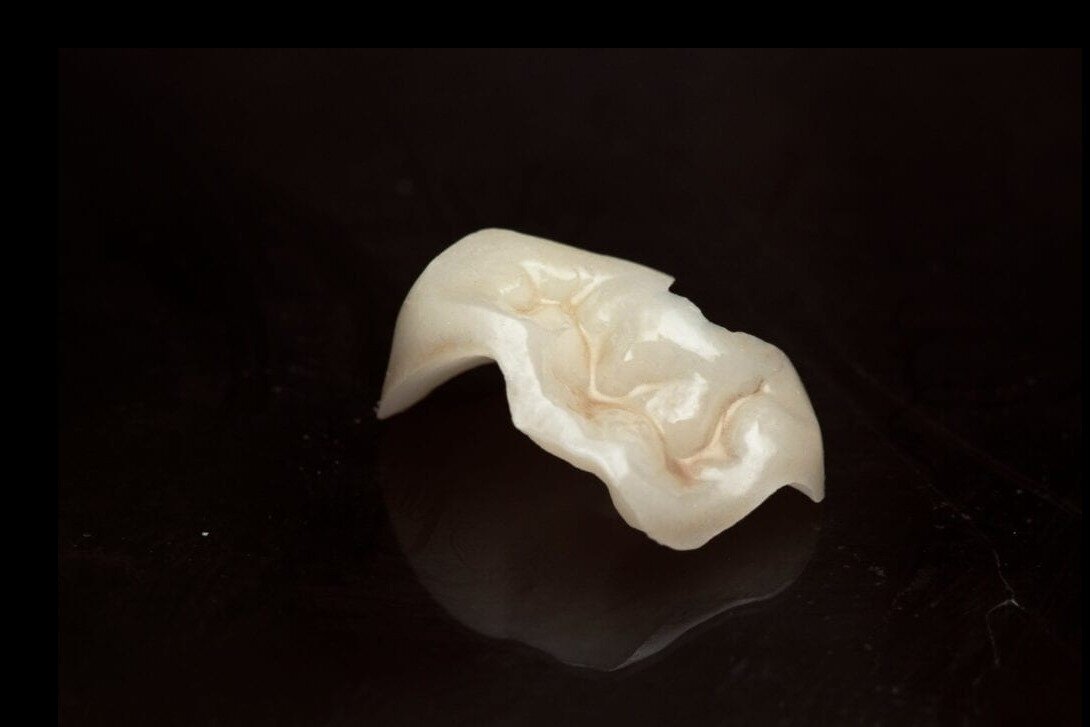
It might be a frightening experience to learn that a filling has fallen out. However, it is not unusual, as tooth fillings do not endure forever. If one falls out unexpectedly, it will need to be replaced. Here is an explanation of why this happens and what you should do if it happens to you.
Why Do Fillings Fall Out?
A filling can be loosened in a variety of ways, although this does not always result in it falling out of the tooth. Though, it's common for the filler material to chip off after its service life is up.
For example, if you do not follow your home dental care routine (brushing and flossing at least twice a day), any tooth can develop periodontal disease, weakening it. However, dentin degradation can cause a filling to fall out prematurely, which can be a serious issue.
You may lose a filling simply because it has gotten old and has become loose due to your chewing activities, causing it to fall out. Another reason a filling may fall out is due to oral trauma that damages the tooth.
In any case, to avoid losing a filling, you must visit the dentist regularly and monitor its condition.
Signs That a Filling Is About to Fall Out
- Discomfort
Pain, discomfort, a sense of fullness, or increased sensitivity to cold and hot foods in the filled tooth. - Appearance of cracks or bite issues
When the tongue touches the filling, it becomes unstable and wobbles. - The feeling of a "high point"
A protrusion has formed on the filled tooth, interfering with the jaw's correct closure. - Splitting of the filling material
During meals, you feel yourself grinding on microscopic particles that resemble sand.
My Filling Fell Out – How Long Can I Wait?
Your dentist may be able to squeeze you into their busy schedule later that day, as many dental clinics arrange time for emergency dental treatments. However, you may have to wait a few days before a dentist can examine your teeth.
If this applies to your circumstance, you will need to take certain steps to avoid future issues. The first approach is to avoid foods that may cause more tooth damage. Chewing on the opposite side of your mouth may provide a rapid solution.
Changing your diet slightly will help by including softer meals and eliminating sugary goods, particularly soft drinks, which will hasten the development of dental decay. Also, carefully brush the tooth, brushing softly into the hole where the filling was placed, to remove any food particles.
Part Of My Tooth Broke Off. What Should I Do?
The first step is to remove all fragments of the filling from your mouth. You don't want to accidentally ingest or inhale any of the fractured fillings. Do not throw away the broken filler. Then call your dentist to set up an appointment.
As previously said, you may be able to visit later in the day or early the following day. Ask your dentist if you can keep the fractured filling. Sometimes a dentist will want to evaluate the broken filling before replacing it.
Will Losing A Filling Cause Any Pain?
You should not feel much pain unless your dentine tubules are exposed. These are the sensors that tell your brain to respond to pain. You can use a temporary filling material to cover the hole in your tooth and use over-the-counter pain medication.
So What Should I Do If My Filling Falls Out?
So, if you have your tooth filling fallen out, you may try to find professional dental help by searching “tooth fillings near me”. The dentist will be able to treat your tooth with another filling if you do not cause further damage to it and maintain appropriate oral hygiene. If the loose filling was caused by tooth injury, your dentist can advise you on the best course of action.
Replies