What Results from PRP Hair Treatment?
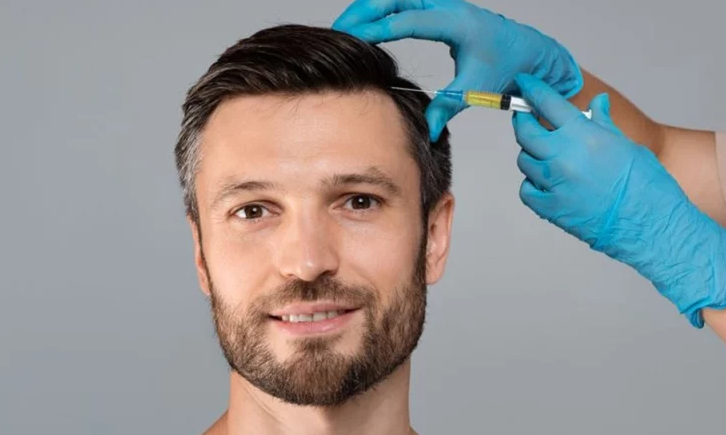
Platelet-Rich Plasma (PRP) therapy has emerged as a cornerstone in the field of regenerative medicine, particularly for individuals seeking non-surgical solutions for hair thinning. By leveraging the body’s own natural healing mechanisms, this procedure targets the scalp at a cellular level to encourage rejuvenation. When considering PRP Hair Treatment in Abu Dhabi, many individuals look for a natural way to enhance their hair density without the need for invasive surgical interventions. This treatment involves concentrating the healing components of the patient's own blood to stimulate dormant follicles.
The Biological Mechanism of Platelet-Rich Plasma
The efficacy of this therapy lies in the high concentration of platelets, which are essential components of the blood known for their role in clotting and tissue repair. These platelets contain specialized proteins called growth factors, including Vascular Endothelial Growth Factor (VEGF) and Platelet-Derived Growth Factor (PDGF).
Stimulating the Hair Follicle
When these concentrated platelets are introduced into the scalp, they release growth factors that act as biological signals. These signals communicate with the stem cells located in the bulge area of the hair follicle. This interaction helps to shift follicles from a resting phase (telogen) back into an active growth phase (anagen), essentially "waking up" follicles that have become sluggish or inactive over time.
Enhancing Scalp Microcirculation
Beyond direct follicle stimulation, the therapy promotes "angiogenesis," which is the formation of new blood vessels. By improving the microcirculation around the hair roots, the scalp receives a more consistent supply of oxygen and essential nutrients. This enriched environment is vital for maintaining the health of existing hair and supporting the development of new, stronger strands.
Expected Results and Timeline of Improvement
One of the most important aspects of undergoing regenerative therapy is managing expectations regarding the timeline. Unlike topical solutions that may show temporary cosmetic changes, this biological approach works in tandem with the natural hair growth cycle.
Phase 1: The First Three Months
During the initial weeks following the first few sessions, the primary goal is stabilization. Many individuals report a significant reduction in hair shedding. This "shedding control" is often the first clinical sign that the follicles are responding to the growth factors. While visible regrowth may not be apparent yet, the internal health of the scalp is being optimized.
Phase 2: Three to Six Months
This period is typically when the most noticeable changes occur. As the follicles transition into the active growth phase, new "baby hairs" may begin to appear along the hairline or in areas of thinning. Existing hair shafts often become thicker and more resilient, leading to an overall improvement in hair texture and volume.
Phase 3: Six to Twelve Months
The peak results of a standard treatment series are usually observed toward the end of the first year. During this time, the cumulative effect of multiple sessions leads to increased hair density and better scalp coverage. The hair appears fuller, and the quality of the strands is significantly improved compared to the pre-treatment state.
Ideal Candidates for Regenerative Hair Therapy
While this therapy is highly versatile, it is particularly effective for certain types of hair concerns. It is widely used by both men and women who are experiencing the early to middle stages of hair thinning.
Addressing Early-Stage Thinning
The therapy is most successful when the hair follicles are still active. For individuals noticing a widening part or a slight recession of the hairline, the growth factors can provide the necessary boost to reverse miniaturization. Miniaturization is the process where hair follicles shrink over time, producing thinner and shorter hairs until they eventually stop producing hair altogether.
Support for Post-Transplant Recovery
In many cases, this procedure is used as a supportive measure for those who have undergone hair restoration surgery. It can help enhance the survival rate of newly implanted grafts and accelerate the healing of the donor and recipient areas. Reference clinics like Enfield Royal Clinic Abu Dhabi often emphasize the importance of scalp health in achieving the best possible outcome for any hair restoration journey.
Long-Term Maintenance and Sustainability
Because hair loss—especially when related to genetics or hormonal changes—is a progressive condition, maintaining the results of regenerative therapy requires a consistent approach.
The Importance of Follow-up Sessions
After completing an initial series of sessions, periodic maintenance is recommended. These "booster" sessions, usually performed once or twice a year, ensure that the follicles continue to receive the growth factors necessary to stay in the active growth phase. This prevents the follicles from reverting to a dormant state.
Holistic Scalp Health
To maximize the longevity of the results, it is beneficial to maintain a healthy lifestyle. Factors such as a nutrient-rich diet, stress management, and proper scalp hygiene play a supportive role. When the body is in a healthy state, it can better utilize the biological signals provided by the treatment to maintain robust hair growth.
Frequently Asked Questions
How soon will I notice a change in my hair density?
Most people begin to see a reduction in hair fall within the first two months. Visible improvements in thickness and the appearance of new hair typically become evident between the third and sixth month of the treatment plan.
Is this treatment suitable for all types of hair loss?
It is most effective for androgenetic alopecia (pattern baldness) and thinning caused by stress or hormonal shifts. It is less effective for areas that are completely bald, as it requires functioning—albeit weak—hair follicles to produce results.
Can I return to my daily routine immediately?
Yes, one of the primary advantages of this non-surgical approach is that there is no downtime. Most individuals return to their work and social activities immediately following the session, making it a convenient option for those with busy schedules.
How many sessions are typically required?
While individual needs vary, a standard protocol often involves an initial series of three to four sessions, spaced approximately four to six weeks apart. Following this, maintenance sessions are scheduled based on the individual's response and hair goals.
Replies