What Is the Dental Implant Procedure?
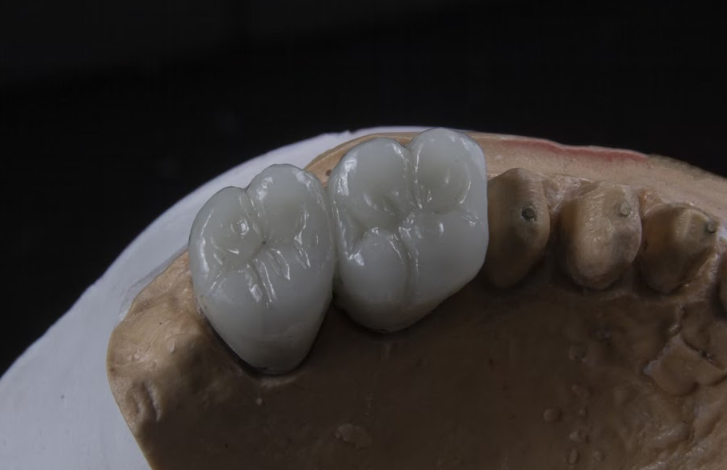
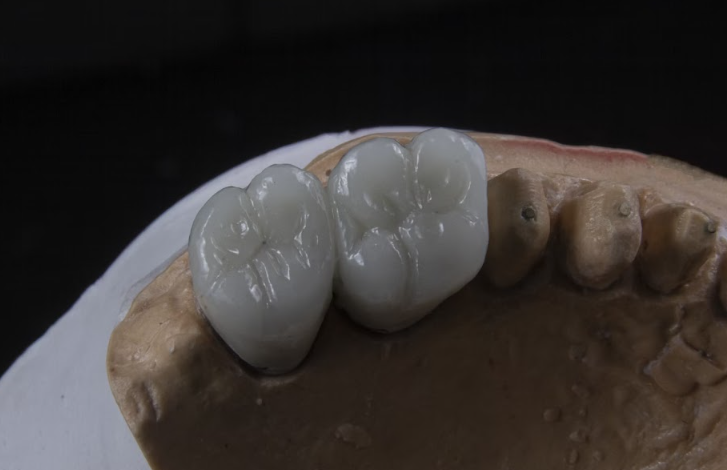
The dental implant treatment might take anything from a single clinic visit to two years. It all depends on how complicated your oral problems are. The most prevalent reasons for extending the dental implant timetable are bone grafting and tooth removals. Let’s go through all the stages of the tooth implant process.
Initial Consultation
During your initial appointment, you will most likely require an x-ray, a CT scan, and dental impressions. You may also need to consult some specialists, such as:
- General dentist;
- Ear, nose, and throat specialist (ENT);
- Dental surgeon;
- Orthodontist;
- Periodontist;
- Prosthodontist.
If you smoke, you will need to cease for the length of the tooth implant procedure.
Your doctor will decide if you require a bone transplant to fit your dental implant. If you do, they'll explain what to expect throughout the operation and how it will affect your dental implant phases. They'll also talk about the cost of bone grafting, tooth extraction, and dental implants, provide you a breakdown of your dental implant costs as well as a dental implant procedure timetable that's personalized to your specific needs. Your dentist will also review the stage 2 dental implant surgery process with you, explaining both the benefits and risks of the treatment.
Although bone grafts and tooth extractions are the most typical treatments performed prior to a dental implant, not everyone requires either. If your jawbone is strong enough to support the implant, you should not require a graft. If the tooth is gone at the implant site, you will not require an extraction. If there is a damaged tooth on the spot, you will need to have it removed.
Dental Extractions
The difficulty of your tooth extraction will be determined by a variety of factors, which may increase both the cost and duration of your dental implant procedure. If you have an impacted tooth, you will require oral surgery to extract it. This increases the total cost of the implant operations as well as the number of dental implant stages required for the entire procedure.
If your tooth is cracked or damaged, you may require dental surgery. If it's a basic tooth extraction, the timing should be unaffected. However, the more involved the extraction technique, the more expensive it would be. The type of anesthetic utilized will affect both the recovery time and the cost of the treatment.
Bone Grafting
Bone grafting for dental implants is required when the jawbone is insufficient to support the implant. Typically, bone from another area of the body is transplanted into the jawbone, however synthetic bone can also be utilized. This thickens the jawbone to sustain the implant, however it considerably increases the time required for your tooth implant procedure. Bone graft recovery typically takes 4 to 12 months and requires multiple follow-up consultations to confirm that healing is proceeding properly.
Osseointegration
Osseointegration is the process by which tissues develop around the post and absorb it into the jawbone, resulting in a permanent implant. The implant material is biocompatible, which means your body will not reject it throughout the fusing process, and it will become a permanent part of your jawbone.
This technique typically takes three to six months for the lower jaw and seven months for the upper jaw. However, smoking at this period might cause the entire process to fail, so you must quit smoking first.
Placing the Abutment
Once your gums have healed, you will return so that we may finish the dental implant abutment operation. The abutment secures the crown, however it is sometimes put alongside the metal post. Although recovery following abutment placement typically takes two weeks, it will take us six weeks to finish the manufacturing of your permanent crown, therefore you will need a temporary crown to fill the gap.
Placement of Artificial Tooth or Teeth
The dental implant treatment concludes with the placement of temporary and permanent crowns. Once your mouth has healed and osseointegration is complete, we will take imprints of your teeth and mouth and utilize them to create your temporary and permanent artificial tooth or teeth. You'll be given a temporary denture to wear until fabrication is completed, and then you'll return for the final phase in your dental implant process: the implantation of the permanent dentures.
Replies