What is Niacin? Enhancing Brain Function and Mental Well-being
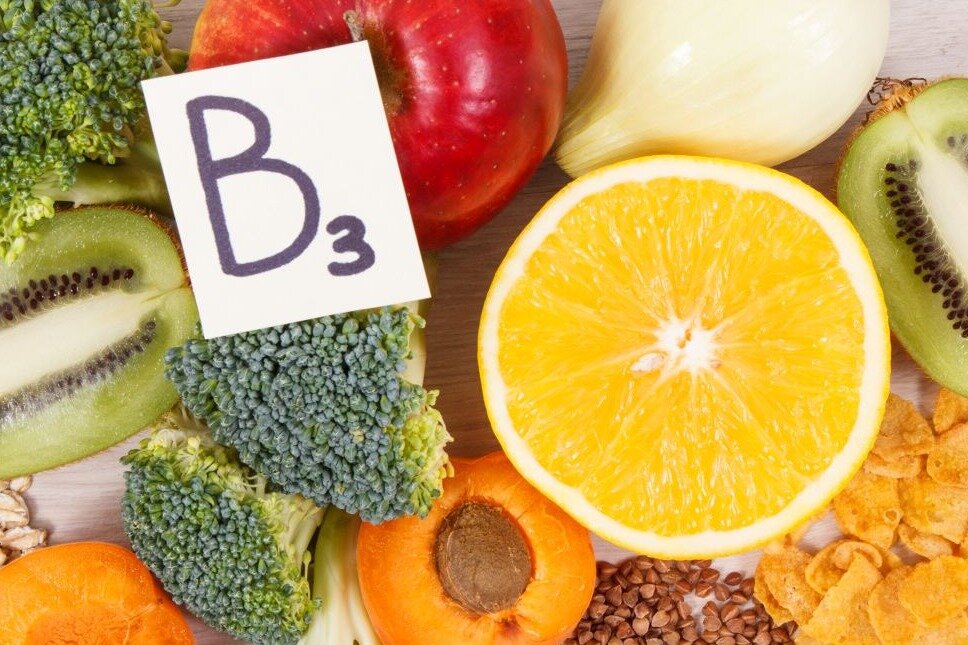
Niacin, also known as vitamin B3, is an essential nutrient that plays a crucial role in maintaining overall health and well-being. It is a water-soluble vitamin that is found naturally in many foods, including meat, fish, nuts, and grains. Niacin has been shown to have numerous health benefits ranging from improving cholesterol levels to reducing inflammation.
Recently, there has been growing interest in the potential cognitive benefits of niacin supplementation. Some research suggests that niacin may enhance brain function and mental well-being by improving blood flow to the brain and increasing levels of neurotransmitters like serotonin and dopamine. In this article, we will explore what is Niacin and how it works in the body to promote cognitive health.
Niacin and Neurotransmitter Production
Niacin plays a critical role in the production of neurotransmitters, the chemical messengers that facilitate communication between nerve cells in the brain. Serotonin, dopamine, and norepinephrine are neurotransmitters that regulate mood, cognition, and emotions. Adequate levels of niacin are necessary for the synthesis and optimal functioning of these neurotransmitters, which are essential for maintaining a balanced mental state.
Supporting Cognitive Function
Niacin has shown promising effects on cognitive function and memory. It helps to maintain the integrity and structure of brain cells, supporting the overall health of the nervous system. Niacin's involvement in energy metabolism also ensures that the brain receives a steady supply of energy for optimal cognitive performance. Studies have indicated that niacin supplementation may improve cognitive function, attention, and memory, particularly in individuals with niacin deficiency or cognitive impairments.
Niacin and Mental Well-being
Niacin's impact on mental well-being extends beyond cognitive function. Adequate levels of niacin have been associated with improved mood regulation and reduced symptoms of depression and anxiety. Niacin's role in serotonin production is particularly relevant here, as serotonin is a neurotransmitter known for its mood-stabilizing and happiness-promoting effects. Ensuring sufficient niacin intake through diet or supplementation can contribute to overall emotional well-being.
Neuroprotective Effects
Niacin has shown potential neuroprotective effects, meaning it may help protect brain cells from damage and promote their survival. It acts as an antioxidant, neutralizing harmful free radicals that can cause oxidative stress and damage cells. By reducing oxidative stress, niacin may help protect the brain against age-related cognitive decline, neurodegenerative diseases, and other neurological disorders.
Food Sources of Niacin
Niacin is found in various food sources, making it accessible for most individuals. Excellent dietary sources of niacin include lean meats, poultry, fish, whole grains, legumes, nuts, and seeds. Incorporating these foods into your diet can help ensure an adequate intake of niacin to support brain function and mental well-being. However, in cases of specific dietary restrictions or deficiencies, niacin supplementation may be considered under the guidance of a healthcare professional.
Conclusion
Niacin plays a vital role in enhancing brain function and mental well-being. As a vitamin B3, it helps to maintain healthy brain cells, regulates mood and reduces anxiety, improves memory, and cognitive performance. When taken in the recommended doses, niacin is safe and has little to no adverse effects on the body.
However, before taking any supplements or making significant changes to your diet, it is advisable to consult a healthcare professional. In summary, incorporating niacin into your daily routine can be a great way to boost your overall mental health and improve your cognitive abilities. So why not give it a try today?
Replies