What Is a Cuvette and How It Is Used in Laboratory Spectroscopy and Chemical Analysis
A cuvette is a fundamental laboratory tool used in spectroscopy and chemical analysis to hold liquid samples for measurement of light absorbance or transmittance. Its design and material properties play a critical role in the accuracy, precision, and reliability of analytical results. Understanding what is cuvette, its types, and how it is used is essential for anyone performing experiments involving spectrophotometry or related analytical techniques.
Definition and Structure of a Cuvette
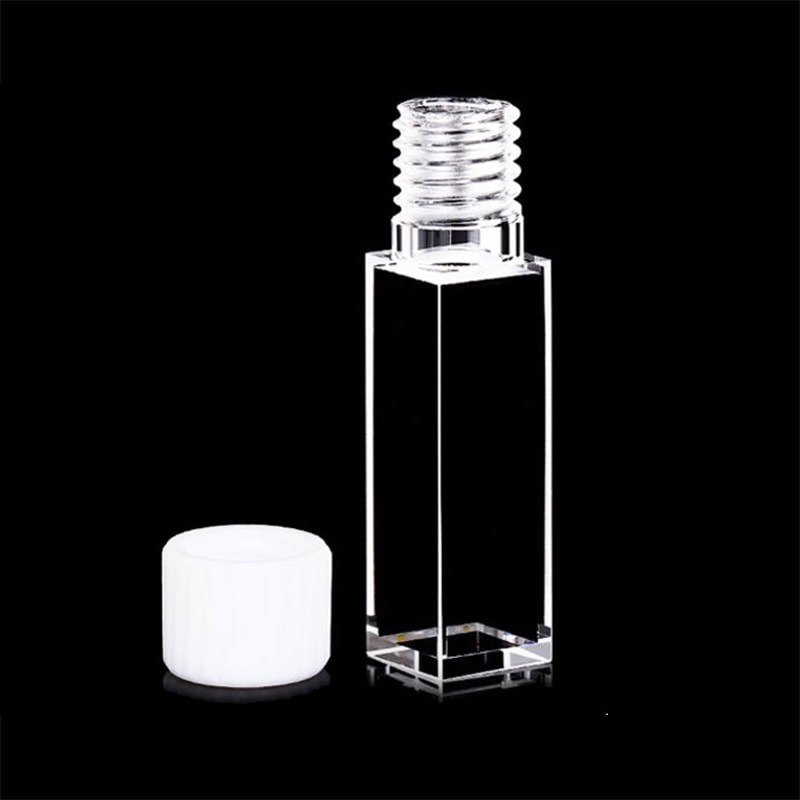
A cuvette is a small, transparent container, typically made of glass, quartz, or plastic, that holds liquid samples for optical measurement. Its primary function is to allow light from a spectrophotometer or similar instrument to pass through the sample, enabling measurement of absorbance, transmittance, or fluorescence. Cuvettes are designed with precise dimensions to ensure consistent pathlengths, usually ranging from 0.1 cm to 10 cm, with 1 cm being the most common standard. The pathlength is the distance that light travels through the sample, directly affecting the accuracy of quantitative analysis.
Types of Cuvettes
Cuvettes come in different materials and shapes, each suited for specific types of analysis. Glass cuvettes are commonly used for visible light spectroscopy due to their durability and affordability. Quartz cuvettes are preferred for ultraviolet (UV) spectroscopy because they transmit UV light effectively without significant absorption. Plastic cuvettes are lightweight and cost-effective, suitable for general applications where extreme precision is not required. Additionally, cuvettes may have varying geometries, such as rectangular or cylindrical shapes, depending on the instrument’s sample holder and the experimental requirements.
Use of Cuvettes in Spectroscopy
Spectroscopy involves measuring how a sample interacts with light, typically by quantifying absorbance or transmittance at specific wavelengths. The cuvette plays a crucial role in this process. A sample is placed in the cuvette, which is then inserted into the spectrophotometer. Light passes through the sample, and the instrument measures the intensity of transmitted light compared to a reference or blank solution. By applying Beer-Lambert’s law, the concentration of the analyte in the sample can be determined accurately. The cuvette ensures that the light passes uniformly through the sample, providing consistent and reproducible measurements.
Applications in Chemical Analysis
Cuvettes are widely used in various fields of chemical analysis, including biochemistry, environmental monitoring, pharmaceutical research, and industrial quality control. In biochemistry, they are used to quantify proteins, nucleic acids, and enzyme activity by measuring absorbance at specific wavelengths. Environmental scientists use cuvettes to analyze water quality, detecting pollutants or chemical contaminants. In pharmaceutical and chemical industries, cuvettes help monitor reactions, determine concentrations of active compounds, and ensure product quality.
Best Practices for Using Cuvettes
Proper handling of cuvettes is essential to obtain reliable results. Cuvettes should be cleaned thoroughly before use to avoid contamination or residue that can interfere with measurements. Fingerprints, scratches, or bubbles in the sample can scatter light and reduce accuracy, so care must be taken during handling and filling. Using matched cuvettes with identical pathlengths helps improve reproducibility in comparative studies. It is also important to select cuvettes compatible with the wavelength range of the analysis to ensure optimal light transmission.
Conclusion
Cuvettes are essential tools in laboratory spectroscopy and chemical analysis, enabling precise and accurate measurement of light interaction with liquid samples. Their material, design, and proper handling directly influence experimental outcomes, making them a critical component in both research and industrial applications. Understanding the different types of cuvettes, their uses, and best practices ensures reliable results in quantitative analysis, quality control, and scientific investigations. Whether in biochemistry, environmental science, or pharmaceutical research, cuvettes provide a simple yet indispensable solution for measuring and analyzing chemical samples with precision.
Replies