What Doctor Should I See For Mid Back Pain?
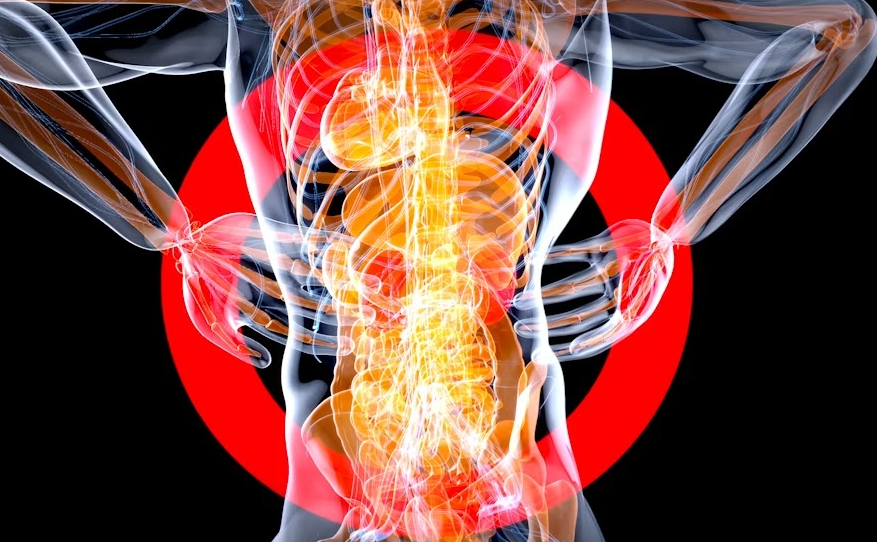
Mid back pain, also known as thoracic spine pain, is less common than neck pain or lower back pain, but it can still significantly affect daily life. The discomfort may range from a mild ache between the shoulder blades to severe pain that interferes with work, exercise, sleep, and normal activities.
One of the most confusing aspects of mid-back pain is knowing where to start. Since pain in this region can arise from muscles, joints, nerves, bones, or even internal organs, many people are unsure which medical specialist they should see.
Start With Your Primary Care Physician
For many people, the best first step is visiting a primary care physician.
A primary care doctor can:
- Review your medical history;
- Perform a physical examination;
- Assess risk factors;
- Order initial imaging or laboratory tests;
- Determine whether a specialist referral is necessary.
Because mid-back pain can occasionally be linked to non-spinal causes, a primary care physician is often well positioned to evaluate the broader picture.
In many cases, mild or recent pain can be managed without immediately seeing a specialist.
When Should You See an Orthopedic Spine Specialist?
Orthopedic spine specialists focus on conditions affecting the bones, joints, discs, and supporting structures of the spine.
You may benefit from evaluation by an orthopedic spine physician if you experience:
- Persistent back pain;
- Pain following an injury;
- Limited mobility;
- Suspected spinal degeneration;
- Structural spinal abnormalities.
These specialists often evaluate conditions such as:
- Thoracic disc problems;
- Spinal arthritis;
- Compression fractures;
- Scoliosis;
- Degenerative spinal conditions.
They may recommend conservative treatment, physical therapy, injections, or, in selected cases, surgery.
When Is a Neurologist Appropriate?
Not all back pain originates from muscles or joints.
If nerve involvement is suspected, a neurologist may be helpful.
Potential signs of nerve-related issues include:
- Numbness;
- Tingling;
- Burning sensations;
- Weakness;
- Radiating pain.
Neurologists specialize in disorders involving the nervous system and can perform specialized testing to evaluate nerve function.
Although thoracic nerve compression is less common than cervical or lumbar nerve issues, it can occur and may require further evaluation.
Physical Medicine and Rehabilitation Physicians
A physician specializing in Physical Medicine and Rehabilitation (PM&R), often called a physiatrist, frequently treats spinal pain without surgery.
Physiatrists focus on restoring function and improving quality of life.
They often manage:
- Chronic back pain;
- Sports-related injuries;
- Musculoskeletal disorders;
- Nerve-related pain.
Treatment plans may include:
- Physical therapy;
- Exercise programs;
- Postural correction;
- Interventional procedures;
- Pain management strategies.
For many patients with ongoing mid-back pain, a physiatrist can play a central role in treatment.
Pain Management Specialists
If pain becomes chronic or difficult to control, a pain management physician may be recommended.
These specialists evaluate both the source of pain and strategies for reducing symptoms.
Treatment options may include:
- Trigger point injections;
- Epidural steroid injections;
- Nerve blocks;
- Medication management;
- Comprehensive rehabilitation plans.
Pain management specialists often work alongside orthopedic physicians, physiatrists, and physical therapists.
Could the Pain Be Coming From Muscles?
Many cases of mid-back pain are muscular in origin.
Common causes include:
- Poor posture;
- Prolonged desk work;
- Overuse injuries;
- Heavy lifting;
- Muscle strain.
When muscular causes are suspected, treatment may involve:
- Physical therapy;
- Stretching programs;
- Strengthening exercises;
- Ergonomic adjustments.
A physical therapist may become one of the most important members of the treatment team, even if a physician performs the initial diagnosis.
When Mid Back Pain May Not Be a Spine Problem
One reason it is important not to self-diagnose is that some causes of mid-back pain are unrelated to the spine.
Certain medical conditions involving internal organs can produce discomfort in the mid-back region.
Examples may include:
- Gallbladder disorders;
- Kidney problems;
- Lung conditions;
- Gastrointestinal issues;
- Certain cardiac conditions.
This is another reason why primary care evaluation can be a useful starting point, especially when symptoms are unusual or accompanied by other health concerns.
Red Flags That Require Prompt Medical Attention
Seek medical evaluation promptly if mid-back pain is accompanied by:
- Fever;
- Unexplained weight loss;
- Significant trauma;
- Progressive weakness;
- Loss of bladder or bowel control;
- Severe nighttime pain;
- Difficulty walking.
These symptoms may indicate a more serious underlying condition requiring urgent assessment.
The bottom line
The best doctor for mid-back pain depends on the underlying cause. For many people, a primary care physician is the ideal starting point and can help determine whether referral to an orthopedic spine specialist, neurologist, physiatrist, pain management physician, or physical therapist is appropriate. Because mid-back pain can originate from muscles, joints, nerves, bones, or even internal organs, obtaining an accurate diagnosis is essential before treatment begins.
Replies