Weight Loss Surgery vs. Ozempic - What Do I Choose?
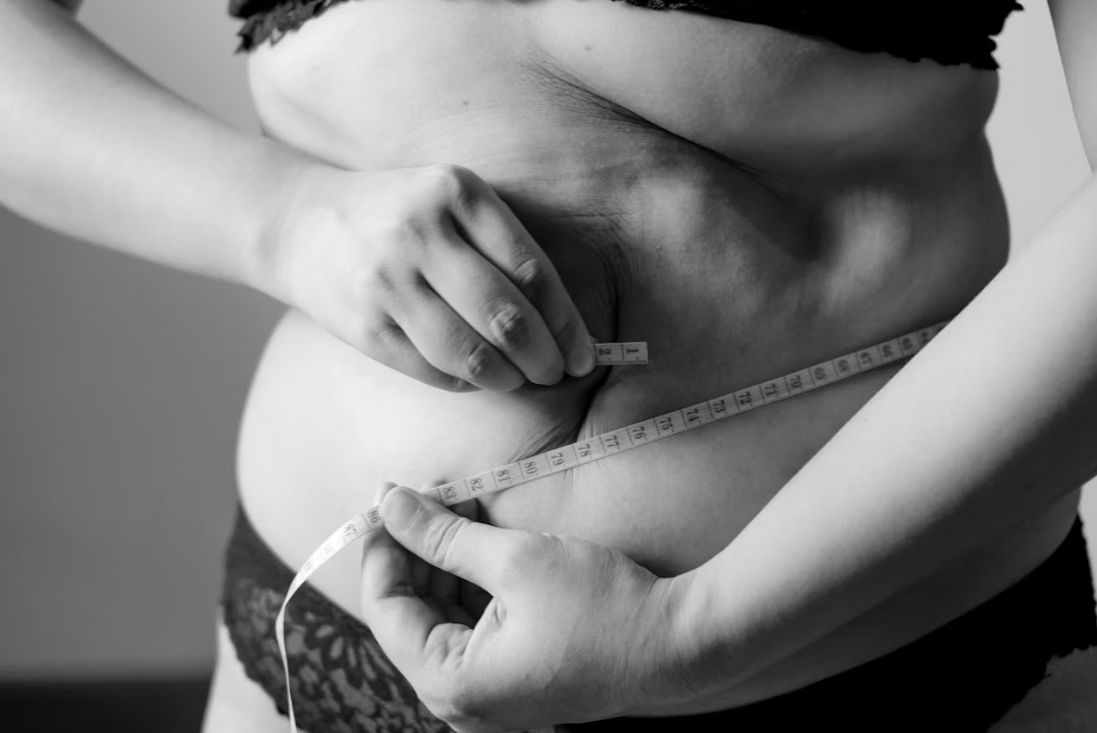
In recent years, type 2 diabetes injectables such as Ozempic and other GLP-1 (Glucagon-like peptide 1) receptor agonists have increased in usage and appeal, thanks in large part to celebrity weight-loss endorsements and TikTok advertising, revolutionizing obesity therapy. Despite high-profile support for the 'fast weight-loss cure' that is sweeping the internet and social media, there is still much to be debated regarding the efficacy of anti-obesity drugs as a weight-loss treatment when compared to alternatives such as bariatric surgery.
What Are Weight Loss Injectables, and How Do They Work?
GLP-1 drugs, approved by the Food and Drug Administration in 2005, are known to treat type 2 diabetes by boosting the body's production of more insulin and lowering blood sugar levels. In addition to boosting insulin release, GLP-1 agonists tend to suppress appetite and prolong stomach emptying, potentially contributing to weight reduction.
Once recommended by a doctor, these drugs are usually self-injected once a week into the stomach, thigh, or upper arm. Patients can adjust the injection pen to obtain the appropriate amount, but they should avoid injecting medicine into a muscle or the same location repeatedly in succession.
What Is Bariatric Surgery, and How Does It Work?
The National Institutes of Health recognizes bariatric surgery as the most effective long-term weight reduction therapy for obesity. It consists of numerous treatments, each of which aims to reduce the size of the stomach or change the digestive process.
How Do Weight Loss Medications Compare to Bariatric Surgery?
Weight-loss drugs and bariatric surgery have both proved helpful in helping overweight and obese people lose weight and improve their health. The concept of self-injecting medication may not appeal to everyone, but the once-weekly or once-daily dose of GLP-1s such as Ozempic, Wegovy, Mounjaro, and Zepbound makes them handy and simple to administer.
These drugs also have the risk of adverse effects, and the weight reduction may be temporary. They are less likely to be covered by insurance, therefore there is a long-term expense commitment. As a newer weight-loss treatment, these drugs have not received as much investigation as previous techniques.
Bariatric surgery has been used for weight loss for longer than the recently popularized GLP-1s, and board-certified surgeons have been executing it safely for decades. Bariatric surgeries, like any other type of surgery, include hazards.
Whatever type of medically assisted weight reduction you select, make sure you have an open talk with your healthcare physician to determine which option is right for you.
Who Is Eligible for Weight Loss Surgery vs. Injectables?
Weight-loss drugs and bariatric surgery are both often given for people who are classed as medically obese or have medical issues that may be connected to their weight. Prescriptions and operations are given on an individual basis, and drugs may be administered prior to surgery.
Eligibility for bariatric surgery normally requires a BMI of more than 35, substantial negative health effects associated with obesity such as high blood pressure or diabetes, and difficulty maintaining a healthy body weight for an extended length of time. A BMI assessment can help you identify the best way to lose weight.
Effectiveness
Because no two instances are alike, it is critical to recognize that weight-loss outcomes reported in case studies and clinical trials may differ based on a variety of circumstances. Consult your healthcare professional or bariatric surgeon to determine the most feasible short- and long-term weight loss goals.
Risks and Side Effects
Ozempic and Wegovy can cause nausea, diarrhea, gastroparesis, and constipation, and they can be risky for people with a history of thyroid cancer or multiple endocrine neoplasia syndrome type 2.
Mounjaro and Zepbound may potentially cause a variety of adverse effects, some of which are severe. Milder side effects may include nausea, gastroparesis, constipation, diarrhea, and stomach discomfort. The most significant adverse effects include pancreatitis (pancreatic enlargement), hypoglycemia (low blood sugar), and a strong allergic response.
Bariatric surgery, like any other surgical operation, has inherent risks such as infection, hemorrhage, and anesthesia-related complications. Because of the changed architecture and reduced food intake associated with bariatric surgery, patients may have malabsorption of vitamins and minerals, leading to nutritional deficiencies. A medically controlled diet, guided by the bariatric surgeon and colleagues, can help prevent these inadequacies.
The bottom line
Research and development to assist patients in overcoming obesity and weight-related medical hazards is continually improving, with more promising solutions and outcomes. However, weight-loss drugs and bariatric surgery are not sufficient remedies. Each demands considerable lifestyle adjustments for long-term effectiveness, such as permanent dietary modifications and frequent exercise. Each works best with the help of healthcare experts, family, and friends, even after the weight is lost.
Replies