Walking Japan’s Sacred Trail: The Complete Shikoku Pilgrimage Experience
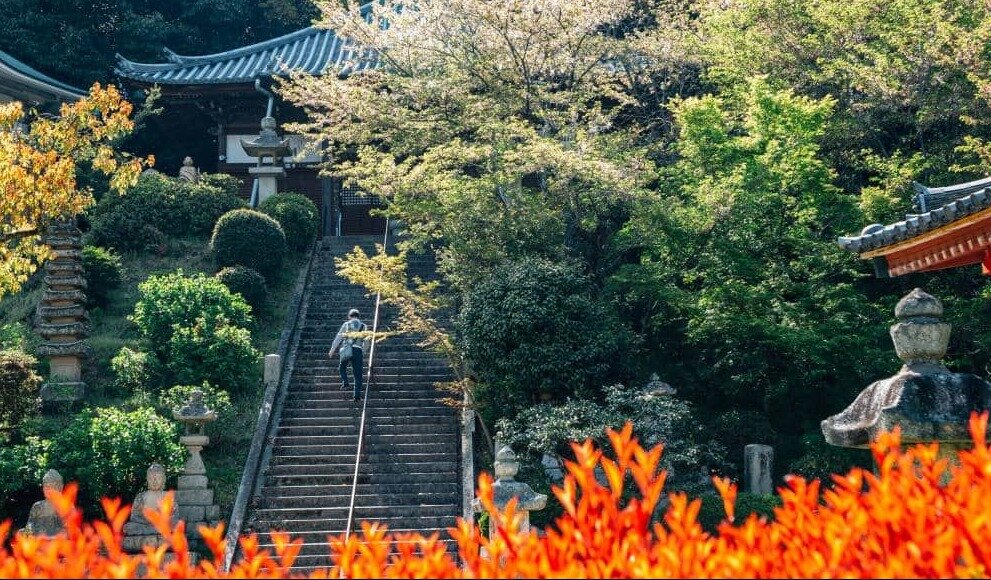
Japan is full of incredible travel experiences, but few are as meaningful and peaceful as the Shikoku Pilgrimage. This ancient walking route takes you across the island of Shikoku, visiting 88 Buddhist temples linked to the famous monk Kobo Daishi. It’s not just a hike—it’s a journey of reflection, culture, and personal discovery.
Whether you are a spiritual seeker or a curious traveler, the Shikoku Pilgrimage offers something truly special.
What Is the Shikoku Pilgrimage?
The Shikoku Pilgrimage (also called Shikoku Henro) is a circular route around Japan’s smallest main island, Shikoku. It covers about 1,200 kilometers and connects 88 sacred temples.
Traditionally, pilgrims walk the entire route, but today people also travel by bus, bike, or car. Still, walking remains the most authentic way to experience the journey.
The pilgrimage is associated with Kobo Daishi (Kukai), a highly respected Buddhist monk. Many believe he still guides pilgrims on their journey.
Why Do People Walk the Shikoku Pilgrimage?
People join the Shikoku Pilgrimage for many reasons:
Spiritual Growth
For many, this journey is about reflection, healing, and finding peace. Walking long distances gives time to think deeply about life.
Cultural Experience
You pass through rural villages, mountains, coastal roads, and historic temples. It’s a deep dive into traditional Japan that most tourists never see.
Personal Challenge
Walking over 1,200 km is not easy. Many people take weeks or even months to complete it. The physical challenge is part of the reward.
The Route: What to Expect
The Shikoku Pilgrimage is divided into four main regions:
- Tokushima (Temples 1–23)
This is where most pilgrims begin. The route starts gently, making it a good introduction for walkers.
- Kochi (Temples 24–39)
Kochi is known for its long coastal stretches and hot weather. This section is the toughest but also the most peaceful.
- Ehime (Temples 40–65)
Here, the journey becomes more relaxed. You’ll find beautiful temples, friendly locals, and comfortable resting places.
- Kagawa (Temples 66–88)
This is the final stretch. Many pilgrims feel a strong emotional connection as they near the end of their Shikoku Pilgrimage.
What Makes the Experience Special?
Temple Visits
Each temple has its own unique style, history, and atmosphere. Pilgrims usually wear white clothing, carry walking sticks, and collect stamps (called goshuin) at each temple.
Pilgrim Hospitality
One of the most beautiful parts of the Shikoku Pilgrimage is o-settai, the kindness shown by locals. People often offer food, water, or even a place to stay for free.
Simple Living
Most pilgrims live with a backpack, staying in small inns, guesthouses, or temple lodgings. This simple lifestyle helps you focus on the journey itself.
Tips for First-Time Pilgrims
If you are planning to walk the Shikoku Pilgrimage, here are some helpful tips:
- Start with a light backpack to avoid strain
- Wear comfortable walking shoes
- Carry enough water, especially in summer
- Learn basic Japanese phrases
- Respect temple rules and local customs
- Take your time—there is no need to rush
Remember, the journey is not about speed. It’s about experience.
Best Time to Do the Shikoku Pilgrimage
The best seasons are spring (March to May) and autumn (September to November). The weather is mild, and the scenery is beautiful. Summer can be very hot and humid, while winter can be cold in the mountains.
Conclusion
The Shikoku Pilgrimage is more than just a long walk—it is a life-changing journey through Japan’s spiritual heart. From quiet mountain paths to welcoming villages and ancient temples, every step brings new meaning.
Whether you walk a few temples or the entire route, the experience stays with you long after the journey ends. If you are looking for adventure, peace, and self-discovery, the Shikoku Pilgrimage might be the perfect path for you.
Replies