Uses Of Water In Industrial Processes
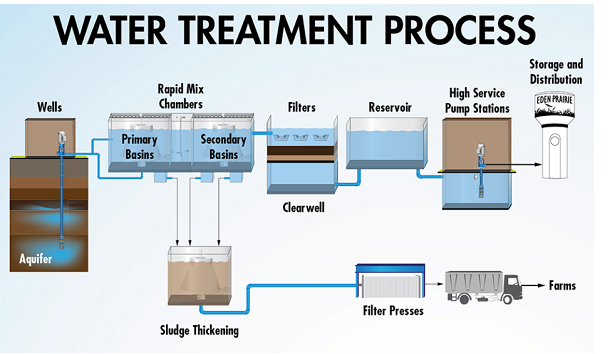
The use of water is crucial in many industrial processes. The resulting waste water is a potential environmental pollutant, if the respective treatment is not carried out. Hence the importance of a control program for discharges of each type of industrial water.
The control of the emission of industrial waters requires knowledge of the volume of water used per unit of time and its quality. In addition, it implies knowledge of the water quality standards that the industry receives and disposes of.
Depending on the use, industrial waters come from water treatment plants, boilers, heat exchangers and processes, among others. Let's see some of them.
Waste water treatment plants
Some industries need to perform a water treatment they receive in order to obtain the quality required for each use. Below are several types of waste water from different processes used.
Sedimentation
Generally uses coagulants such as aluminum or iron salts. The material sedimented and removed from the bottom of the sedimentation tanue (mud), contains approximately 8% solids and 92% water. The water resulting from this process can be recirculated to the initial operation. The only loss of water is the one that finally contains the sludge cake, usually 50 to 75% of its weight.
Softening
It consists of the removal of calcium and magnesium ions that the water contains in a cation exchanger or by treatment with lime and soda. The resulting sedimented sludge contains calcium carbonate and magnesium hydroxide. The final material after recycling the sludge can have a concentration of 25% solids and 75% water.
Filtration
Washing filters with clean water stream originates waste water containing the solids retained in the filter. The filters are also used to separate the precipitated iron from the well water, which has been aerated to oxidize the ferrous or ferric ion. The water used for washing these filters can be used again in this operation.
Ionic exchange
Used for soft water using a cation exchange material that removes calcium and magnesium and replaces them with sodium. The exchange material is generally NaCl and the waste water after this process contains CaCl2, MgCl2 and the excess NaCl used.
Demineralization
It uses cationic and anionic exchangers that produce water of similar quality to the distilled one. The exchangers may be ammonium hydroxide, caustic, sulfuric acid or hydrochloric acid. The cation exchanger replaces the cations with hydrogen; this way an acidic water is obtained that needs to be degassed to remove CO2 and SO2.
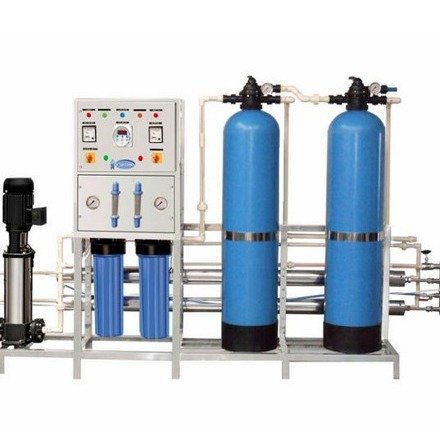
The anion exchanger replaces the anions with hydroxides. Waste water contains all the substances that the original water had and the excess exchanger material added, except acid gases. This waste water should not be recycled.
Replies