Understanding Different Types of Braces for Everyday Support
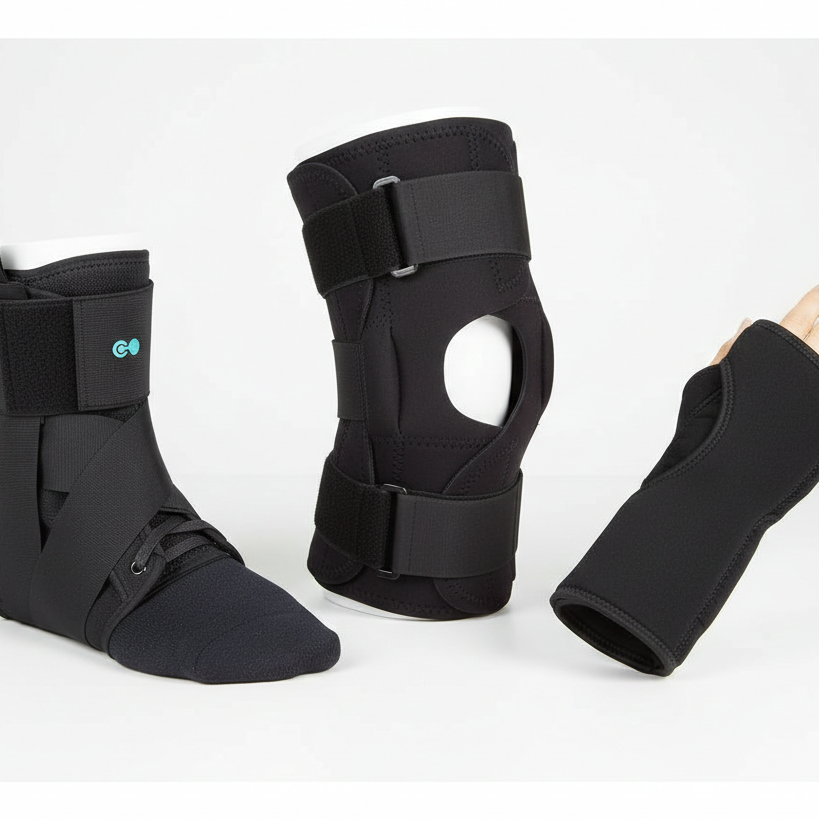
Whether you're recovering from an injury, managing chronic pain, or simply looking to prevent strain during daily activities, finding the right support brace can make a significant difference in your comfort and mobility. Support braces provide stability, reduce pain, and help protect vulnerable joints and muscles from further damage. However, with so many types available, understanding which brace suits your specific needs is essential for getting the relief and support you're looking for.
This guide will help you navigate the different types of support braces, their specific uses, and how to choose the right one for your lifestyle.
What Is a Support Brace?
A support brace is a medical device designed to stabilize, protect, or assist a specific part of the body. These devices range from simple elastic sleeves to more complex rigid structures with straps and hinges. The primary goal of any support brace is to limit harmful movement, provide compression, reduce pain, and promote proper alignment during healing or everyday activities.
Support braces are commonly used for knees, wrists, ankles, backs, and other joints that experience stress from movement, repetitive use, or previous injury. They can be worn during physical activity, throughout the workday, or even while sleeping, depending on the type and purpose.
Types of Support Braces by Body Part
Knee Support Brace for Daily Use
Knee pain is one of the most common complaints, affecting people of all ages. A knee support brace for daily use provides compression and stability to reduce discomfort from arthritis, tendonitis, previous injuries, or general wear and tear. These braces help distribute pressure evenly across the joint, which can alleviate pain during walking, climbing stairs, or standing for extended periods.
Knee braces come in various designs, from simple compression sleeves to hinged braces that offer more rigid support. For everyday activities, many people prefer a comfortable knee brace that balances support with flexibility, allowing them to move naturally while protecting the joint.
If you're dealing with mild to moderate knee pain, a compression-style brace often provides enough support for daily tasks. For more significant instability or post-injury recovery, a hinged or wraparound design may be more appropriate.
Wrist Support Brace for Pain Relief
Wrist pain from carpal tunnel syndrome, tendonitis, or repetitive strain injuries can interfere with everything from typing to cooking. A wrist support brace for pain relief immobilizes the wrist in a neutral position, reducing strain on tendons and nerves while promoting healing.
Many wrist braces are designed to be worn during specific activities or overnight. An overnight wrist brace keeps your wrist properly aligned while you sleep, preventing the curled position that often worsens carpal tunnel symptoms. This type of brace is particularly helpful for people who wake up with numbness, tingling, or stiffness in their hands.
Daytime wrist braces are typically lower-profile and allow for some movement while still providing support. They're ideal for people who need relief during work or daily tasks without complete immobilization.
Ankle Support Brace for Walking
Ankle injuries are common, and even after healing, the joint can remain vulnerable to re-injury. An ankle support brace for walking provides stability and prevents excessive rolling or twisting movements that could cause sprains.
Ankle braces range from simple elastic sleeves to lace-up designs with rigid side supports. A laced ankle brace offers adjustable compression and support, making it suitable for people recovering from sprains or those with chronic ankle instability. The lace-up design allows you to customize the fit and level of support based on your activity level.
For people who spend a lot of time on their feet or participate in activities like hiking or sports, an ankle brace can provide the confidence and protection needed to stay active safely.
Back Support Brace for Posture
Poor posture contributes to back pain, muscle fatigue, and long-term spinal issues. A back support brace for posture helps remind your body to maintain proper alignment, especially during activities that put strain on the lower back.
These braces typically wrap around the lower back and abdomen, providing compression and support to the lumbar region. They're particularly beneficial for people who sit for long hours, lift heavy objects regularly, or have chronic lower back pain.
While a back brace can provide immediate relief and support, it's important to combine its use with strengthening exercises and ergonomic adjustments for long-term improvement.
Brace Sleeve vs Wrap: Understanding the Difference
When choosing a support brace, you'll often encounter two main styles: sleeves and wraps. Understanding the difference between a brace sleeve vs wrap can help you select the most appropriate option.
Sleeve-style braces are tubular garments that slip over the affected area. They provide even compression and are typically made from elastic materials like neoprene or spandex. Sleeves are easy to put on and offer consistent support, making them ideal for mild to moderate pain and everyday use. However, they offer less adjustability and may not provide enough stability for severe injuries.
Wrap-style braces feature adjustable straps, velcro closures, or laces that allow you to customize the fit and level of compression. They're more versatile and can accommodate swelling or changes in size throughout the day. Wraps are often preferred for acute injuries or conditions requiring more targeted support.
The choice between sleeve and wrap often comes down to personal preference, the severity of your condition, and your activity level. Some people find sleeves more comfortable for all-day wear, while others appreciate the customizable support that wraps provide.
Choosing the Right Support Brace
Selecting the appropriate support brace depends on several factors:
Identify your primary concern: Are you dealing with pain, instability, swelling, or trying to prevent injury? Your specific issue will guide your choice.
Consider your activity level: Daily wear requires comfort and breathability, while athletic activities may need more rigid support.
Evaluate the severity: Mild discomfort might respond well to a simple compression sleeve, while significant injuries or chronic conditions often require more structured braces.
Think about fit and adjustability: Proper fit is crucial for effectiveness. Measure the affected area according to manufacturer guidelines and consider whether you need adjustability to accommodate changes throughout the day.
Consult healthcare providers: If you're unsure which type of brace is best, speak with your doctor, physical therapist, or orthotist. They can assess your specific situation and recommend the most appropriate option.
How to Use Support Braces Effectively
To get the most benefit from your support brace, wear it as directed by your healthcare provider or the product instructions. Most braces should feel snug but not overly tight, and they shouldn't cause numbness, tingling, or increased pain.
Start by wearing your brace during activities that typically cause discomfort, then gradually adjust the wearing schedule based on your needs and comfort level. Remember that braces are supportive tools, not permanent solutions. Combine their use with appropriate exercises, stretching, and lifestyle modifications for the best long-term outcomes.
Conclusion
Support braces are valuable tools for managing pain, promoting healing, and maintaining an active lifestyle despite joint or muscle challenges. By understanding the different types available and how they address specific needs, you can make an informed decision that supports your health and daily activities. Whether you need a knee brace for stability, a wrist brace for overnight relief, or an ankle brace for confident walking, the right support can help you move through life with greater comfort and confidence. Take the time to assess your needs, consult with healthcare professionals when necessary, and choose a brace that fits both your body and your lifestyle.
Replies