Top 6 Leg Swelling Culprits Your Need to Know About
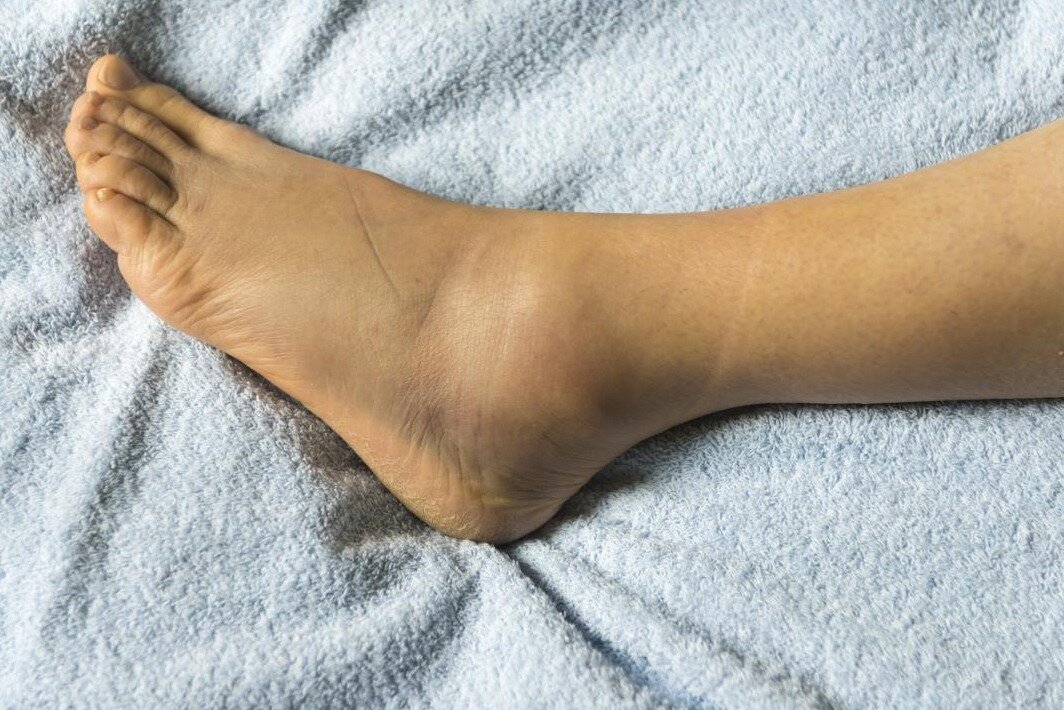
Leg swelling, commonly known as edema, is a condition in which fluid builds up in the legs. Swollen legs can be caused by a variety of factors. Some are harmless, while others can lead to serious issues. Your legs may swell as a result of excessive salt intake or standing for long periods. Sadly, leg edema is often overlooked, particularly when it is not accompanied by pain or other symptoms. But it's important to remember that edema doesn't happen by accident.
Keep on reading to learn about the six most harmful causes of leg swelling that you shouldn't overlook.
1. Varicose veins
Varicose veins are a prevalent problem that can affect people of all ages. It normally doesn't result in any serious symptoms in the early stages, and most individuals dismiss it as a cosmetic issue. However, severe varicose veins can cause swollen legs, discomfort, and other unpleasant symptoms.
It's critical to realize that if you don't get varicose veins treatment as soon as possible, you'll be in a lot of trouble. Veins that have become swollen can rupture and bleed. If this happens, you'll need professional medical help right away. You should avoid sitting for long periods of time and wearing high heels to prevent varicose veins from developing.
2. Lymphedema
Lymphedema is a condition in which fluid builds up in one or both of your lower extremities. The injury to lymph nodes is the most typical cause of this illness. Although there is no real cure for lymphedema, the symptoms can be managed with lifestyle alterations and timely treatment from an experienced specialist.
3. Deep vein thrombosis
Deep vein thrombosis (DVT) is a life-threatening disease. It typically results from blood traveling too slowly and ultimately clotting. Some individuals with DVT have no symptoms, while others may have swollen, red, or painful legs.
Because the blood clot might spread to your lungs and cause a pulmonary embolism, it is critical to treat DVT as quickly as possible. This is a life-threatening illness that warrants urgent medical attention. Medications, surgical intervention, and adequate self-care are commonly used to treat DVT.
4. Arthritis
Arthritis is a painful condition that leads to swelling, redness, and other distressing symptoms in your joints. There are many different types of this illness, each with its own set of symptoms. Despite the fact that arthritis cannot be fully treated, there are a variety of treatment options available to help alleviate symptoms and improve your overall health.
5. Kidney disease
When your kidneys are compromised and unable to work properly, you have kidney disease. They fail to filter your blood or eliminate fluids from your body. Hence, those diagnosed with this condition often have a lot of fluid in their legs.
Leg edema, hypertension, decreased appetite, weariness, muscular cramps, and a variety of other symptoms are all signs of kidney disease. To minimize future complications, it is critical to treat the condition as quickly as possible. If you have at least some of the symptoms listed above, you should see your doctor for an assessment and treatment.
6. Congestive heart failure
Congestive heart failure occurs when your heart begins to operate less efficiently and allows blood to flow more slowly than it should. Excessive fluid accumulation in your legs, dizziness, exhaustion and irregular heartbeats are all symptoms of congestive heart failure. This ailment can cause renal dysfunction, arrhythmias, heart attacks, dyspnea, and a variety of other problems.
The bottom line
It is crucial to acknowledge that you are the only person who can adequately care for your health. Treating the aforementioned issues in a timely and precise manner can reduce leg edema and boost your overall health.
Replies