Top 10 Scuba Diving Training Certifications You Need to Knew
Scuba diving is an extremely adventurous and full of surprises sport. Going on a fun scuba dive requires practice and certifications. Upon completing each level, each diver gets a certification card attesting his/ her qualifications. These Scuba Diving Training Courses or certifications are necessary to have a fun dive or start a career as a professional diver or instructor.
You achieve different certification levels on the basis of your experience, knowledge, and diving skills. Professional Association of Diving Instructors is a diving training organization providing diving certification courses to divers. Let us know about these certifications one by one.
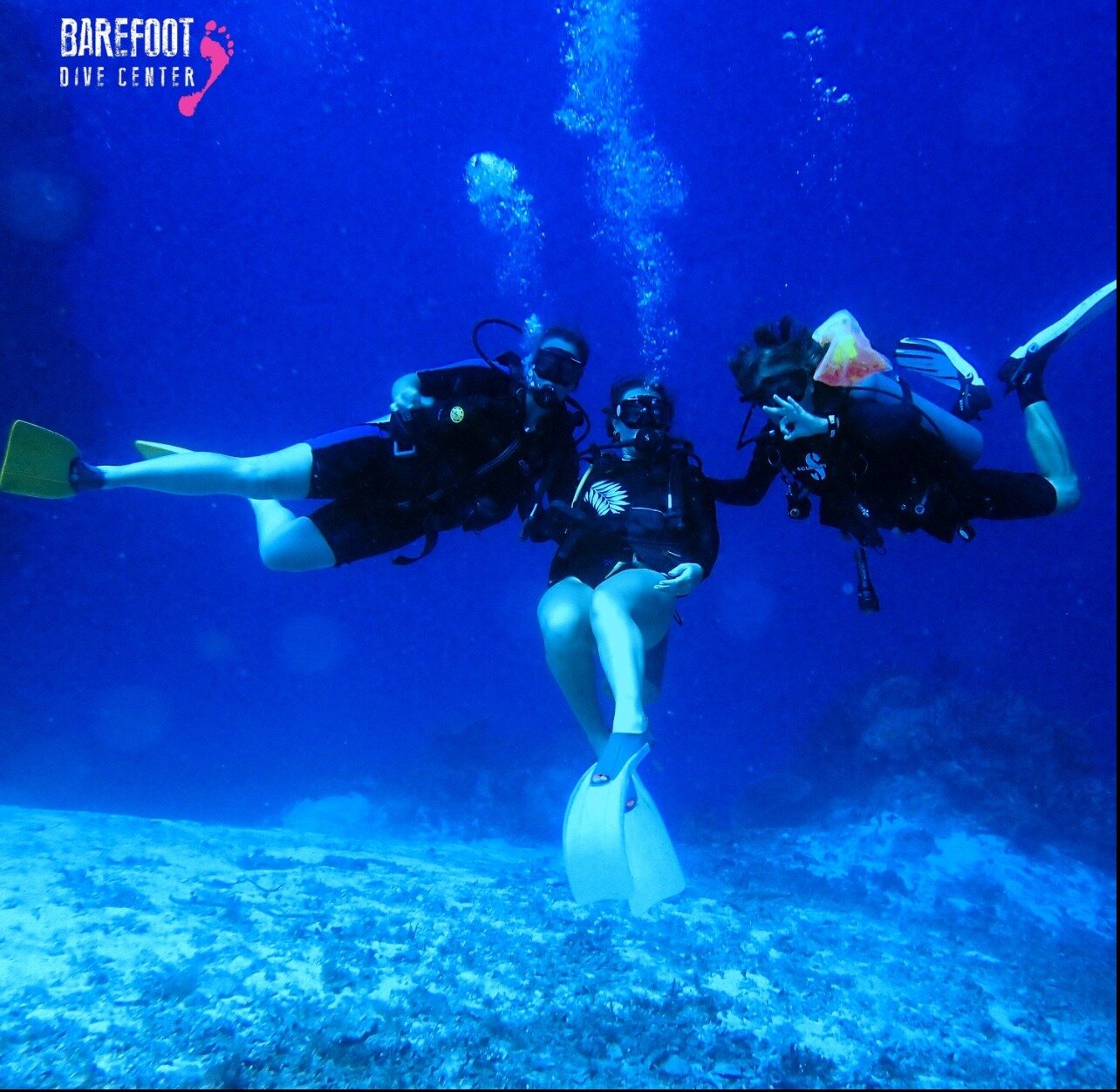
Why scuba diving certificates are important?
Scuba diving requires staying underwater using the diving apparatus to breathe. The diver learns to use the diving equipment properly for Scuba diving certifications. Certifications teach different hand signals needed to communicate inside the water. It also teaches how to deal with underwater scenarios like reading pressure and depth gauges and prepares you to confront a dangerous situation.
Once you have passed the basic scuba diving certificate, you can keep upgrading and even start your career as an instructor or guide on reaching a certain level. If due, for some reason, you stay away from diving for some time, you can always take a scuba Refresher Course to refresh your memory and come back to the game.
Let us not waste any further discussing the different Scuba Diving Training Courses and certificates.
Types of Scuba certifications:
Scuba certifications include a combination of classroom teaching, pool dives, and open-water dives. You can complete classroom sessions at home with the help of e-learning. However, higher certification levels might eliminate the need for pool dive lessons, but they are important in initial certification levels.
The first five scuba certifications are recreational, which means they are not professional. Let us discuss all the diving levels one by one:
1 PADI scuba diver or junior scuba diver:
This is the first level certificate in scuba diving. In this certificate, a professional dive accompanies you in the water, and you cannot go alone at any cost. Those who do not have much time can opt for this course. You can only dive 12 meters or 40 feet and not more than that.
2 PADI open water diver course:
An open water diver course teaches you about scuba gear, and after this certification program, you can enter open water on your own. However, you can choose your diving buddy if you need one. At this level, you can only enter 12- to 18-meter-deep water. At this level, you can also take underwater videography and photography classes.
3 PADI advanced open diver:
It is the third level, and taking this certification has three things. One is that you can dive deeper than the last level (30 meters). Second is that you improve your skills, confidence, and knowledge as a diver, and last is that you dive at night in water.
4 PADI rescue diver course:
As the name suggests, this dive certification allows a diver to help others during a panic or emergency in a dive. In some cases, you need CPR and first aid training before this training. However, during the PADI rescue diver course, you will learn to recognize panicked divers and calm them down or rescue them if required.
5 PADI master scuba diver:
It is the last and highest level of recreational diving certification. To earn this certification, a diver must complete the last four diver courses and earn at least five specialty certificates like deep wreck or night dive.
Moreover, a diver should have at least completed 50 dives to complete this advanced level.
With this, recreational diving programs come to an end. Let us now know about professional diving certification levels.
6 Dive Master:
This is the first level of professional level scuba diving certification.
After completing it, you can start your professional career in diving. After its completion, you can be a group guide.
7 Assistant Instructors:
An assistant instructor assists the head instructor. They can take theoretical classes on divers and also examine surface performance. However, an assistant cannot certify anyone.
8 Open water Scuba instructor:
This level is very special as after completion of this level; a diver becomes able to certify others as an instructor. This position is very special as no one at no level has the power to certify other divers.
9 Master Scuba diver trainer:
Passing this level requires certifying 25 divers and completing 5 PADI specialty instructor courses.
10 Course director:
There are two more levels before reaching this level. One is IDC staff instructor and Master scuba instructor; both are high-level certification programs, and those with this certification program don’t teach normal divers; instead, they teach instructors.
At last, comes the course director, one who is responsible for training the diving instructors. Reaching this level requires years of diving experience and several diving certifications and courses.
Takeaway:
Becoming a pro in scuba diving is not a simple journey, but it is fun and adventurous. It requires you to pass Scuba diving training courses. However, Professional certification courses are more challenging than recreational ones. Each level comes with new challenges and difficulty levels. Sounds interesting?
If you want to experience the adventure of scuba diving and explore the beauty of underwater and marine life, go for a fun scuba dive in Mexico. Barefoot Dive Center provides fun dives, beginner, certified dive, and professional courses. To enrol in any of these courses or take a curious dive at stunning locations, Visit their website now!
Faq:
Why are scuba diving certifications important?
Scuba diving certifications are essential as they teach divers to use equipment, handle underwater scenarios, and communicate underwater. These certifications also allow divers to progress in their diving levels and pursue a professional career.
What are the different recreational scuba diving certifications?
The recreational scuba diving certifications include PADI Scuba Diver, PADI Open Water Diver, PADI Advanced Open Diver, PADI Rescue Diver, and PADI Master Scuba Diver.
What is the PADI Rescue Diver certification?
The PADI Rescue Diver certification enables divers to assist others in emergencies underwater. It includes training in recognizing and handling panicked divers, and in some cases, it requires CPR and first aid training.
Replies