Top 10 Delicious Sources of Calcium
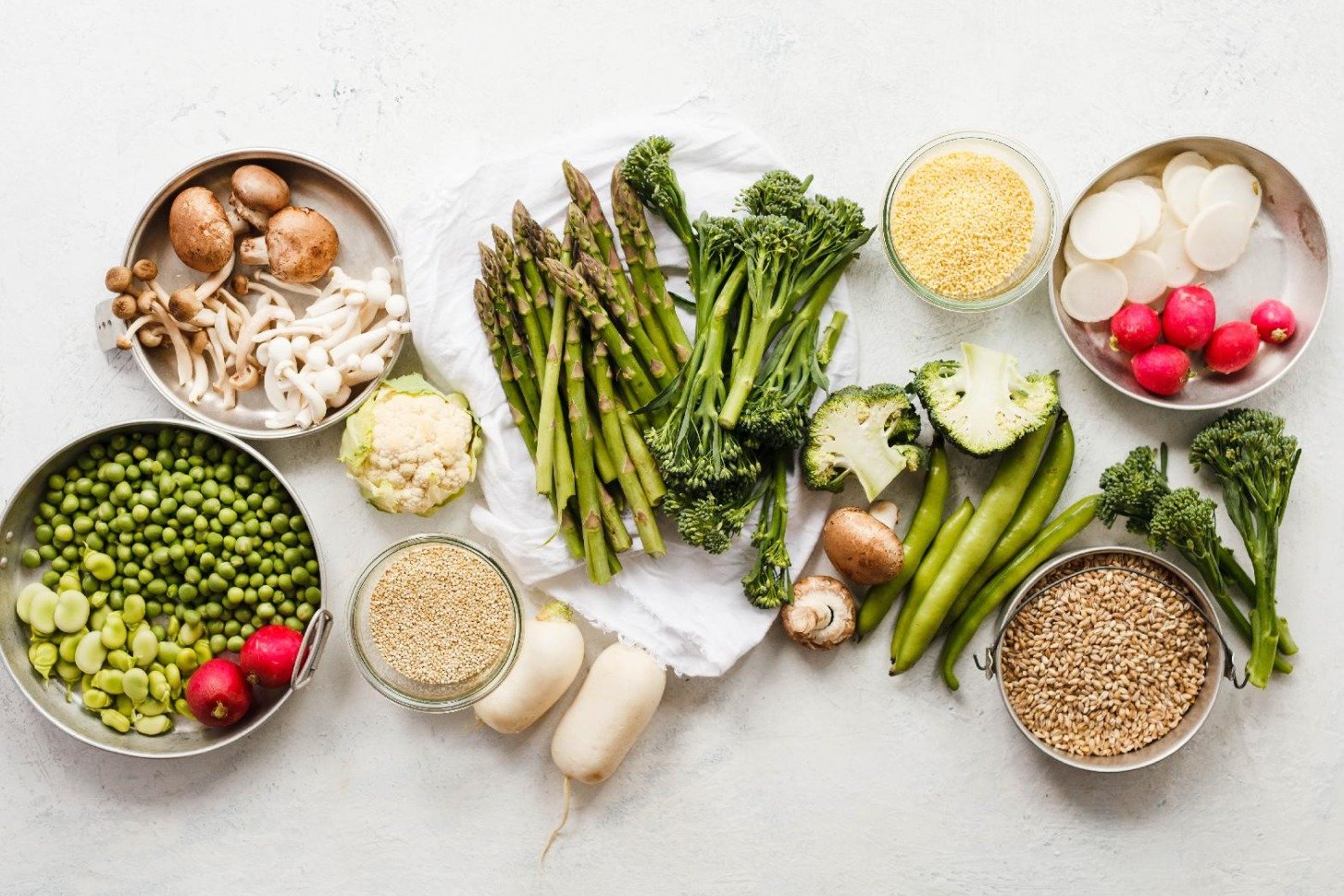
The human body does not know how to produce calcium on its own. At the same time, we need it not only for the health of bones and teeth but also for many other tasks. An unbalanced diet can lead to calcium deficiency quite quickly. Why is it dangerous and what is the most effective way to get your daily calcium intake?
Why is calcium so important for the body?
Calcium is distributed unevenly in our body. About 99% of this element is found in bones and teeth, and only 1% is in other organs and tissues. However, the required amount of calcium is present in every cell of the human body.
Calcium has a high biological activity and performs many important functions in our body:
- provides balance between the processes in the cerebral cortex;
- regulates the processes of relaxation and muscle contraction;
- participates in the formation of bone tissue;
- important for the mineralization of teeth;
- regulates the permeability of cell membranes;
- Helps regulate heart rate;
- affects blood clotting;
- lowers blood cholesterol levels;
- important for the production of many hormones and enzymes;
- helps the immune system, reduces allergic reactions;
- helps to form strong collagen bonds.
Calcium provides the supporting function of bones, and at the same time, bone tissue serves as containers of calcium in the body. This means that if there is a lack of calcium in food, the body will begin to draw it out of the bone tissue.
That often leads to osteoporosis and other diseases, including dental ones. Such dental services as remineralizing the teeth restore calcium in local tissues and help prevent enamel destruction. Other variants to get the required amount of calcium are supplements and food. So, let’s have a look at the common sources of calcium that you can include in your diet.
Spices
Dried aromatic herbs are the richest source of calcium. There is 2132 mg of the mineral in ground savory. Marjoram contains 1990 mg of calcium for every 100 g.
There’s more than 1000 mg of this acroelement in dill, thyme, oregano, ground sage, coriander, fennel, tarragon, mint, parsley, cinnamon. Add dried herbs and spices generously to your daily food. 1 tablespoon of aromatic spice contains up to 30% of the daily rate for calcium.
Seeds
The undisputed leader is poppy. 100 g of seeds contain 1440 mg of calcium. The second place is occupied by sesame seeds, but pay attention that they should be unpeeled. In addition, the form of calcium contained in sesame is organic and highly digestible. To achieve maximum benefits, sesame seeds must be fried. Flax seeds are also rich in calcium, especially when ground.
Nuts
We love nuts for their taste and nutritional value, but they are also a mighty source of calcium. Roasted almonds, brazil nuts, roasted hazelnuts, pistachios and walnuts are especially good for calcium. Nuts contain healthy fats, protein, magnesium and allow calcium to be fully absorbed by the body. Just 100 grams of almonds supply 27% of the RDI for calcium.
Legumes
Almost all legumes are rich in calcium, however, soybeans are the leaders in calcium. The absolute record holder is raw tofu. White beans and chickpeas are undeniably healthy. At the same time, legumes are an excellent source of protein, which helps calcium to be better absorbed. Just half a bowl of tofu provides 86% of the RDI for calcium.
Hard cheeses
Cheese is a delicious gastronomic source of calcium. 100 g of Parmesan fully covers the RDI for calcium! The protein and vitamin D contained in the cheese allow the mineral to be perfectly absorbed. All hard cheeses are also rich in calcium. Feel free to include cheese in your diet within reasonable limits. After all, cheese is a very high-calorie product.
Vegetables
Although vegetables are far from seeds and spices in terms of the amount of calcium. Still, their advantage is that we can eat them in much larger quantities. Turnip leaves and garlic contain 190 mg of calcium. Cooked spinach and chinese cabbage are in second place. Prepare a large bowl of green salad for lunch, and add cod liver to it for calcium to be absorbed by the body. Cod liver is high in protein and vitamin D.
Seaweed
Laminaria is an incredibly healthy product. Although seaweed is known mostly as a source of iodine and iron, it is also an excellent source of calcium. Be sure to supplement your diet with kelp salad, together with canned tuna and olive oil.
Dried figs
Fresh figs are certainly tasty, but they cannot boast of a high concentration of calcium. After drying, the content of this mineral increases almost five times. In addition, dried figs are rich in potassium, magnesium and iron, antioxidants, and fiber. And dried figs are a nice replacement for sweets.
Yogurt
Yogurt is an excellent source of calcium. One cup of plain yogurt contains 30% of the RDI for calcium. It also contains vitamin B2, phosphorus, potassium, and vitamin B12. Greek yogurt is a great source of protein in your diet, but provides less calcium than regular yogurt.
Canned salmon and sardines
Canned sardines and salmon are foods rich in calcium due to their edible bones. 100 g of canned sardines provide 38% of the RDI, and 100 grams of canned salmon with bones provides 25% of the RDI. These fatty fish are also full of high quality protein and omega-3 fatty acids that are good for the heart, brain, and skin.
Replies