Tips for Making Delicious Italian Food Recipes
Italian cuisine is beloved worldwide for its rich flavors, fresh ingredients, and comforting dishes. Whether you're a novice cook or a seasoned chef, mastering the art of Italian cooking can be incredibly rewarding.
Tips To Help You Make Delicious Italian Food Recipes:
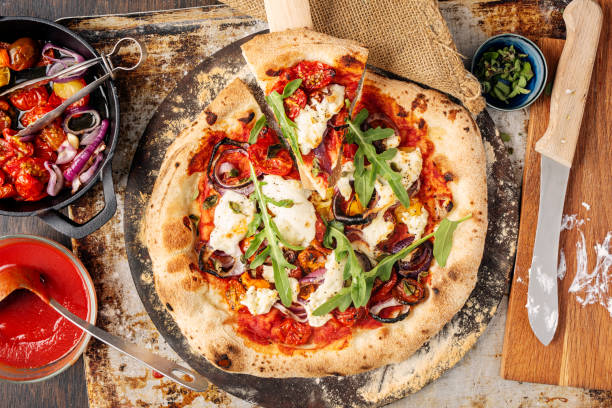
Start with Quality Ingredients: Italian cuisine relies heavily on fresh, high-quality ingredients. Use ripe tomatoes, extra-virgin olive oil, fresh herbs, and authentic cheeses like Parmigiano-Reggiano and mozzarella for the best results. Invest in good quality pasta, preferably made with durum wheat semolina.
Master the Basics
Learn fundamental techniques such as properly cooking pasta al dente, making a flavorful tomato sauce from scratch, and achieving the perfect risotto consistency. Once you've mastered these basics, you can build upon them to create more complex dishes.
Season Thoughtfully
Italian cooking is all about balancing flavors, so don't be afraid to season generously with salt and pepper. Freshly ground black pepper adds a distinctive flavor to many Italian dishes, while salt enhances the natural taste of ingredients. Taste as you go and adjust seasoning accordingly.
Use Fresh Herbs
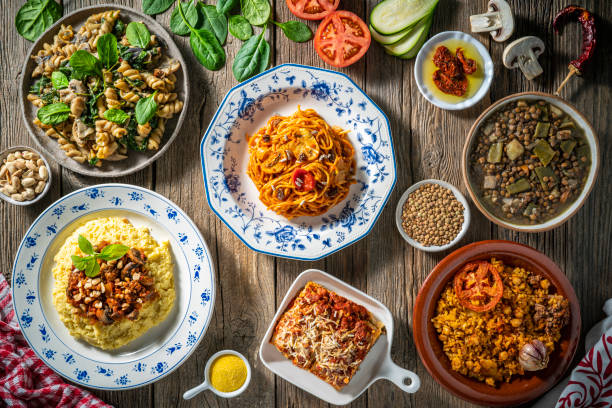
Fresh herbs like basil, oregano, parsley, and thyme are essential in Italian cuisine. Whenever possible, use fresh herbs rather than dried for a more vibrant flavor. If you don't have access to fresh herbs, dried herbs can be used sparingly, but remember that their flavor is more concentrated, so use them in smaller quantities.
Embrace Simplicity
Many traditional Italian dishes are simple yet incredibly delicious. Embrace the simplicity of dishes like pasta aglio e olio (pasta with garlic and olive oil), caprese salad (tomato, mozzarella, and basil), and bruschetta (toasted bread topped with tomatoes, garlic, and basil). Focus on highlighting the natural flavors of the ingredients rather than complicating the dish with too many elements.
Respect Regional Variations
Italian cuisine varies greatly from region to region, with each area having its own specialties and culinary traditions. Explore recipes from different regions of Italy and pay attention to the unique ingredients and techniques used in each. Whether it's creamy risottos from the north, hearty ragù from the south, or fresh seafood dishes from the coast, each region offers something special.
Don't Overcook Pasta
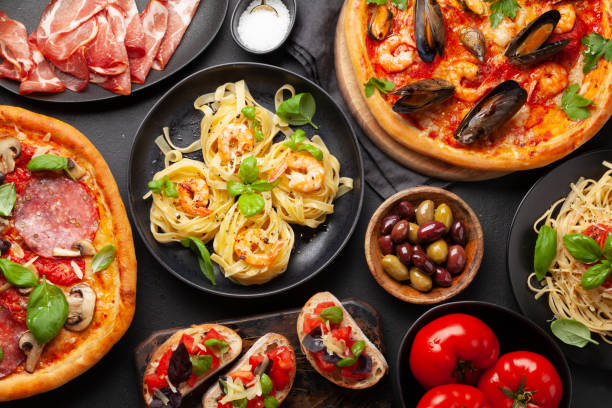
Italians take their pasta seriously, and overcooking it is a cardinal sin. Cook pasta incaciata just until it's al dente, meaning it's cooked through but still firm to the bite. Remember that pasta will continue to cook slightly after you've drained it, so it's better to err on the side of undercooking rather than overcooking.
Balance Flavors and Textures
A well-balanced Italian dish should have a harmonious combination of flavors and textures. Pair rich, creamy sauces with al dente pasta, or serve crispy bruschetta alongside a velvety tomato soup. Experiment with different combinations to find the perfect balance for your palate.
Finish with Fresh Cheese and Herbs
Many Italian dishes benefit from a finishing touch of fresh cheese and herbs. Sprinkle grated Parmigiano-Reggiano or Pecorino Romano over pasta dishes, garnish soups and salads with freshly torn basil or parsley, and drizzle extra-virgin olive oil over finished dishes for a final burst of flavor.
Practice, Practice, Practice
Like any cuisine, mastering Italian cooking takes practice. Don't be discouraged if your first attempts aren't perfect—keep experimenting, tasting, and refining your techniques. With time and practice, you'll develop the skills and confidence to create delicious Italian meals that rival those of your favorite trattoria.
By following these tips and techniques, you'll be well on your way to mastering the art of Italian cooking and delighting your friends and family with delicious homemade meals reminiscent of the Italian countryside. Buon appetito!
Replies