Things To Know About Compression Stockings
Because of their excessive thickness, tight and hard weaving, they prevent the skin from airing, they can be worn very hard, the rubber areas cause wounds on the skin, they cannot apply different pressure to different areas, and they are far from aesthetics, and people like 'grandma socks!' tried to stay away from the so-called 'classic compression stockings' for years, and the lives of those who had to use them were severely restricted. Today's 'gradual compression stockings', which have replaced the old compression stockings, have eliminated all these negative elements. Both the materials used and the knitting and production techniques used have made these new socks much more comfortable to use. Models such as knee-highs, knee-highs, crotch, pantyhose, open and closed fingers were produced.
What are graduated compression stockings?
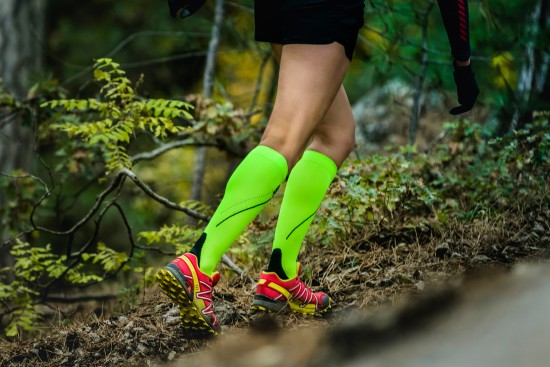
Gradual compression compression stockings are specially made, flexible socks that gently compress your leg, helping to increase circulation in your legs. The dirty blood in your leg veins should flow upward, towards the heart. Compression stockings apply some pressure towards your ankle and gradually reduce the pressure upwards in your leg. With the massage effect it creates in this way, it allows the blood to flow upwards from the ankle.

The amount of pressure exerted on your legs by Compression Stockings is defined as millimeters of mercury (mmHg).
Who uses compression stockings?
- Those who have a clot (DVT) or varicose veins in the deep veins of their legs. Or people with a family history of these diseases.
- Those who are planned to be treated for varicose veins and patients who have been treated.
- People who have just had surgery.
- Those who cannot get out of bed or have difficulty moving their legs.
- Those who do jobs that require sitting or standing still for a long time (vehicle drivers, teachers, etc.).
- Pregnant women.
- People who will make long air travels.
- All men and women who want the formation of capillaries in their legs as late as possible.
How to choose and use compression stockings?
Those who have a vein or lymphatic vessel disease in their legs and those who want to take precautions before getting sick should definitely consult a cardiovascular surgeon to understand what type of stocking they should buy. It should not be forgotten that there may be a problem in the legs that is ignored or not noticed, but may lead to more important pictures in the future and requires treatment. After determining the type of socks required, the 'size' to be purchased must be determined by measuring the diameter of the leg from different points.
They are of different types according to the pressure they provide and are used in different situations:
Class I Relaxing or slightly pressure socks: Those with fatigue in the feet and legs, mild edema, thin capillary varicose veins, those who lead a lifestyle that requires sitting/standing for a long time, and those who wish to use them for precautionary purposes.
Class II Medium pressure socks: In addition to those in the first group, those with moderate varicose veins, those who are treated for varicose veins, people with clots in the veins of their legs, and pregnant women.
There are many designs and colors that are available in compression stockings. With so many options out there, you're likely to locate a pair best plantar fasciitis socks that meet your personal style and preferences.
Class III High-pressure stockings: In addition to the first two groups, those with wounds on their legs due to varicose veins.
Anti-embolism stockings: It is aimed to reduce the risk of clot formation before and after surgical treatments.
What should be considered in long-term use?
As with any stocking, graduated compression stockings have a lifespan. This service life is lengthened or shortened by wearing off and washing and drying methods. Changes in leg diameters during the dressing process may also require a size change. For this reason, patients who use long-term socks should renew their socks in an average of 6 months.
Compression stockings worn after the legs are swollen can compress the leg like an hourglass. As a result, harm is seen rather than expected benefit.
How to wear compression stockings?
If your leg is noticeably swollen and/or the pain is severe, it may be difficult to use graduated compression stockings. To make them easier to wear, it is necessary to first reduce the swelling in your legs and ankles. Lie down first and raise your feet above the level of your heart for a few minutes. Then slip the socks over your feet as if you were wearing any type of socks.
Here are some tips for best results when using graduated compression stockings:
- Wear your graduated compression stockings every day as much as possible.
- Use rubber gloves to grip the fabric better.
- If you can't stand wearing socks all day, wear them for a few hours at a time and increase the time each day.
- First thing in the morning is to put on your compression stockings.
- The right choice and suitability is essential for it to be effective.
- Do not forget that your weight gain will affect the fit of your socks on your legs.
- Pay special attention to the washing instructions.
- Do not allow creases in socks.
- Do not cut or alter socks.
- Never fold the sock while it is on your leg.
- Remove socks if numbness or tingling occurs for a long time, or if a bluish pale color develops.
Remember that 80% of women and 40% of men will have varicose veins on their legs at some point in their lives. Even if wearing graduated compression stockings does not prevent the occurrence of this disease, it helps the problem to appear later.
Replies