The introduction of Heterocyclic compounds
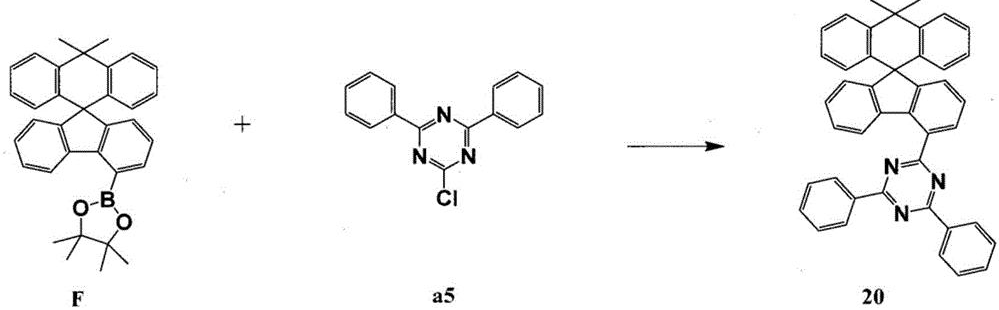
Heterocyclic compounds are organic compounds that contain heterocyclic structures in their molecules. In addition to carbon atoms, the atoms constituting the ring also contain at least one heteroatom. It is the largest class of organic compounds. The most common heteroatoms are nitrogen, sulfur, and oxygen. It can be divided into two categories: aliphatic heterocyclic ring and aromatic heterocyclic ring. Heterocyclic compounds are commonly found in the structure of drug molecules.
Concept
Heterocyclic compounds in cyclic organic compounds, when the atoms constituting the ring have other atoms besides carbon atoms, such cyclic organic compounds are called heterocyclic compounds. Non-carbon atoms are called heteroatoms. The most common heteroatoms are oxygen, sulfur and nitrogen. There can be one heteroatom or two or more heteroatoms in the heterocycle. The heteroatoms can be one type of atom or two different types of atoms. Like cycloalkanes, heterocycles can also be divided into two categories: aliphatic heterocycles and aromatic heterocycles. The aromatic heterocyclic ring system has a certain degree of stability and aromaticity. In general chemical reactions, the ring is not easy to break.
It is the largest type of organic matter. Heterocyclic compounds are widely found in nature, and most of the important compounds related to biology are heterocyclic compounds, such as nucleic acids, certain vitamins, antibiotics, hormones, pigments and alkaloids. In addition, a variety of heterocyclic compounds with various properties have been synthesized, some of which can be used as drugs, pesticides, herbicides, dyes, plastics, etc.
Classification
According to the number of carbon atoms
The most common heterocyclic compounds are five- and six-membered heterocyclics and benzoheterocyclic compounds. Five-membered heterocyclic compounds include furan, thiophene, pyrrole, thiazole, and imidazole and so on. Six-membered heterocyclic compounds include pyridine, pyrazine, pyrimidine, pyridazine and so on. Condensed ring heterocyclic compounds include indole, quinoline, pteridine, acridine and so on. Among heterocyclic compounds, the smallest heterocyclic ring is a three-membered ring; the most common is a five- or six-membered ring, followed by a seven-membered ring. The ring formation rules of heterocycles are the same as those of carbocyclic rings. The most stable and common heterocycles are also five-membered or six-membered.
According to aroma characteristics
Heterocyclic compounds can be divided into two categories: aliphatic heterocycles and aromatic heterocycles. Heterocyclic compounds without aromatic characteristics are called aliphatic heterocyclic compounds.
Heterocyclic compounds with aromatic characteristics are called aromatic heterocyclic compounds, and are referred to as heterocyclic compounds in ordinary times. Aromatic heterocyclic compounds can be divided into two categories: single heterocycles and fused heterocycles. Fused heterocycles are fused with a benzene ring and a single heterocycle or two or more single heterocycles.
Naming method
Heterocyclic compounds are often named by common names, and systematic naming is rarely used. System naming refers to naming based on the corresponding carbon ring as the parent. For example, a cyclopentadiene with two unsaturated bonds is called a molybdenum, and a corresponding heterocyclic compound, such as pyrrole, can be regarded as a result of substituting "NH" for the "CH2" in molybdenum. For nitrogen (hetero) Mao. By analogy, pyridine is called aza(hetero)benzene, quinoline is called aza(hetero)naphthalene, etc., but it is still customary to use common names.
The Chinese name of a heterocyclic compound is to indicate that it is a heterocyclic ring next to the spoken word, and the other half indicates the type of heteroatom. For example, pyran and thio are expressed as heterocyclic rings containing oxygen and sulfur respectively; and pyrrolidone, azole; oxazine, pyridine, and morpholine are expressed as heterocyclic rings containing nitrogen. These words are created based on the ending sounds of English words. It is expressed as a five-membered nitrogen-containing heterocyclic ring, and the rest refers to a six-membered nitrogen-containing heterocyclic ring. If there is more than one heteroatom, the number of the same heteroatom is represented by two, three, etc., for example, diazole, which means that the heterocyclic compound is a five-membered heterocyclic ring containing one oxygen and two nitrogen heteroatoms. Different atoms in the ring can be arranged in different ways. The position number of each atom when naming follows the following principles:
- Heterocycles containing only one heteroatom or more than one identical heteroatom, with the lowest number of heteroatoms;
- When two different heteroatoms are contained, the numbering sequence of the different heteroatoms is oxygen, sulfur, and nitrogen.
About us
Alfa Chemistry offers an extensive catalog of building blocks, reagents, catalysts, reference materials, and research chemicals in a wide range of applications. We also provide analytical services and laboratory services to our customers. Products listed on our website either are in stock or can be resynthesized within a reasonable period. Here are some of our products: Arsenic Compounds, Enol Ethers, Amine Oxides, Halosilane, etc.
Replies