The Importance of Regular Dental Checkups: 8 Vital Reasons You Shouldn't Skip
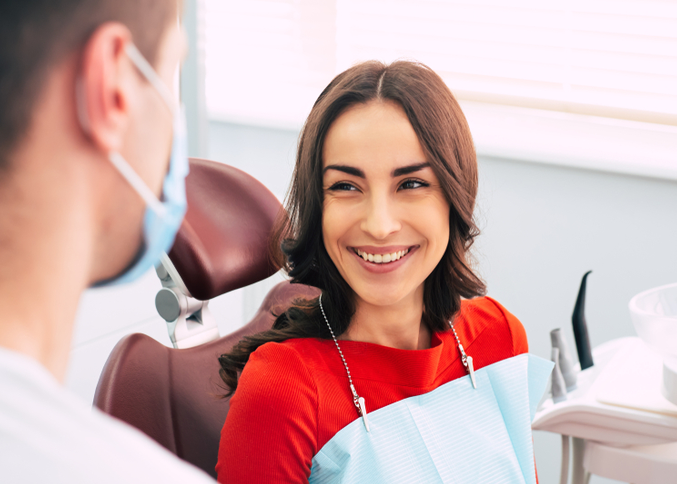
Maintaining proper dental habits and attending regular checkups are crucial for preventing minor dental issues from escalating into severe problems. In our fast-paced lives, it's common to only visit the dentist when faced with a severe dental concern. However, neglecting regular dental checkups can have dangerous side effects that should make you reconsider your decision. Let's explore these effects to emphasize the importance of routine dental care.
1. Plaque and tartar accumulation
Despite maintaining good oral hygiene, it's challenging to eliminate all bacteria from your mouth. Harmful bacteria combine with food residue, leading to the formation of dental plaque. If left untreated, plaque can transform into tartar, a hardened substance that irritates teeth and gums. Unlike regular cleaning routines at home, professional cleanings during dental checkups are essential to remove tartar and prevent enamel erosion.
2. Higher risk of gum disease
Gum disease, resulting from inflammation caused by plaque and tartar, poses a significant risk if not addressed promptly. Gingivitis, the initial stage, is reversible with proper care. However, neglecting regular checkups can allow the progression to moderate and severe periodontitis, causing irreversible damage to gum tissue and jawbone. Gum graft surgery may be necessary to address severe gum recession and improve the appearance of your smile. Treating gum disease at its early stages during routine checkups is crucial in preventing severe consequences, such as tooth loss and the need for extensive dental procedures.
3. Higher risk of tooth decay
Tooth decay occurs when the protective enamel layer is eroded by acidic elements produced in the mouth. Neglecting regular dental checkups increases the risk of tooth decay, as cavities may develop unnoticed. Routine exams enable dentists to detect cavities in their early stages, saving time and money on extensive dental treatments.
4. Bad breath
Improper dental hygiene contributes to bad breath, with sulfur-producing bacteria accumulating on the tongue and throat. Gum disease and tooth decay, which can result from neglecting regular checkups, are additional contributors to bad breath. Routine dental visits aid in preventing these conditions and maintaining fresh breath.
5. Higher risk of heart disease
Surprisingly, poor dental hygiene can impact heart health. Bacteria from tooth decay and gum disease can enter the bloodstream, leading to conditions like endocarditis (inflammation in the heart chambers and valves). Regular dental checkups play a crucial role in preventing the spread of harmful bacteria and reducing the risk of heart-related issues.
Also, visiting your dentists at least biannually for checkups comes with certain very important health benefits you probably shouldn't overlook. Some of these are highlighted in detail below:
6. Early detection of oral cancer
Regular dental checkups include screenings for oral cancer, a potentially life-threatening condition. Dentists are trained to identify early signs of oral cancer, such as unusual lesions or discolorations in the mouth. Detecting oral cancer in its initial stages significantly improves the chances of successful treatment. Skipping routine checkups means missing out on this crucial aspect of preventive care.
7. Prevention of teeth-grinding issues
Teeth grinding, or bruxism is a widespread problem that is frequently ignored. Your dentist can detect bruxism during routine dental examinations if you have worn-down teeth or jaw pain. Early treatment of this issue can reduce jaw pain, stop more tooth deterioration, and, in certain situations, the dentist may suggest a personalized mouthguard to stop your teeth from grinding as you sleep.
8. Customized oral health guidance
Everybody has unique needs when it comes to dental health. During routine dental visits, your dentist can provide you with individualized advice and assistance based on your unique oral condition, lifestyle, and habits. This customized advice benefits the overall condition of your teeth and gums. It may include product recommendations, brushing and flossing procedures, or answers to questions on diet and its effect on oral health.
Replies