The Impact of Climate on Sewer Services | Explained!
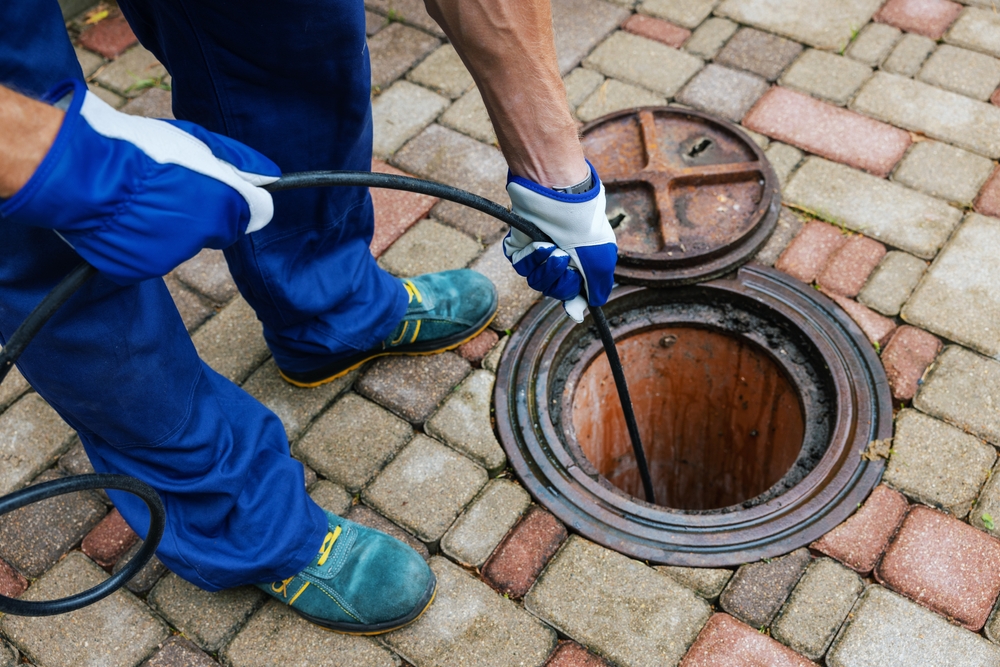
Climate change is increasingly recognized as one of the most significant global challenges of the 21st century. Its impacts are wide-ranging, affecting various aspects of human life and the natural environment. Among these impacts, the effect on sewer services is particularly noteworthy. Sewer systems are vital for urban infrastructure, and climate change poses significant challenges to their efficiency and reliability.
Extreme Weather Events and Sewer Systems
One of the most direct impacts of climate change on sewer services is the increase in the frequency and intensity of extreme weather events. Heavy rainfall, hurricanes, and floods can overwhelm existing sewer infrastructure. Many sewer systems are designed to handle average weather conditions, not the extreme variations that are becoming more common.
When rainfall exceeds the capacity of sewer systems, it can lead to overflows. These overflows can contaminate water supplies, damage property, and pose significant public health risks. Moreover, the increased volume of water can lead to erosion of sewer pipes and treatment facilities, reducing their lifespan and increasing maintenance costs.
Rising Temperatures and Sewer Infrastructure
Rising temperatures also have a significant impact on sewer services. Higher temperatures can accelerate the deterioration of sewer pipes and other infrastructure components. Materials like concrete and metal can expand and contract with temperature fluctuations, leading to cracks and breaks. Additionally, higher temperatures can increase the rate of biological processes within the sewer system, leading to faster buildup of sludge and other waste materials.
Sea Level Rise and Coastal Sewer Systems
Sea level rise is another critical aspect of climate change that affects sewer services, especially in coastal areas. As sea levels rise, coastal sewer systems are at risk of flooding and saltwater intrusion. Saltwater can corrode pipes and treatment facilities, reducing their effectiveness and lifespan. Flooding can lead to sewer overflows, similar to the impact of heavy rainfall, but with the added complexity of saltwater contamination.
Communities in low-lying coastal areas are particularly vulnerable to these effects. In some cases, entire sewer systems may need to be redesigned or relocated to cope with the changing conditions. This requires significant investment and long-term planning, posing challenges for municipalities and local governments.
Adaptation Strategies for Sewer Services
Given the significant impacts of climate change on sewer services, adaptation strategies are essential. These strategies involve both upgrading existing infrastructure and implementing new technologies to enhance resilience.
One effective strategy is the use of green infrastructure, such as permeable pavements, green roofs, and rain gardens. These systems help to manage stormwater at the source, reducing the burden on sewer systems. By allowing water to infiltrate the ground naturally, green infrastructure can mitigate the impact of heavy rainfall and reduce the risk of overflows.
Another approach is the upgrade of sewer systems to handle greater capacities. This can involve enlarging pipes, improving pumping stations, and enhancing treatment facilities. Advanced monitoring and control systems can also be implemented to better manage flows and detect issues before they become significant problems.
Policy and Planning for Resilient Sewer Services
Effective policy and planning are crucial for addressing the impacts of climate change on sewer services. Governments at all levels must prioritize investments in infrastructure resilience. This includes not only funding for upgrades and new technologies but also the development of comprehensive plans that consider future climate scenarios.
Collaboration between different levels of government, private sector stakeholders, and communities is essential. Public awareness campaigns can also play a vital role in promoting sustainable practices and garnering support for necessary investments.
Conclusion
Climate change presents significant challenges for sewer services, impacting everything from the frequency of overflows to the longevity of infrastructure. Adapting to these challenges requires a multifaceted approach that includes upgrading infrastructure, implementing green technologies, and developing robust policy frameworks. By taking proactive steps, we can ensure that sewer systems remain effective and resilient in the face of a changing climate, protecting public health and the environment.
Replies