The Effects of Periodontal Disease on Your Health
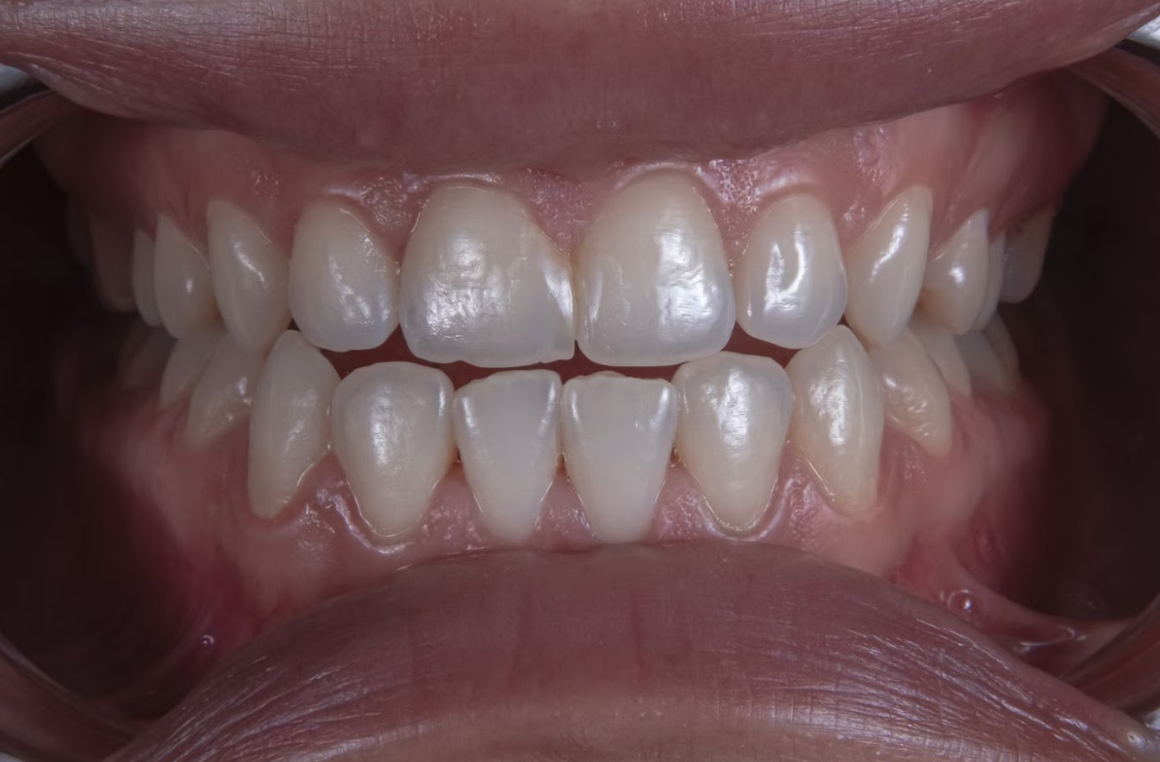
Periodontal disease, a major problem in dental health, refers to disorders that damage the tissues surrounding and supporting teeth. This illness spectrum includes gingivitis, which is characterized by gum inflammation, as well as periodontitis, which causes serious damage to surrounding tissue and bone, potentially leading to tooth loss.
Beyond oral health, periodontal disease has been linked to a number of systemic health conditions, emphasizing the need of oral hygiene not just for tooth health but also for general well-being. The goal of treatment is not just to cure dental disease, but also to help you understand how they affect your entire health.
Deeper Understanding of Periodontal Disease
Periodontal disease is caused by bacterial development in the mouth and begins with the formation of plaque on the teeth. If not managed properly, plaque hardens into tartar, exacerbating gum inflammation.
The progression from gingivitis to periodontitis marks a shift from minor gum inflammation to substantial destruction of the soft tissue and bone that support the teeth. This process emphasizes the vital need of quick intervention and treatment in preventing serious consequences.
The Systemic Effects of Periodontal Disease
New research emphasizes the relationship between periodontal disease and various systemic illnesses, shedding light on the larger implications of dental health for general health.
Cardiovascular Disease
The link between periodontal disease and an increased risk of cardiovascular disease is one of the most widely researched. Gum disease inflammation is thought to contribute to the development of atherosclerosis, which can lead to heart disease and stroke.
Diabetes
Periodontal disease and diabetes have a bidirectional relationship in which either can aggravate the other. The inflammation caused by gum disease might affect the body's capacity to use insulin, complicating diabetes treatment.
Respiratory Health
Aspiration of microorganisms from diseased gums into the lungs can cause respiratory disorders, emphasizing the need of dental health treatment to prevent pulmonary problems.
Pregnancy Outcomes
The link between periodontal disease and negative pregnancy outcomes, such as preterm birth and low birth weight, highlights the significance of oral health throughout pregnancy.
Neurological Health
The potential association between periodontal disease and neurological diseases such as Alzheimer's disease implies that mouth health may influence cognitive function and brain health.
Preventive Measures and Oral Hygiene Practices
Recognizing the relationship between periodontal disease and systemic health concerns promotes a proactive approach to dental care. Preventative measures, such as frequent dental checkups for cleanings and exams, are critical. Furthermore, practicing complete daily dental hygiene, such as brushing and flossing, can dramatically minimize the risk of periodontal disease. Lifestyle decisions like quitting smoking and eating a well-balanced diet help to avoid periodontal disease and its systemic effects.
The Role of Healthcare Professionals
The interaction of oral and systemic health necessitates a coordinated approach among healthcare specialists. Dentists and medical professionals are encouraged to engage in cross-disciplinary conversation, which improves patient treatment from a holistic health viewpoint. This collaborative approach is critical for teaching patients about the systemic hazards of periodontal disease and the significance of dental hygiene in overall health.
Looking Forward
As research into the relationship between periodontal disease and systemic health progresses, the need to maintain good oral hygiene grows. Individuals can take a proactive approach to lowering their risk of both oral and systemic disorders by receiving preventative dental treatment and making lifestyle changes.
Through collaborative efforts, healthcare practitioners can improve patient care by including oral health in the larger framework of systemic health management. This complete approach not only improves oral health outcomes but also aids in the avoidance of systemic problems, resulting in a genuinely holistic view of health and wellness.
Replies