The 3 Issues Your Dental Bridge May Be Causing
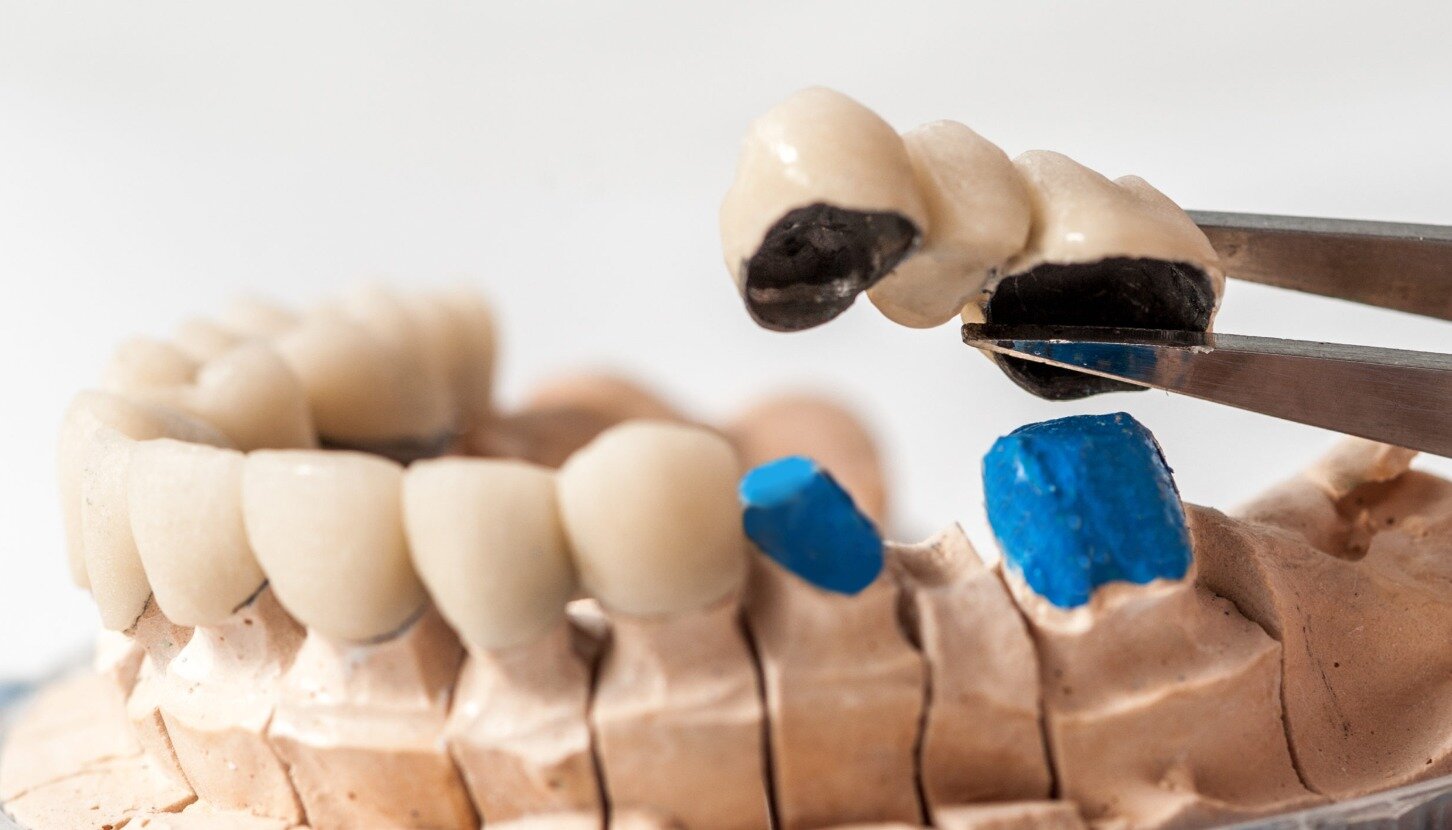
Dental bridges are an excellent option for replacing missing teeth or extracting teeth owing to disease. Your dentist may physically "bridge" the gap left by tooth loss by inserting two crowns on either side and a false tooth in the center.
Unfortunately, dental bridges do not have the same longevity as dental implants. This means that most patients who have bridges will eventually need to replace them.
Here are three concerns that can arise when you wear a dental bridge.
1. It Falls Out
Bridges must be a perfect fit over your teeth to provide strength and efficacy. When something does not fit properly, it is very likely to slip, shift, or fall out at the worst possible time. Poorly built bridges are a common source of this problem. Fortunately, your dentist may carefully check your permanent dental bridge numerous times after it arrives from the dental lab to ensure that it fits properly.
Please let them know if anything feels loose, because the bridge may pop off very quickly.
2. The Look or Feel Is Unnatural
The primary reason people acquire a dental bridge is to restore their confidence, which has been eroded by missing or rotting teeth. If your bridge appears unnatural, you will continue to feel self-conscious about your grin. Patients frequently complain about discolored bridges. Because the bridge does not match the color of their remaining teeth, it will not appear natural.
Also, bridges may not be properly aligned with the rest of your teeth, which can look unsightly. Many patients with dental bridges are dissatisfied because after spending a considerable sum of money for a bridge, they are left with painful or unsightly bridges rather than the natural-looking and feeling outcomes they deserve.
3. Tooth Decay Is Present
Maintaining proper oral hygiene is extremely crucial when you have a dental bridge. Bacteria can easily accumulate beneath the bridge's crowns, causing cavities to form. When the tooth under a crown decays, the bridge is no longer tightly anchored and may fall off. Specialized equipment is required to clean beneath the bridge, which will help it live longer by removing decay-causing germs.
How to avoid tooth decay under a bridge?
The recommendations for preventing tooth decay under a bridge are not much different from standard preventative dentistry counsel. The key conclusion is that, due to its location, your bride (and the surrounding environment) will require some extra attention. Here are the best tips:
- Maintain a thorough dental routine: Brush twice daily for two minutes each, and floss at least once a day. This should help keep the gums around your bridge clean. Use an oral irrigator or floss threaders to eliminate plaque that has accumulated beneath your bridge.
- If necessary, wear a nightguard: If you have bruxism or a similar condition, using a tailored nightguard can protect your bridge from harm.
- Choose your chews with care: Bridges are expensive to replace, therefore practicing attentive chewing pays well. First and foremost, avoid chewing hard candy or ice. For another reason, keep very crunchy chews—such as nuts or seeds—to the side of the mouth without the bridge.
- Visit the dental bridge dentist every six months: Everyone should do this, regardless of whether they own a bridge or not. If you detect any problems early enough, you may be able to avoid replacing your bridge entirely.
What to Keep in Mind With Your Dental Bridge
Dental bridges can be incredibly effective in replacing missing or decayed teeth, but like anything else, there are certain drawbacks. People who own bridges frequently encounter typical challenges that might impair the effectiveness and appearance of their structures. If you're thinking about obtaining dental bridges, keep an eye out for the issues stated above and consult your dentist to see if this restoration is the best fit for you.
Replies