Small Pet Nutrition: What You Need to Know
Small pets, such as hamsters, guinea pigs, hedgehogs, chinchillas, and sugar gliders, make wonderful companions. However, as their caretakers, it's important to understand their nutritional needs to ensure they stay healthy and happy. In this article, we'll cover some key aspects of small pet nutrition that you should know. Visit Caring Tiny Pets to get more info about small pets.
What to Feed Your Small Pet
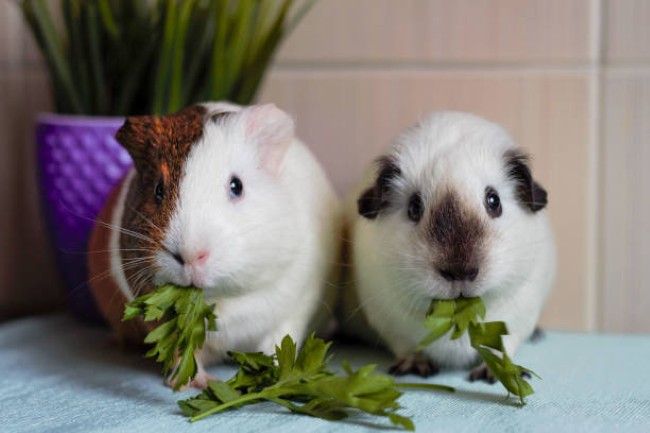
The first step in providing proper nutrition for your small pet is to understand what they need to eat. While each species has their own specific dietary requirements, here are some general guidelines to follow:
Hay: Hay is an essential component of the diet for many small pets, such as guinea pigs and chinchillas. It provides fiber that aids in digestion and keeps their teeth healthy. Timothy hay is a common choice, but there are other types of hay that can be fed as well, such as orchard grass and alfalfa.
Pellets: Pellets are another important part of the diet for many small pets. They provide essential vitamins and minerals that may not be present in other foods. Look for pellets that are specifically formulated for your pet's species.
Fresh vegetables and fruits: Many small pets can benefit from fresh vegetables and fruits in their diet. However, it's important to choose appropriate options that are safe for them to eat. For example, leafy greens like kale and spinach are great for guinea pigs, while grapes and apples can be fed in small amounts to hamsters.
Treats: While it's tempting to spoil your small pet with treats, it's important to choose options that won't harm their health. Avoid giving them sugary or high-fat treats, and opt for healthier options like small pieces of fresh fruits or vegetables.
How Much to Feed Your Small Pet
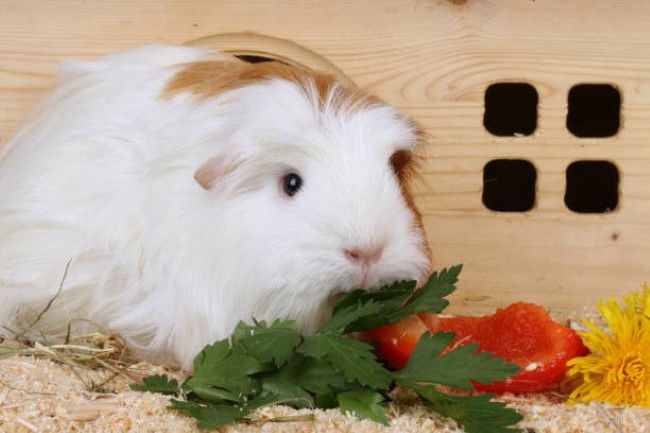
Knowing what to feed your small pet is only part of the equation. You also need to understand how much to feed them. Overfeeding can lead to obesity, which can cause health problems down the line.
As a general rule, most small pets should be fed a small amount of pellets (depending on their weight and species) and unlimited hay. Fresh vegetables and fruits should be given in moderation, and treats should only be given occasionally.
Consult with a veterinarian who specializes in small pet nutrition to get specific feeding recommendations for your pet based on their age, weight, and health status.
Water Requirements for Small Pets
Water is just as important for small pets as it is for humans. All small pets need access to clean, fresh water at all times. You can provide water through a water bottle or a shallow dish.
Check your pet's water supply regularly to ensure that it hasn't become contaminated or empty. Also, clean their water bottle or dish frequently to prevent bacteria buildup.
Special Nutritional Needs for Small Pets
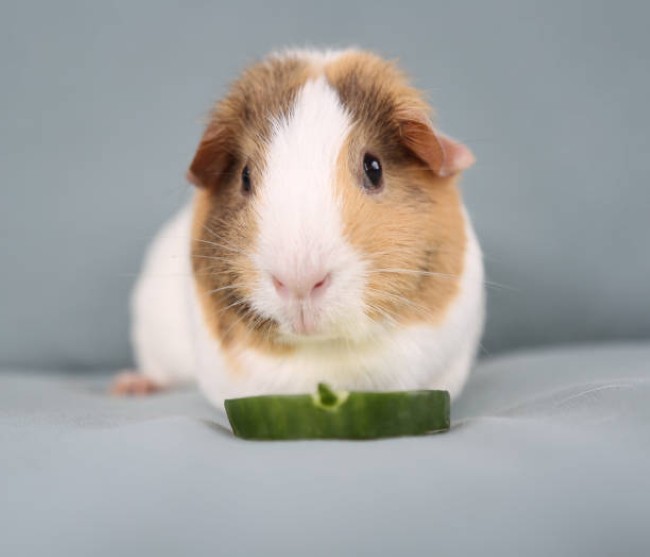
Some small pets have special nutritional needs that require extra attention. For example, hedgehogs require a high-protein diet that includes insects and other sources of animal protein.
Meanwhile, sugar gliders require a diet that is high in calcium and phosphorus. Talk to a veterinarian who specializes in small pets to get specific dietary recommendations for your pet.
Conclusion
In summary, proper nutrition is essential for the health and happiness of your small pet. Make sure you understand what your pet needs to eat, how much to feed them, and their water requirements.
Also, don't forget to consult with a veterinarian who specializes in small pet nutrition for specific recommendations based on your pet's individual needs. At CaringTinyPets, you can find comprehensive guides on topics like Hamsters, Guinea Pigs, Hedgehogs, Chinchillas, Sugar Gliders, and more. Trust the pros to provide the best advice for your small pet's nutrition.
Replies