Shutter Magic: Exploring Photography
Photography, the art of capturing light, has become an integral part of our lives. From the personal snapshots on our phones to the awe-inspiring landscapes on calendars, photography offers a window into the world and a way to preserve memories. But venturing beyond point-and-shoot photography can unlock a whole new creative dimension. Welcome to Shutter Magic, your guide to exploring the wonders of photography!
Unveiling the Essentials: Camera, Aperture, and Shutter Speed
The magic of photographer lies in manipulating light. Your camera acts as a light-trapping device, with the lens focusing incoming light onto a sensor that records the image. Two key settings on your camera control how much light reaches the sensor: aperture and shutter speed.
Aperture: Imagine the aperture as the iris of your eye. A wider aperture (lower f-number) allows more light in, creating a shallow depth of field (blurred background) ideal for portraits. Conversely, a narrower aperture (higher f-number) lets in less light but produces a deeper depth of field (everything in focus) perfect for landscapes.
Shutter Speed: This setting determines how long the sensor is exposed to light. A faster shutter speed freezes action, ideal for capturing moving subjects like athletes or wildlife. Slower shutter speeds allow more light in, useful in low-light situations, but can blur movement, creating a dreamlike effect for waterfalls or flowing traffic.
By understanding and experimenting with these settings, you can unlock a world of creative possibilities.
Mastering the Art of Composition: Rule of Thirds and Beyond
Composition, the arrangement of elements within the frame, is crucial for creating visually appealing photographs. The rule of thirds, a basic principle, divides the frame into a 3x3 grid. Placing your subject at the intersection points creates a more dynamic composition.
But composition extends beyond the rule of thirds. Leading lines, like a winding road or a staircase, can draw the viewer's eye into the image. Negative space, the empty areas around your subject, can add balance and emphasize the main focus. Experiment with different angles, like getting low to the ground for a dramatic perspective or shooting from above for a unique viewpoint.
Capturing Light: Understanding Lighting and Exposure
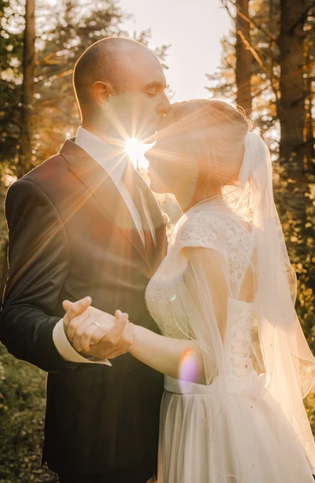
Light is the lifeblood of photography. Learning to "see" and understand light will elevate your photos. Natural light is often the most flattering, especially during the golden hour (just after sunrise or before sunset) when the light is soft and warm. Mastering artificial lighting, like studio strobes or available light from lamps, opens doors for creative indoor photography.
Exposure refers to the balance between aperture, shutter speed, and ISO (sensor sensitivity). A properly exposed photo will have the right amount of light, not too dark or too bright. Experimenting with exposure allows you to create different effects. Underexposing an image can create a moody atmosphere, while overexposing can be used for a high-key, airy feel.
Beyond the Basics: Exploring Different Photography Genres
The world of photography offers a wide variety of genres to explore, each with its unique challenges and rewards.
Portrait Photography: Capture the essence of a person, their emotions, and personality. Play with lighting, backgrounds, and posing to create stunning portraits.
Landscape Photography: Translate the beauty of the natural world into breathtaking images. Experiment with foreground elements, leading lines, and capturing the golden hour light for captivating landscapes.
Street Photography: Tell stories through candid captures of everyday life in public spaces. Learn to anticipate moments, frame creatively, and capture the essence of street culture.
Macro Photography: Explore the hidden world of tiny details. Invest in a macro lens or use close-up techniques to reveal the intricate beauty of flowers, insects, or everyday objects.
These are just a few examples. Whether you're drawn to wildlife photography, capturing fast-paced action sports, or documenting architectural details, there's a genre waiting to be explored.
Shutter Magic: The Journey Begins
Photography is a lifelong learning journey. Start with the camera you have, even a smartphone camera can capture stunning images. Explore the basic settings, experiment with composition, and practice capturing light. Read photography blogs, watch tutorials, and learn from the masters. Most importantly, have fun! Don't be afraid to experiment, make mistakes, and develop your unique photographic style.
With dedication and a dash of shutter magic, you can transform everyday moments into captivating photographs. So, grab your camera, step out into the world, and start exploring the magic of photography!
Replies