Retinal Detachment: Understanding, Symptoms, and Treatment
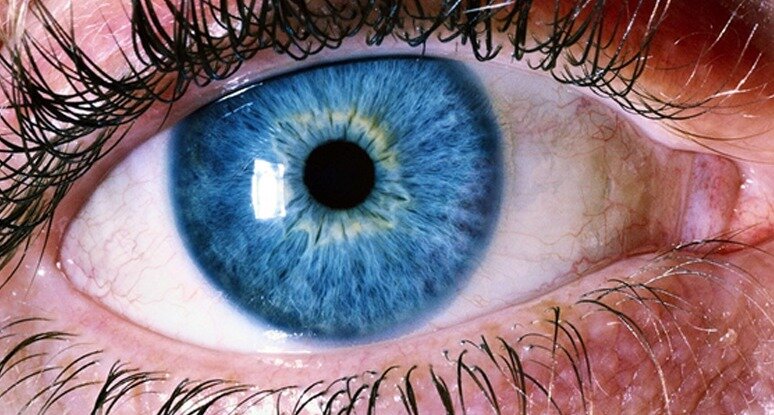
Retinal detachment is a serious health issue that requires medical attention. It is a pathological condition in which the retina becomes separated from its normal position at the back of the eye. If not appropriately treated, retinal detachment can lead to vision loss. This article will look at the causes, symptoms, and treatments for retinal detachment.
Causes of retinal detachment
Retinal detachment can develop for several reasons. One of the leading causes is a tear or tears in the retina, which can be caused by injury, age-related changes, or other medical conditions such as diabetic retinopathy or macular degeneration. Other causes may include eye tumors, inflammatory diseases, or genetic predispositions.
Symptoms of retinal detachment
Symptoms of retinal detachment can vary depending on how severe the condition is. Some common symptoms may include flashing lights, dark spots, the feeling of shadows or curtains in the visual field, and sudden blurring of vision in the center or periphery of the visual field. If you experience these symptoms, seeing an eye doctor as soon as possible is essential for diagnosis and treatment.
Diagnosis of retinal detachment
To diagnose retinal detachment, your ophthalmologist may perform several tests, including examining the fundus of the eye using a special lens and an instrument called a binocular loupe or spatula. Additional diagnostic methods, such as optical coherence tomography (OCT) or retinal angiography, may also be used to obtain more detailed information about the condition of the retina and its blood supply.
Treatment of retinal detachment
Retinal detachment treatment depends on the cause and severity of the condition. In some cases, surgical procedures such as scleral buccal ambulation, intraocular laser photocoagulation, or vitrectomy may be required to restore the retina to its normal position and prevent vision loss. In milder cases, conservative treatments, such as observation and regular examinations, may be prescribed to monitor the condition of the retina.
Consequences of retinal detachment
Complications of retinal detachment can be severe loss of vision in the affected eye. Retinal detachment can progress without proper treatment and lead to complete blindness in the affected eye. Even with surgery, there is a risk of remaining vision loss or developing other complications such as cataracts or glaucoma.
Psychological aspects of retinal detachment
Retinal detachment can have a significant psychological impact on the patient. Losing vision or being threatened with vision loss can cause feelings of worry, anxiety, depression, or social isolation. It is essential to support patients suffering from retinal detachment not only medically but also psychologically, offering them access to advice, psychological support, and group programs for people with vision loss.
Prevention of retinal detachment
Although some causes of retinal detachment, such as injury or age-related changes, can’t be prevented, specific steps can be taken to reduce the risk of developing this condition. These measures include regular eye exams to identify and treat potential eye problems, monitoring blood pressure and blood sugar levels to prevent the development of underlying medical conditions, and avoiding activities that can damage the eyes.
The bottom line
Retinal detachment is a serious condition that requires immediate attention. If symptoms of retinal detachment appear, it is essential to consult an ophthalmologist for diagnosis and treatment. With early detection and proper treatment, it is possible to prevent vision loss and maintain eye health.
This article provides an overview of the causes, symptoms, diagnosis, treatment, and prevention of retinal detachment. It is not a substitute for consulting a doctor; any questions or concerns about your eyes should be discussed with a medical professional. Following a healthy lifestyle and regular medical examinations can help maintain eye health and prevent the development of serious problems.
Replies