Reclaiming Active Lives: Exploring Hip and Knee Orthopaedic Techniques
Maintaining an active and fulfilling lifestyle is a cherished goal for many individuals. However, when hip or knee problems arise, it can significantly impact one's ability to engage in physical activities and enjoy life to the fullest. Orthopedic techniques for hip and knee conditions have come a long way, offering innovative solutions to help individuals reclaim their active lives. This article will explore these techniques, their benefits, and how they revolutionize orthopedic care.
The Rise of Hip and Knee Conditions
Hip and knee conditions are increasingly prevalent, affecting people of all ages. Factors such as aging, sedentary lifestyles, obesity, and injuries contribute to the development of these conditions. Standard hip and knee problems include osteoarthritis, rheumatoid arthritis, fractures, and ligament tears. These conditions often lead to pain, stiffness, limited range of motion, and decreased quality of life.
Hip Orthopaedic Techniques
One of the remarkable advancements in hip orthopedics is the development of minimally invasive hip replacement surgery. This technique involves making smaller incisions and using specialized instruments to access the hip joint. Compared to traditional open surgery, minimally invasive hip replacement offers several benefits. It results in less tissue damage, reduced pain, shorter hospital stays, and faster recovery. Patients who undergo this procedure experience improved joint function and a quicker return to their daily activities.
Anterior Approach Hip Replacement
Another notable technique in hip orthopedics is the anterior approach hip replacement. This approach involves accessing the hip joint from the front, avoiding detachment of muscles or tendons. Patients may experience reduced pain and quicker rehabilitation by preserving the surrounding tissues. Additionally, the anterior approach allows for accurate implant positioning, potentially improving long-term outcomes. This technique has gained popularity due to its potential for faster recovery and fewer post-operative precautions.
Orthopaedic Knee Techniques
For individuals with isolated knee joint damage, partial knee replacement offers a viable alternative to total knee replacement. This technique involves replacing only the damaged portion of the knee joint while preserving the healthy areas. By retaining the healthy tissue and ligaments, patients may benefit from improved joint stability and a more natural feeling. Partial knee replacement is associated with smaller incisions, reduced blood loss, and faster recovery times than total knee replacement.
Robotic-Assisted Knee Surgery
Robotic-assisted knee surgery has revolutionized the field of knee orthopedics. This innovative technique involves using a robotic arm to assist the surgeon during the procedure. The robotic system provides real-time data, allowing for precise planning and execution of the surgery. Robotic-assisted knee surgery offers improved implant positioning and alignment by enhancing accuracy and reducing human error. This can improve joint function, increase implant longevity, and overall patient satisfaction.
The Benefits of Advanced Orthopaedic Techniques
One of the primary advantages of advanced orthopedic techniques is their ability to provide enhanced precision and accuracy during surgical procedures. Minimally invasive techniques, anterior approach hip replacement, partial knee replacement, and robotic-assisted knee surgery offer improved implant positioning and alignment. This precision improves joint function, decreases complications, and improves long-term outcomes.
Faster Recovery and Rehabilitation
Another significant benefit of these techniques is the potential for faster recovery and rehabilitation. Minimally invasive procedures result in smaller incisions, less tissue damage, and reduced post-operative pain. Additionally, techniques such as the anterior approach hip replacement and partial knee replacement preserve healthy tissues, enabling quicker rehabilitation. Robotic-assisted knee surgery aids in precise execution, potentially reducing recovery and allowing patients to return to daily activities sooner.
Improved Quality of Life
The ultimate goal of orthopedic techniques for the hip and knee is to improve the quality of life for individuals suffering from joint conditions. By reducing pain, restoring joint function, and increasing mobility, these techniques enable individuals to engage in activities they enjoy. Whether walking, running, playing sports, or simply carrying out daily tasks, advanced orthopedic techniques empower people to reclaim their active lives and experience renewed well-being.
Conclusion
Orthopedic techniques for the hip and knee have evolved significantly, providing individuals with innovative solutions to reclaim their active lives. Minimally invasive procedures, anterior approach hip replacement, partial knee replacement, and robotic-assisted knee surgery are among the techniques that have transformed orthopedic care. These advancements offer enhanced precision, faster recovery, and improved quality of life for patients. Individuals with hip and knee conditions must consult with knee specialists in 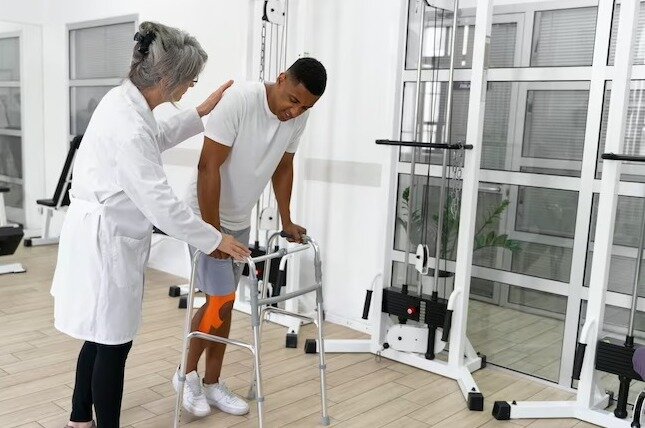 Singapore to explore the most suitable options as the field progresses. By embracing these techniques, individuals can reclaim their active lives and enjoy a future filled with mobility and vitality.
Replies