Pulmonary Embolism: How to Diagnose and Treat
If you feel clammy, have chest pains that might extend to other areas of the body, feel faint, have an irregular heartbeat, anxious, and rapid breathing, then you may have a pulmonary embolism. Also known as PE, pulmonary embolism refers to the condition whenever a blood clot forms in the lungs and stops the natural flow of blood.
Once you notice some of these signs and symptoms, then it’s recommended to visit a health care professional or your doctor to help you acquire a proper diagnosis and treatment to the condition as soon as possible. Albeit most patients diagnosed with PE won’t have much to worry about because the clot formation is too small. However, if left alone and untreated, then it can worsen the complication.
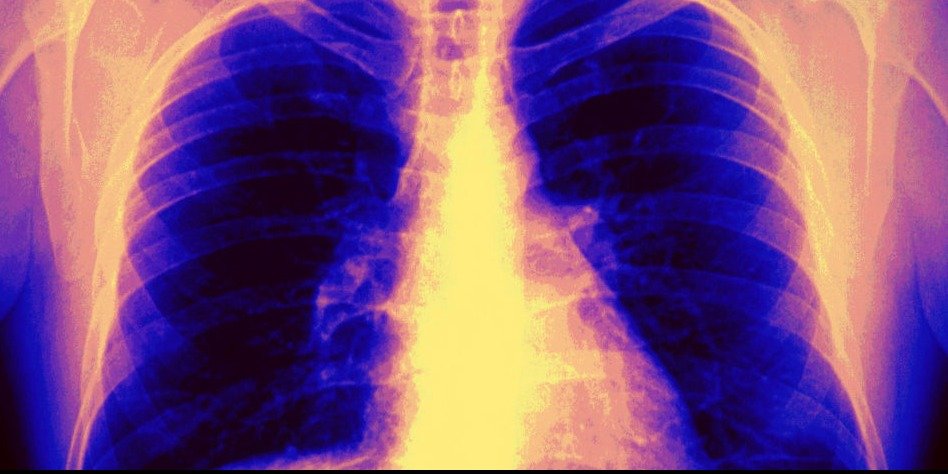
Pulmonary Embolism Diagnosis Procedures
Even though most cases of PE are easily diagnosed, there are some instances wherein the condition might be tough to identify. This difficulty takes place if there is an underlying heart or lung condition exhibited by the patient. For example, high blood pressure or emphysema can cause PE diagnosis to be tougher than initially intended. As such, if you visit a doctor to have yourself examined for PE, they'll ask you if you have any pre-existing health conditions. A doctor will generally perform one or more medical examinations to discover the true cause of the symptoms you may be feeling at the moment. Some of these tests include the following: chest X-ray, MRI, CT scan, electrocardiography (ECG), venography, D-dimer test, and duplex venous ultrasound.
Pulmonary Embolism Treatment
The treatment for a PE depends on the location and size of the blood clot. If the clot is small and minor, and it's caught at an early stage, then the doctor might just recommend some medications as treatment. There are some medicines that can help in breaking up the blood clots, such as thrombolytics (blood clot dissolvers) and anticoagulants. However, if the blood clot is severe and problematic, then surgery might be a requirement. Some of the surgical procedures that a doctor might recommend if there's a case of severe PE include the following: clot removal, vein filter, and open surgery.
Additional Care for Pulmonary Embolism
After proper treatment is accomplished, you'll then be advised to treat any or all of the underlying causes of PE. Therefore, even if you've already undergone open surgery to remove severe blood clotting in either the heart or lungs, you'll still most likely need to take anticoagulant medications to prevent the resurfacing of the medical ailment. The doctor might also require you to wear compression stockings or any other device to prevent blood clots from forming in your legs.
Aside from what the doctor might recommend in the form of medical treatment to cure PE, it’s advised to regular exercise the legs as it’s a vital element of therapy after dealing with the condition. To heighten the chances of Blood Clot In Lung Survival Rate, it’s important to seek medical attention as soon as possible when a sign or symptom takes place.
Replies