Pros and Cons of Dentures That You Should Know About
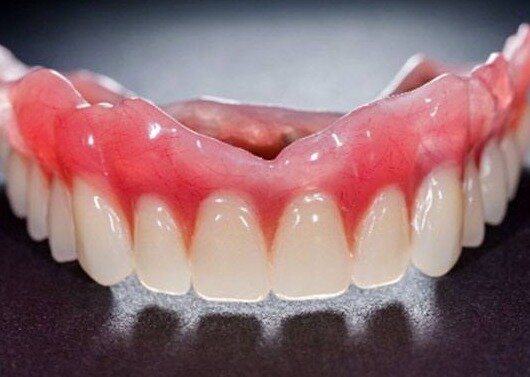
Dentures are one of the most popular and widely used prosthetic devices for tooth replacement. They have existed for hundreds of years and have developed greatly through time. While dentures can be an excellent choice for people who have lost their natural teeth, there are several advantages and disadvantages to consider before getting them.
Pros of dentures
Dentures can be a great option for many people. Their advantages include:
Improved appearance
Dentures may help in the restoration of your smile and facial structure. Missing teeth can cause your facial muscles to droop, giving you an older appearance. Dentures can make you seem younger by filling up the gaps in your mouth.
Improved chewing ability
It might be tough to chew appropriately and enjoy your favorite meals when you are lacking teeth. Dentures can enhance your general health and quality of life by restoring your ability to chew and eat a wide variety of foods.
Affordable option
Dentures are less expensive than many other forms of dental prostheses. They are often covered by dental insurance, which makes them more affordable for people on a variety of budgets.
Easy maintenance
Dentures are quite simple to clean and care for. They may be removed for cleaning and soaking, which may be helpful in the prevention of oral health problems including gum disease and tooth decay.
Cons of dentures
However, dentures can have certain disadvantages. They are:
Difficulty with speech
It may take some time to get used to speaking with dentures in your mouth when you first use them. As a result, you may have slurred speech or trouble pronouncing particular words. However, most people can adjust to speaking with dentures with practice and patience.
Discomfort and irritation
Ill-fitting dentures can cause discomfort and irritation by rubbing against your gums. This can be especially problematic for people who have sensitive gums or other oral health conditions. It is critical to cooperate with a dentist to guarantee a good fit and to alleviate any discomfort or irritation.
Decreased taste sensation
Dentures might impair your ability to taste and enjoy meals. This is because the plastic used for constructing dentures might interfere with your tongue's taste senses. However, other people consider this as a small inconvenience that they can easily overcome.
Requires adjustment period
It may take some time to become accustomed to wearing dentures. During this period of adjustment, you may suffer discomfort or trouble eating and speaking. To treat any concerns that occur, it is critical to be patient and to collaborate closely with your dentist.
Possible bone loss
Wearing dentures might cause bone loss in your jaw over time. This is due to the fact that dentures don't stimulate the bone in the same way that real teeth do. This might cause a sunken appearance on your face and make wearing dentures more challenging. However, there are remedies to this problem, such as implant-supported dentures, which can help prevent bone loss and maintain your facial structure.
The bottom line
Dentures can be an excellent alternative for individuals who have lost their natural teeth, but they don't come without problems. They can improve your look and chewing skills, but they can also cause discomfort, interfere with speaking, and disrupt taste sensations. Before making a decision, it is critical to thoroughly assess the benefits and drawbacks of dentures.
If you decide on buying dentures, it is critical to collaborate with your dentist to guarantee a perfect fit and to address any concerns or complications that may emerge. Dentures may be a comfortable and functional replacement for missing teeth with the right upkeep and care.
Replies