Pros and Cons of Dental Bridges
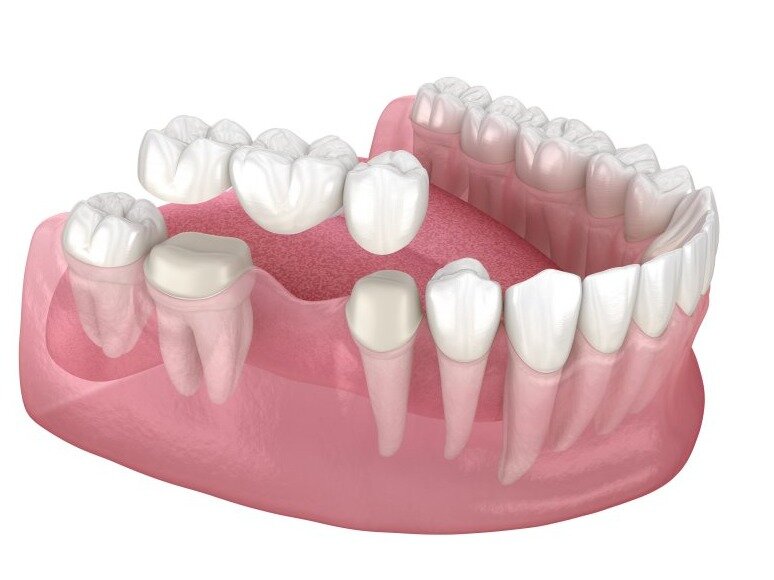
A beautiful smile is a valuable asset, and dental bridges have long been reliable for replacing lost teeth and improving oral aesthetics. Dental bridges can be used instead of dental implants or dentures. However, like every dental surgery, they have their own benefits and drawbacks. In this article, we will explore the pros and cons of dental bridges to help you decide whether this option is right for your dental needs.
Pros of dental bridges
Improved aesthetics
The ability of a dental bridge to improve your smile's appearance is one of its biggest benefits. Bridges are created to match the color, shape, and size of your natural teeth, resulting in a seamless and aesthetically beautiful outcome. Bridges may restore your smile to its former glory by filling up gaps created by missing teeth, enhancing your confidence and self-esteem.
Restored functionality
Dental bridges not only improve the appearance of your teeth but also increase their functionality. When teeth are missing, chewing, speaking, and maintaining good dental alignment might be difficult. Bridges help in distributing biting forces equally between nearby teeth, allowing for comfortable eating and speaking.
Durability
When properly cared for, dental bridges can last a long period, often 10 to 15 years or more. When compared to some other tooth replacement options, their durability makes them a more affordable choice. Regular dental check-ups and proper oral hygiene habits will help your bridge last longer.
Minimally invasive procedure
Getting a dental bridge is less invasive than dental implants, which need surgical implantation into the jawbone. The procedure includes preparing the neighboring teeth (abutment teeth) for crowns and connecting the bridge to them. This usually leads to a quicker and less painful healing phase.
Cost-effective
Dental bridges are frequently less expensive than dental implants, making them a good choice for people on a tight budget. While the initial cost may be lower, it is critical to consider the long-term maintenance and future replacement expenses while making your choice.
Cons of dental bridges
It involves altering healthy teeth
The surrounding teeth (abutment teeth) must be affected or shaved down to accommodate the crowns that hold the bridge in place in order. This procedure requires the removal of a portion of the enamel from these healthy teeth. While it is required for the bridge's stability, it can weaken the abutment teeth and raise the risk of future dental problems.
Potential for tooth sensitivity
Some patients may notice significant dental sensitivity once the abutment teeth are prepped, particularly hot or cold foods and drinks. Although this sensitivity will subside, it can be unpleasant during the initial adjustment period.
Limited lifespan
Dental bridges can last a decade or more with proper maintenance, although they are less reliable than dental implants. The bridge may wear down with time, and the supporting teeth could suffer from increasing stress, possibly requiring replacement or additional dental work.
Difficulty in cleaning
Dental bridges should be cleaned thoroughly to prevent food particles and plaque from accumulating between the artificial tooth and the gumline. Special floss threaders or interdental brushes may be required for proper cleaning, which can be time-consuming and effort-intensive.
Risk of decay and gum disease
Inadequate oral hygiene or cleaning issues can increase the risk of tooth decay and gum disease. Microorganisms proliferate if the region beneath the fake tooth is not adequately cleaned. Regular dental exams and thorough cleanings are essential for reducing these risks.
Not suitable for everyone
Dental bridges may not be suitable for everyone. People with particular dental issues or who lack healthy teeth for support may benefit from alternative treatments such as dental implants or removable dentures. A complete dental examination is crucial to determine the best solution for your case.
Replies