Pros and Cons of ADHD Treatments
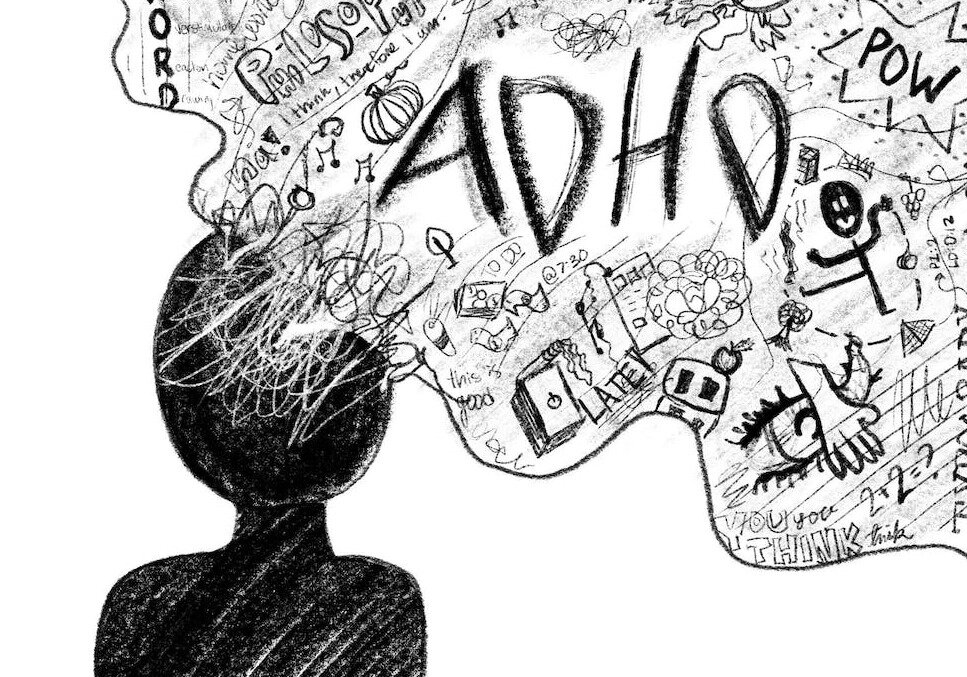
Attention Deficit Hyperactivity Disorder (ADHD) is a neurodevelopmental condition that affects both children and adults, impacting their ability to focus, control impulses, and manage hyperactivity. Managing ADHD requires a diverse strategy, with a variety of treatments available to alleviate symptoms. In this article, we will explore the pros and cons of different ADHD treatments, shedding light on the complexities of navigating this challenging terrain.
Medication-based treatments
Pros
Improved focus and attention
Stimulant medications like methylphenidate (Ritalin) and amphetamine (Adderall) are often used to improve concentration and reduce impulsivity in people with ADHD. Many patients report considerable improvements in their ability to concentrate on tasks.
Rapid onset of action
Medications usually provide immediate relief, with some people seeing beneficial results within the first few hours of use. This instant reaction can benefit people looking for quick symptom alleviation.
Well-documented efficacy
Stimulant medications have been thoroughly studied and backed by an extensive amount of research demonstrating that they are effective in treating ADHD symptoms. However, you shouldn’t use medications unsupervised. Search for "ADHD doctor near me " to evaluate your condition and determine the best option.
Cons
Side effects
Stimulant medications can cause insomnia, loss of appetite, and a fast heartbeat. Long-term usage may also be related to cardiovascular and psychological concerns, while research into these areas is ongoing.
Dependency and abuse
Stimulant medications have the potential for abuse and dependency, particularly among non-ADHD people seeking cognitive enhancement. This raises concerns regarding the abuse of these medications and the necessity for close supervision.
Individual variability
People's responses to medical treatments might vary dramatically. Finding the appropriate amount and type of medication can be a trial-and-error process, and not everyone sees the same degree of relief.
Behavioral therapies
Pros
Skill development
Behavioral treatments, such as cognitive behavioral therapy (CBT) and behavior modification, aim to educate people with ADHD on practical methods for managing their symptoms. It can involve organizational tactics, time management techniques, and coping mechanisms for impulsive behavior.
Long-term benefits
Behavioral therapies, unlike medication-based treatments, seek to provide patients with long-term skills that they may use throughout their lives. This strategy addresses the underlying causes of ADHD symptoms rather than providing momentary relief.
Minimal side effects
Behavioral treatments have fewer side effects than medications, making them a better alternative for people seeking a non-pharmacological treatment approach.
Cons
Time-consuming
Significant changes through behavioral therapy often require time and constant effort. This can be difficult for people seeking immediate treatment or those with limited money for extended therapy sessions.
Limited accessibility
Access to effective behavioral treatment may be restricted due to factors like location, cost, or a lack of skilled specialists. This can be problematic for people seeking this particular type of treatment.
Not a one-size-fits-all solution
Behavioral treatments should be adjusted to each individual's requirements, so what works for one person may not work for another. Personalization is critical for success, but it may complicate the process.
Lifestyle modifications
Pros
Holistic approach
Lifestyle changes include diet, physical activity, and sleep patterns, providing a comprehensive approach to addressing ADHD symptoms. These changes can improve general well-being and may complement other treatment options.
Fewer side effects
For individuals looking for a more natural and lasting approach, implementing changes to their lifestyles is an appealing alternative because it usually involves fewer side effects than using medications.
Potential long-term benefits
Adopting a healthy lifestyle can have long-term benefits for ADHD symptoms and general mental health. Regular exercise, proper nutrition, and sufficient sleep can help create a supportive atmosphere for people with ADHD.
Cons
Compliance challenges
Maintaining persistent lifestyle changes can be difficult, especially when dealing with the everyday pressures of work, school, or other obligations. Maintaining these improvements over time may need significant work and dedication.
Varied effectiveness
The effect of lifestyle changes on ADHD symptoms differs among people. While some may notice major benefits, others may find these changes have a relatively minor impact.
Lack of standardization
Unlike medications and many treatment techniques, lifestyle changes have no established recommendations. This can make it challenging to decide on the best methods for your particular case.
The bottom line
Choosing the best ADHD treatment is a difficult issue that should be carefully considered based on the individual's particular requirements, preferences, and circumstances. The advantages and disadvantages of each treatment option emphasize the multidimensional nature of ADHD management and the significance of a tailored strategy.
Replies