Oxygen Therapy At Home: Safety Tips
Oxygen Therapy At Home can help patients who have low blood oxygen levels because of certain medical conditions. When prescribed by a qualified healthcare professional, home oxygen treatment allows eligible patients to receive respiratory support in a familiar environment. However, using oxygen equipment correctly and following safety precautions are essential for protecting patients, family members, and caregivers.
Doctor At Home In Dubai may be a relevant option for people seeking convenient medical consultations and respiratory assessments at home. A healthcare professional can evaluate symptoms, review oxygen readings when appropriate, and determine whether further testing or prescribed oxygen treatment is necessary. Patients should never start oxygen therapy or change their prescribed oxygen flow without professional guidance.
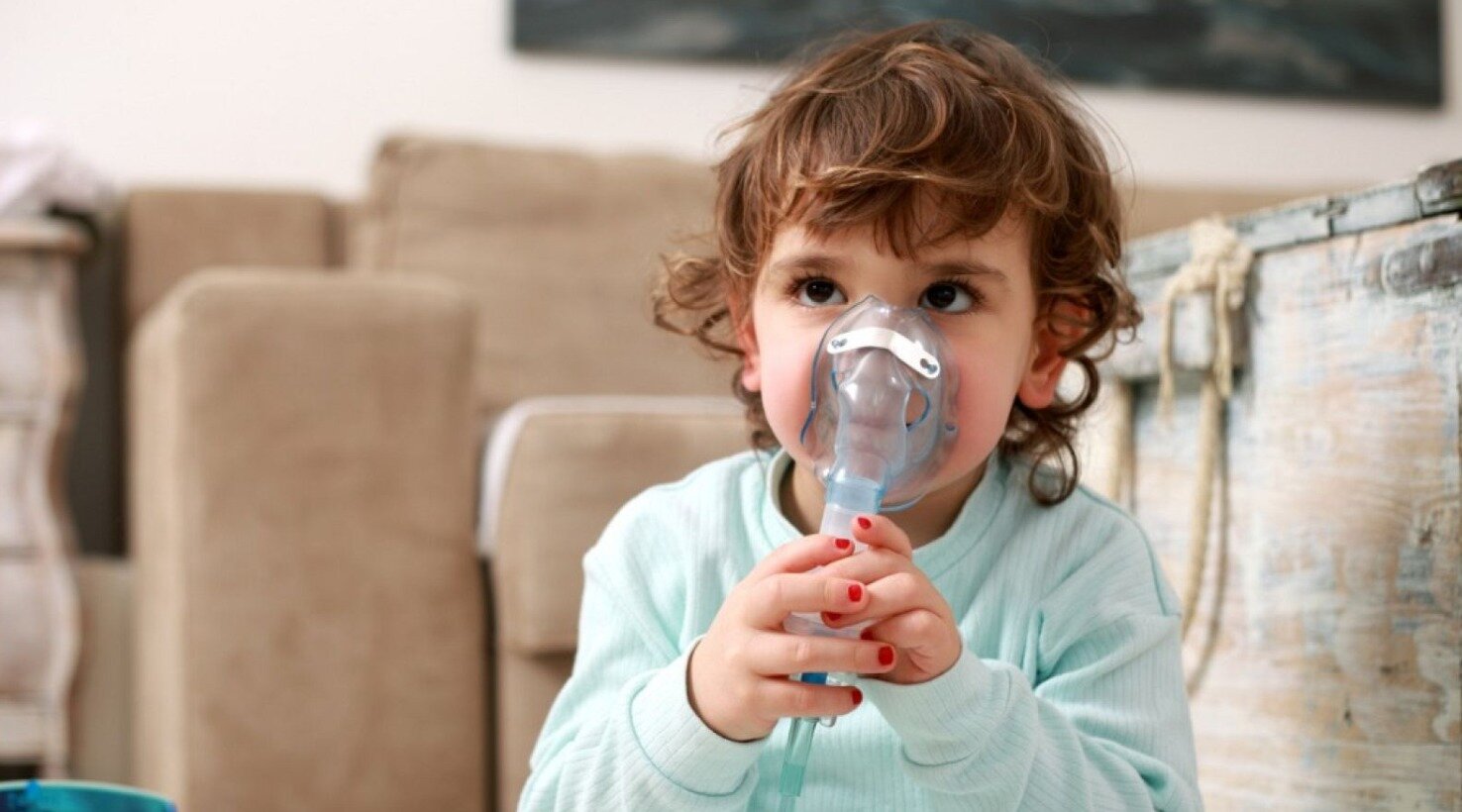
Why Is Oxygen Therapy At Home Safety Important?
Medical oxygen supports patients who cannot maintain adequate blood oxygen levels independently. Although oxygen is not flammable itself, it makes other materials ignite more easily and causes fires to burn more intensely. A small flame or spark can therefore become much more dangerous around oxygen equipment.
Safe treatment also involves using the correct equipment, following the prescribed flow rate, keeping devices in good working condition, and recognising when medical assistance is needed. Patients and caregivers should understand these responsibilities before beginning home oxygen therapy.
Essential Fire Prevention Tips
Keep Oxygen Away From Flames
Never smoke while using oxygen, and do not allow anyone to smoke near a person receiving oxygen treatment. Keep oxygen equipment away from candles, gas stoves, fireplaces, cigarettes, and other sources of flames or sparks. Follow the oxygen supplier's instructions about the required distance from heat sources.
Avoid using oxygen equipment near open flames, and inform household members and visitors about the safety rules. Place visible no-smoking reminders near the treatment area when appropriate.
Use Electrical Equipment Carefully
Electrical appliances can sometimes produce sparks or become hot during operation. Keep oxygen equipment away from damaged electrical cables, faulty sockets, and unsafe appliances. Follow the manufacturer's instructions for using concentrators and other devices, and have electrical problems checked by a qualified professional.
Avoid Flammable Products
Do not use petroleum jelly, oil-based lubricants, or other potentially flammable products near oxygen equipment unless a healthcare professional confirms they are suitable. Ask a pharmacist or clinician about safer alternatives for dry skin or nasal discomfort.
Use the Prescribed Oxygen Flow Rate
One of the most important Oxygen Therapy At Home safety rules is to follow the exact treatment instructions provided by the healthcare professional. The prescribed flow rate and duration depend on the patient's condition and medical assessment.
Increasing oxygen flow without medical advice can be dangerous for some patients, particularly those with certain chronic respiratory conditions. Reducing the flow or stopping treatment without guidance can also lead to inadequate oxygen levels.
If the patient continues to experience breathlessness despite using oxygen as prescribed, contact a healthcare professional for advice. Do not assume that increasing the flow will solve the problem, because breathlessness can have several causes.
Handle Oxygen Equipment Correctly
Oxygen Concentrators
Oxygen concentrators draw in surrounding air and concentrate the oxygen before delivering it to the patient. Keep the device in a well-ventilated area and avoid blocking its air inlets or outlets. Follow the manufacturer's instructions for cleaning filters, maintaining the equipment, and responding to alarms.
Concentrators require electricity, so patients who depend on them should discuss power interruptions and backup arrangements with their healthcare provider or oxygen supplier.
Oxygen Cylinders
Oxygen cylinders contain compressed medical oxygen and require careful handling. Keep cylinders secured in the recommended position, protect them from damage, and store them according to the supplier's instructions. Never attempt to repair a cylinder valve or regulator yourself.
Check the remaining oxygen supply as instructed, especially before travelling or during periods when replacement supplies may be difficult to obtain. Patients who need continuous oxygen should ask their healthcare team about an appropriate backup plan.
Nasal Cannulas and Masks
Nasal cannulas and oxygen masks must be used according to the prescribed treatment plan. Check tubing for visible damage, kinks, or disconnections, and follow instructions for cleaning and replacing reusable components.
If the equipment causes persistent discomfort, skin irritation, or pressure marks, contact a healthcare professional. Do not modify the equipment in a way that could affect oxygen delivery.
Keep the Home Environment Safe
A well-organised treatment area can reduce avoidable risks. Keep oxygen tubing away from stairs, doorways, and walking paths to minimise the risk of falls. This is especially important for elderly patients and people with mobility difficulties.
Keep equipment away from direct heat, excessive moisture, and areas where it could be knocked over. Ensure that caregivers and household members know where the equipment is stored and how to contact the oxygen supplier if a problem occurs.
Patients and caregivers should also understand the home's fire safety plan. Follow local fire safety guidance and any additional instructions provided by the oxygen supplier.
Monitor Symptoms and Oxygen Levels
Patients may be advised to use a pulse oximeter to monitor blood oxygen saturation. However, a pulse oximeter does not replace a medical assessment, and its readings may be affected by cold fingers, movement, poor circulation, nail polish, and other factors.
Follow the oxygen target range provided by the healthcare professional rather than relying on a general target for everyone. Keep a record of readings if requested and report persistent readings outside the prescribed range.
Pay attention to changes in breathing, alertness, activity tolerance, and general condition. A normal-looking oxygen reading should not be used to dismiss severe symptoms.
What to Do During an Oxygen Equipment Problem
If a concentrator stops working, a cylinder becomes empty, or an alarm sounds, follow the instructions provided by the equipment supplier. If a prescribed backup supply is available, use it only as instructed. Contact the supplier or healthcare professional for technical assistance.
If the patient develops severe breathing difficulty, chest pain, blue or grey lips, fainting, or new confusion, seek emergency medical assistance immediately. Do not delay emergency care while trying to repair the equipment or adjust the oxygen flow.
The Importance of Regular Medical Follow-Up
Home oxygen requirements can change as a patient's health changes. Regular reviews allow healthcare professionals to assess symptoms, check whether the prescription remains appropriate, and address equipment or safety concerns.
Patients should attend recommended appointments and report new symptoms or difficulties following their treatment plan. Never share oxygen equipment or use another person's prescription, because oxygen needs differ between individuals.
Conclusion
Oxygen Therapy At Home can be an important part of care for people who require supplemental oxygen, but safe use depends on following medical instructions and maintaining the equipment correctly. Preventing fires, securing cylinders, keeping tubing organised, and monitoring symptoms can reduce avoidable risks.
Patients and caregivers should understand the prescribed flow rate, equipment operation, emergency procedures, and follow-up requirements. With proper medical supervision and consistent safety practices, home oxygen treatment can be managed more responsibly and confidently.
Replies