Overview of a Successful Military Housing Rental Program
Military housing rental programs play a vital role in supporting service members and their families by providing safe, affordable, and well-maintained accommodations near military installations. A successful program not only meets the unique housing needs of military personnel but also operates efficiently and sustainably, balancing operational excellence with resident satisfaction. Understanding the essential components of such a program helps military housing managers create environments that contribute to overall mission readiness and quality of life.
Clear Eligibility and Allocation Procedures
A key factor in any military housing rental program is a transparent and equitable system for allocating housing units. Programs must adhere to military policies that often prioritize assignment based on rank, family size, and length of service. A clear eligibility framework prevents confusion and fosters trust among residents. Automated allocation tools integrated with military personnel databases can streamline the assignment process and reduce administrative burden.
Comprehensive Lease Management
Military housing programs typically handle high turnover due to PCS moves and deployments. Effective lease management includes flexible lease terms, provisions for early termination due to military orders, and easy renewal processes. Digital lease signing and online portals allow residents to manage their leases conveniently, improving satisfaction and reducing paperwork for administrators.
Responsive Maintenance and Facilities Management
The quality and upkeep of housing units directly impact resident well-being and retention. A successful program implements a proactive maintenance schedule to prevent issues and responds promptly to repair requests. Utilizing maintenance management software helps track work orders, prioritize urgent repairs, and maintain clear communication with residents throughout the process.
Resident Support and Communication
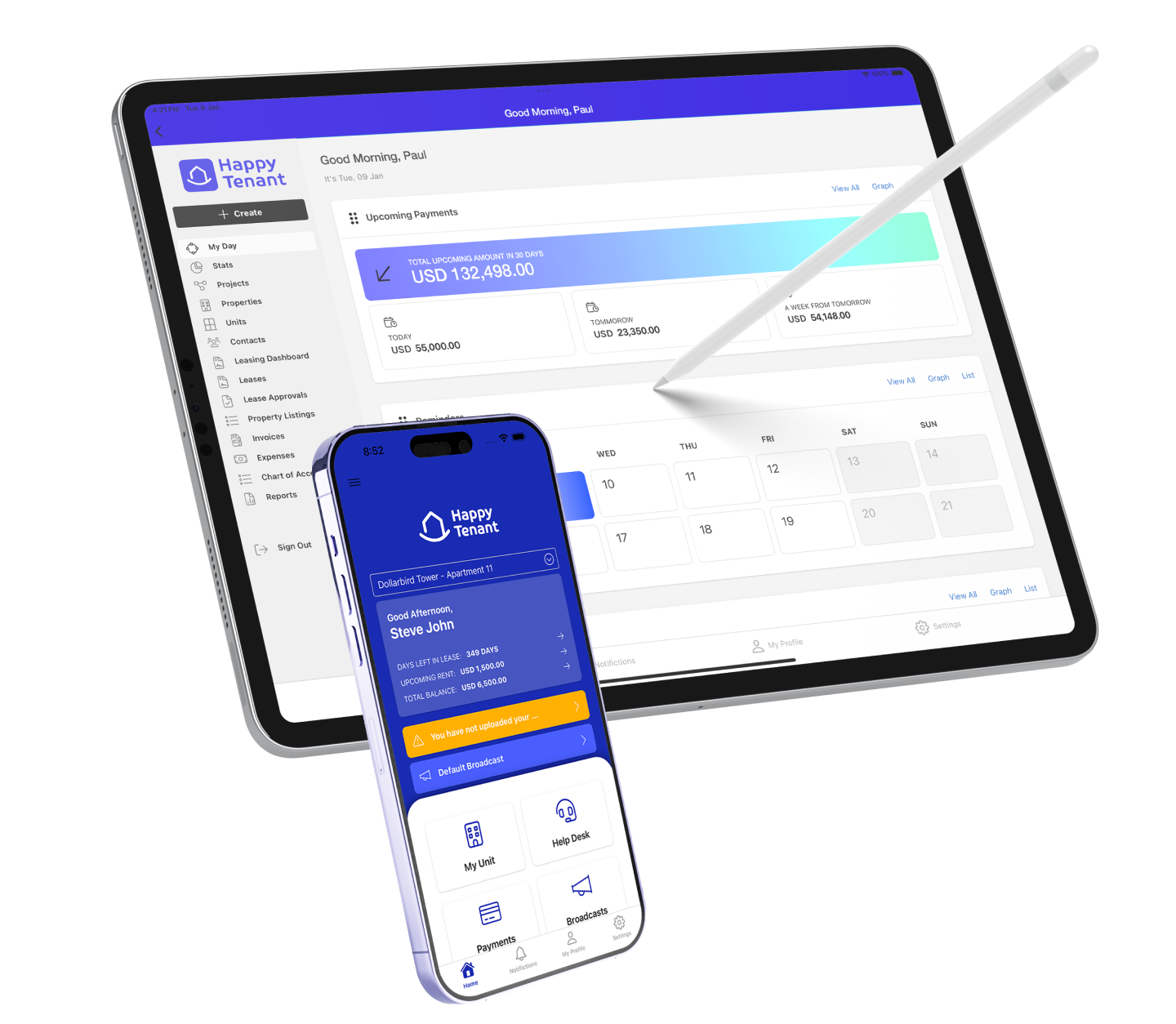
Providing support beyond the physical housing itself strengthens the community. Successful military housing rental programs offer resources such as relocation assistance, orientation sessions, and access to local services. Open communication channels—through websites, mobile apps, or resident portals—keep tenants informed about policies, events, and maintenance schedules, fostering a sense of connection and transparency.
Compliance and Quality Assurance
Military housing must comply with stringent federal, state, and local regulations, including safety codes and environmental standards. Regular inspections, audits, and quality assessments ensure units meet or exceed these requirements. Maintaining detailed records of compliance activities protects both residents and management and promotes accountability.
Data-Driven Program Management
Leveraging data analytics enables program managers to monitor occupancy rates, maintenance trends, and resident satisfaction. These insights inform decisions on resource allocation, capital improvements, and policy updates. Analyzing feedback from residents helps identify areas for improvement and tailor services to better meet community needs.
Financial Sustainability and Cost Management
Balancing affordability for residents with operational costs is critical. Successful programs establish transparent budgeting processes and optimize revenue collection, often through automated rent payments and financial reporting tools. Cost control measures, such as energy-efficient upgrades and preventive maintenance, contribute to long-term financial health.
Conclusion
A successful military housing rental program is a holistic endeavor that integrates clear policies, responsive service, compliance, and efficient operations. By focusing on resident needs, leveraging technology, and maintaining high standards, such programs provide stable, comfortable homes for those who serve. In doing so, they play a pivotal role in supporting military families and contributing to overall mission readiness.
Replies