Major Depression: Symptoms You Can't Ignore
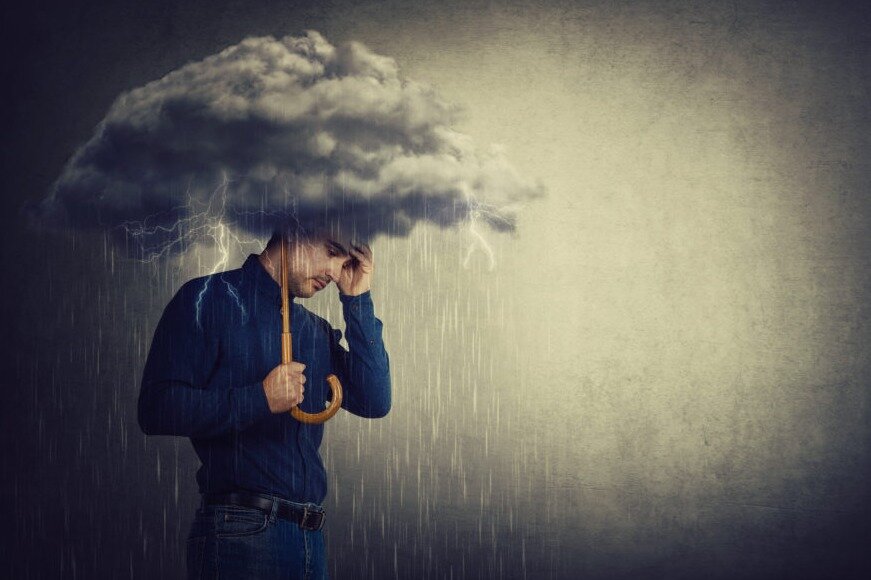
Depression is not just a bad mood or a passing feeling of sadness. It is a serious mental disorder that has devastating effects on all areas of a person's life. One of the most serious and complex forms of depression is major depression, also known as clinical depression or major depression. It is characterized by severe and long-lasting symptoms that significantly reduce the quality of life, interfere with daily activities, and can even lead to dangerous consequences, such as suicide. Let's look at the main symptoms of major depression.
1. Constant feelings of sadness
One of the main symptoms of major depression is a persistent feeling of sadness, despair, or emptiness. This condition can last for days, weeks, or even months. A person suffering from depression may feel that their life has no meaning and that they cannot see a way out of this condition. At the same time, the mood doesn’t change depending on external circumstances - even positive events or the support of loved ones can’t improve well-being.
2. Loss of interest in hobbies
A person with severe depression may lose interest in things that used to bring them joy and satisfaction. It can affect hobbies, work, communication with friends, and even personal life. This symptom is called anhedonia and is one of the main symptoms of depression. A person stops enjoying life and loses motivation and the desire to do even ordinary things that used to bring them joy.
3. Fatigue and reduced energy levels
Physical and mental exhaustion is a common symptom of major depression. A person may always feel tired, even if they have not exerted much physical or mental effort. This can lead to decreased productivity, concentration, and the inability to complete everyday tasks. Fatigue can be so severe that simple activities like getting out of bed or doing routine tasks seem impossible.
4. Changes in appetite and weight
Severe depression is often accompanied by changes in appetite and weight. Some people may experience severe loss of appetite and weight loss, while others may experience increased hunger and weight gain. These changes are often accompanied by brain disorders and hormonal imbalances associated with depressive states.
5. Sleep disorders
Depression can cause serious sleep problems. Some people suffer from insomnia: difficulty falling asleep, waking up in the middle of the night, or too early in the morning. But others experience excessive sleepiness: they may sleep much more than usual, but still not feel rested. Sleep disorders worsen depression and form a vicious circle: lack of sleep worsens mental well-being, and depression affects normal rest.
6. Feelings of guilt and worthlessness
People with severe depression often experience strong feelings of guilt or worthlessness. They may constantly worry about past mistakes or feel that they are not good enough. These thoughts can be so insidious that a person begins to believe in their inability to cope with life's difficulties. This feeling can intensify and turn into an irrational belief that their life has no meaning.
7. Thoughts of death and suicide
Thoughts of death or suicide are one of the most dangerous symptoms of major depression. A person may feel that life is meaningless or may be seen as a burden to others. In extreme cases, it can lead to suicidal plans. These thoughts require immediate attention and intervention because they pose a serious threat to human life. If a loved one notices these symptoms, it is very important to seek professional help and depression therapy immediately.
8. Physical symptoms
Depression can manifest itself not only on an emotional level but also on a physical level. Many people suffering from deep depression complain of constant body aches, headaches, digestive problems, and other symptoms that have no apparent medical cause. These physical manifestations can be the result of stress and emotional exhaustion that accompany a depressive state.
Replies