Lower Back Pain: Causes, Symptoms, and Treatment Options
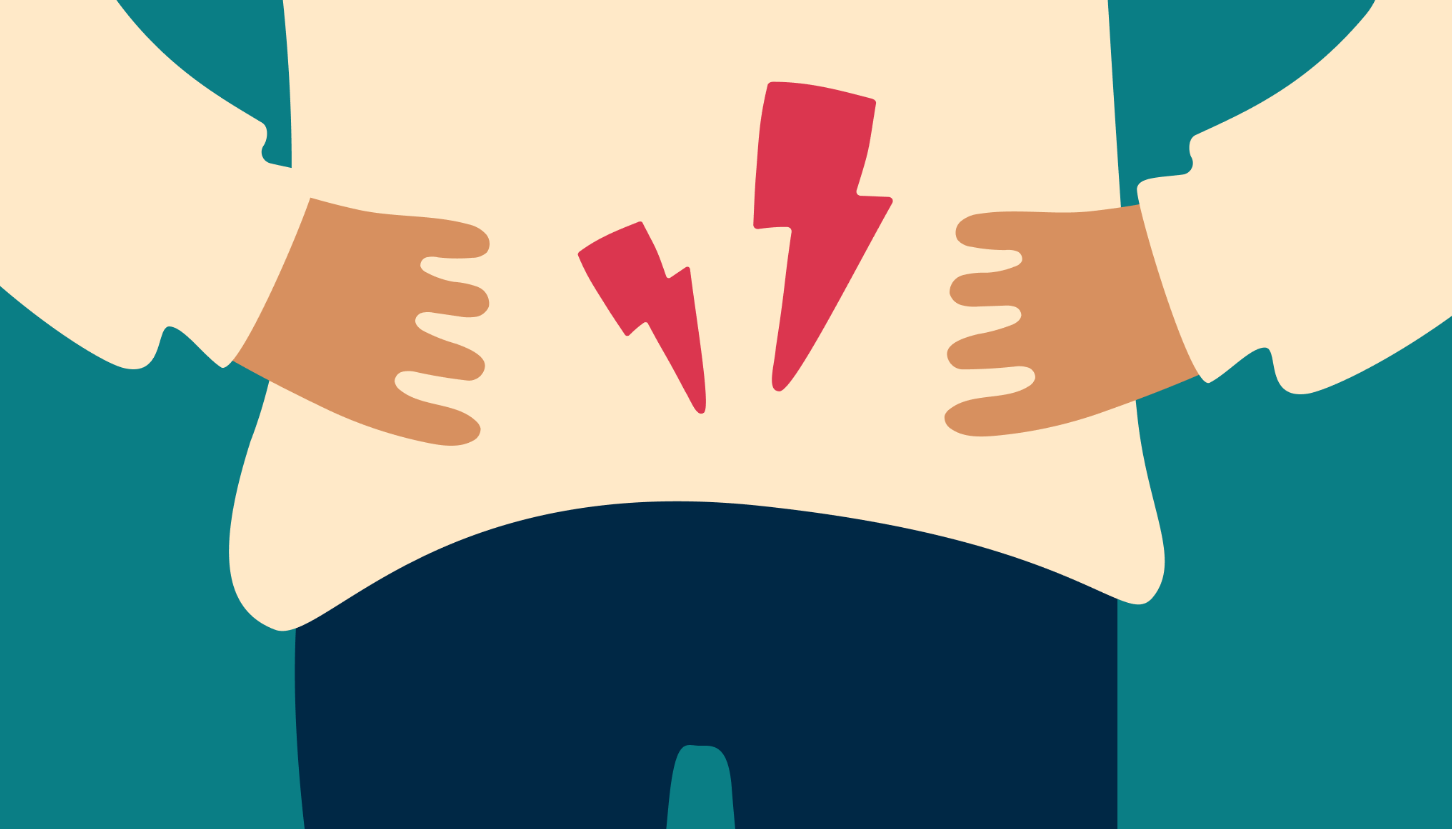
Pain in the lower back is one of the most common issues in people of all ages. This problem can affect young and older adults, often reducing their quality of life. Many factors, both internal and external, can cause lower back pain. In this article, we will look at the leading causes of lower back pain, symptoms, diagnostic methods, and different treatment approaches.
Causes of lower back pain
Lower back pain can be caused by many factors, both internal and external. The leading cause can be a muscle or ligament sprain caused by physical activity or poor posture. A herniated disc is also a common cause of lower back pain. It occurs when the gelatinous core of the intervertebral disc breaks through its wall and begins to exert pressure on the nerves.
Spinal stenosis, a narrowing of the spinal canal, can also lead to low back pain. This condition is common among older people. Osteoarthritis and other degenerative joint diseases can cause chronic back pain, especially in older people. Inflammatory diseases such as ankylosing spondylitis can also cause low back pain.
Damage to the spine or spinal cord can lead to acute or chronic back pain. This can include car accidents, falls, or sports injuries. Poor posture, a sedentary lifestyle, and excess weight can contribute to lower back pain due to increased stress on the spine.
Symptoms
Symptoms of low back pain can range from mild discomfort to severe, debilitating pain. Acute pain can occur suddenly and last from several days to several weeks. Chronic pain lasts more than three months and can be constant or intermittent.
The pain may worsen with specific movements or positions, such as bending or lifting heavy objects. In some cases, the pain can radiate to the buttocks, legs, or even feet. Muscle weakness, numbness, or tingling in the legs may indicate a nerve disorder. Under certain conditions, loss of bladder or bowel control loss may occur, requiring immediate medical attention.
Diagnostic methods
Doctors use different methods to diagnose low back pain. First, a physical examination is performed, where the doctor assesses spinal mobility, muscle strength, and reflexes. X-rays can reveal changes in the bone structure of the spine, such as osteoarthritis or fractures.
Magnetic resonance imaging (MRI) provides detailed images of soft tissue, including intervertebral discs and nerves. Computed tomography (CT) can be useful for a detailed examination of the bony structure of the spine. Electromyography (EMG) assesses the electrical activity of muscles and nerves, which can help identify nerve damage. Laboratory tests may be ordered to rule out infections or inflammatory conditions such as ankylosing spondylitis.
Treatment methods
Lower back pain treatment depends on the cause and severity of the symptoms. Non-surgical options include medication, physical therapy, massage, and alternative treatments. Pain relievers such as nonsteroidal anti-inflammatory drugs (NSAIDs) and muscle relaxants can help reduce pain and inflammation.
Physiotherapy includes exercises to strengthen the back muscles and improve flexibility. Massage and manual therapy can help relax muscles and improve circulation. Alternative treatments such as acupuncture and yoga may also be helpful for some patients. In some cases, surgery may be necessary.
Surgery is indicated for disc herniation, spinal stenosis, or other severe conditions that cannot be treated conservatively. Microdiscectomy is a minimally invasive procedure to remove a herniated disc and release a compressed nerve. A laminectomy is used to remove part of the spinal arch to relieve pressure on the spinal cord. Spinal fusion is a procedure in which two or more vertebrae are joined to stabilize the spine.
Prevention
You need to lead a healthy lifestyle and good posture to prevent back pain. Regular exercise, especially exercises that strengthen the back and abdominal muscles, can help prevent back problems. Maintaining a healthy weight reduces the spine's load and the risk of back pain. Proper posture when sitting, standing, and lifting heavy objects helps prevent spinal cord injuries. Avoiding prolonged sitting and taking regular stretching breaks will help keep your spine healthy.
Replies