Keep Your Cat Healthy With These Tips
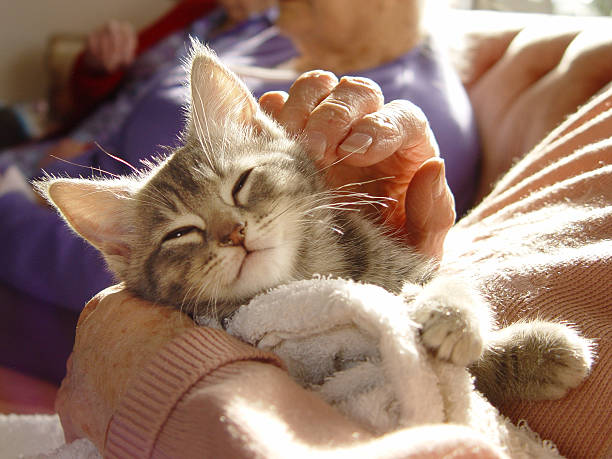
Cats are an important part of our lives. They bring joy and companionship to us with their playful nature and affectionate personality. As responsible pet owners, it is our duty to ensure that our furry friends stay healthy and happy. While regular visits to the vet are necessary for your cat's health, there are some simple things you can do at home to keep them in top shape.
In this blog post, we will share some tips on how to keep your cat healthy. From the importance of regular grooming and hydration to understanding the need for a clean litter box and encouraging use of a scratching post, we will cover everything you need to know about taking care of your feline friend's health. So, let's get started on creating a healthy environment for your beloved cat!
Importance of Regular Grooming for Cats
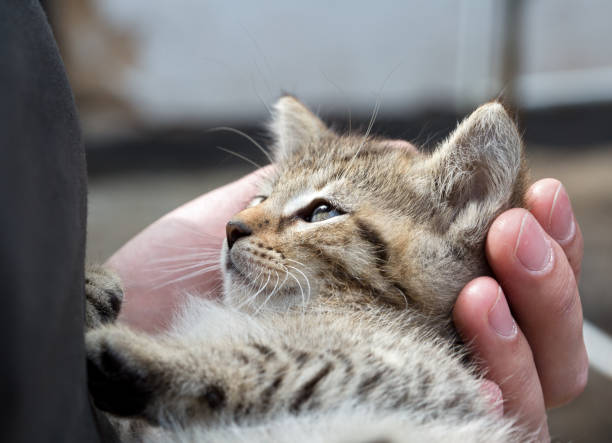
Regular grooming maintains a healthy coat, distributes natural oils, and prevents overgrown nails. It allows for skin checks and reduces shedding. Routine grooming helps prevent matting and tangling in the fur, ensuring your cat's comfort and well-being. This practice also fosters a strong bond between you and your feline friend, promoting good health and quality of life.
The Role of Brushing in Cat Health
Regular brushing promotes healthy skin and bonding with your feline friend. It also prevents hairballs and matting, stimulates natural oil production, and helps identify skin issues early. Choosing the right brush for your kitty's coat type is essential, providing mental stimulation and strengthening your bond. Remember, proper grooming is crucial for your cat’s overall well-being and health.
How Often Should You Groom Your Cat?
Regular grooming is essential for your cat's health. Long-haired cats may require daily sessions, while short-haired cats benefit from a few times a week. Make sure grooming is a positive experience to encourage consistency. Older cats and those with health issues may need more frequent grooming. Consider professional grooming for cats with thick or long hair.
The Significance of Hydration for Your Feline Friend
A cat’s hydration is crucial for overall health. While wet food offers water, fresh sources are also needed. Dehydration can lead to urinary issues. Use fountains and multiple bowls to encourage drinking. Monitor intake, especially for older or sick cats. Adequate hydration is key for your feline friend's well-being.
How Much Water Should a Cat Drink Daily?
On average, cats should consume about 3.5 to 4.5 ounces of water per 5 pounds of body weight. Factors like diet, activity level, and health concerns can influence a cat's water intake. It's especially important for cats on dry food diets to have enough water. Cats with health issues may need increased water consumption. Regularly cleaning their water bowl can encourage them to drink more.
Tips to Encourage Your Cat to Drink More Water
Placing water bowls away from food and litter boxes can promote drinking. Adding wet food or water to dry food can boost your cat’s water intake. Offering fresh water in different bowls can pique your cat’s interest. Providing a water fountain can entice cats to drink more throughout the day. Regular playtime and mental stimulation can encourage cats to drink more.
Understanding the Need for a Clean Litter Box
A clean litter box is crucial for your cat’s physical and mental well-being. It helps reduce the risk of urinary tract infections and allows you to monitor your cat’s health and habits. Dirty litter boxes can lead to urination issues and stress in cats. Choosing the right litter box and type can make a significant difference in your cat’s litter box habits.
How Often Should You Change the Litter Box?
Regular cleaning of the litter box is crucial for most cats. Scoop it at least once a day and completely change the litter periodically. Multi-cat households may require more frequent cleaning. Neglecting the litter box can lead to potty accidents, so consider using a hood or liner for easier maintenance.
Choosing the Right Litter for Your Cat
When selecting the right litter for your cat, consider clumping litter for efficient cleaning and non-clumping options for kittens or sensitive-pawed cats. Cats may have preferences for scented or unscented litter, and those with respiratory sensitivities benefit from natural, dust-free choices. Experimenting with different types helps find what your cat prefers.
Encouraging Use of a Scratching Post
Fulfill your feline friend's scratching instincts with a variety of scratching post materials such as cardboard and sisal. Regular interaction and playtime near the scratching post can effectively encourage its use. Additionally, using catnip or toys to attract your kitty to the scratching post can be a great strategy to promote healthy scratching habits.
Why Do Cats Scratch and How to Redirect Them?
Cats scratch to mark their territory and keep their claws healthy. To redirect scratching behavior, provide a scratching post and use positive reinforcement. Scratching also helps cats stretch and exercise. Applying catnip to the post can attract your cat. Regular nail trimming reduces the need for scratching.
Selecting a Cat-friendly Scratching Post
When choosing a cat-friendly scratching post, consider its height for full stretching and stability to prevent tipping. Offer materials like sisal, cardboard, or carpet, placing it in areas your cat frequents. Encourage use with positive reinforcement and interactive play. This ensures your feline friend's health by promoting good scratching behaviors and maintaining their claws.
Conclusion
Taking care of your cat's health is essential for their overall well-being. Regular grooming helps maintain their coat and prevent hairballs. Make sure to brush them regularly to remove any loose fur and keep their skin healthy. Hydration is also crucial for cats, so ensure they have access to fresh water at all times. You can encourage them to drink more water by using a cat-friendly fountain or adding wet food to their diet. A clean litter box is important for their hygiene and comfort. Scoop it daily and change the litter regularly. Lastly, provide a scratching post to fulfill their natural instincts and protect your furniture. By following these tips, you can keep your cat happy and healthy for years to come.
Replies