IV Drip at Home: A Complete Patient Guide
Modern healthcare offers several ways for patients to receive appropriate treatment without making unnecessary trips to a medical facility. IV Drip at Home is one option for individuals who require prescribed intravenous fluids or medication and are medically suitable for receiving treatment in a home environment. The service involves professional assessment, preparation of medical equipment, administration of the prescribed infusion, and monitoring for potential complications. Understanding how this treatment works helps patients make informed decisions about their healthcare needs.
When symptoms such as dehydration, persistent vomiting, or unusual weakness occur, obtaining a medical assessment is important before choosing a treatment. Doctor At Home In Dubai services can provide eligible patients with access to a professional evaluation in familiar surroundings. A doctor can assess symptoms, review medical history, and recommend an appropriate treatment plan, including oral hydration, prescribed IV fluids, further investigations, or hospital care when necessary.
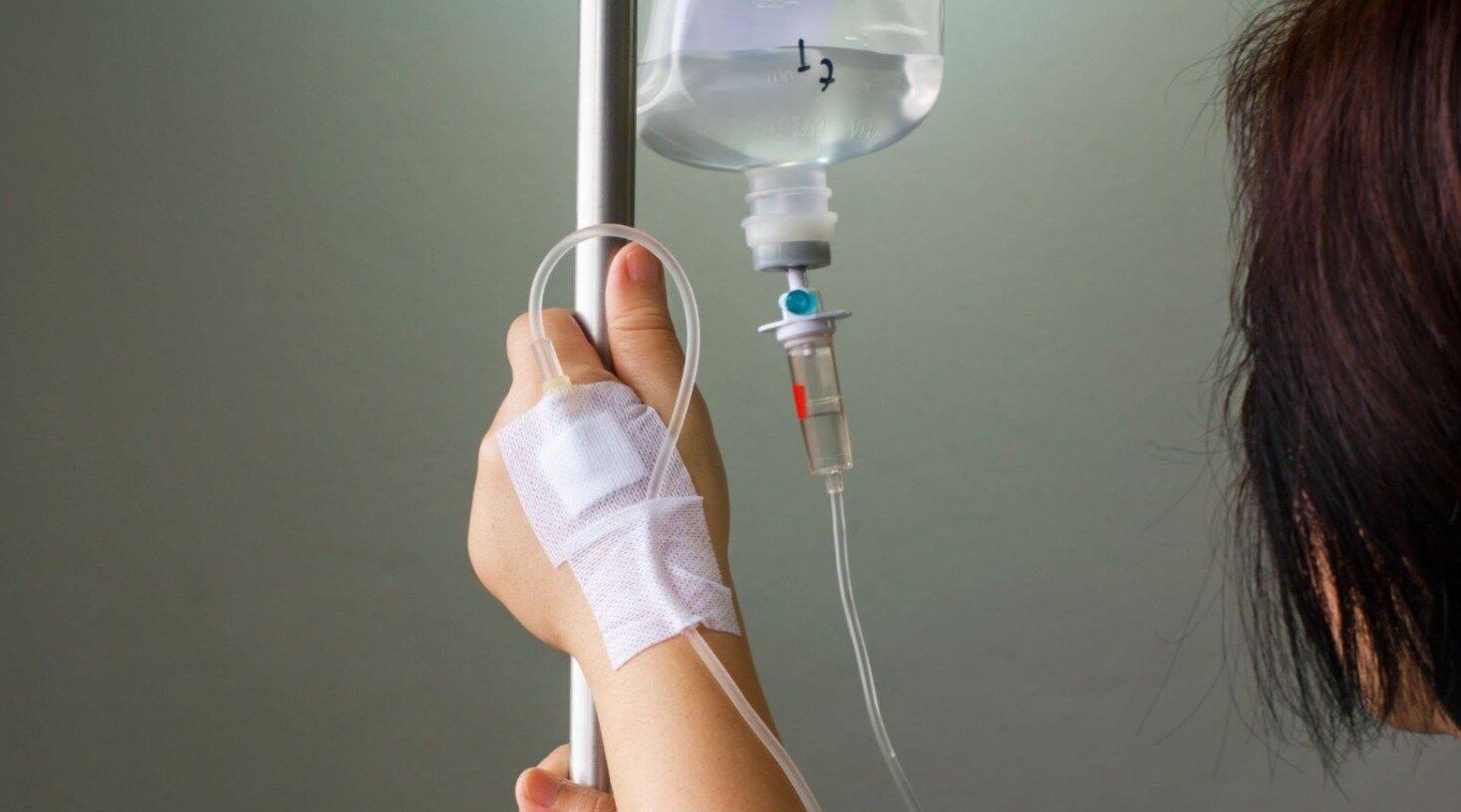
What Is IV Drip at Home?
An intravenous drip delivers fluids or prescribed medication directly into a vein through a small catheter. Healthcare professionals may recommend this method when a patient cannot maintain adequate hydration orally or requires medication that must be administered intravenously.
With IV Drip at Home, a qualified healthcare professional assesses the patient's condition and follows an appropriate treatment plan. The type of fluid, quantity, and administration rate depend on medical needs, fluid losses, and relevant health conditions.
IV therapy is not necessary for every patient experiencing fatigue, thirst, or mild dehydration. Many people can recover from mild dehydration by drinking water or an appropriate oral rehydration solution. A clinician should determine whether an infusion is medically necessary.
Common Reasons for IV Drip at Home
Dehydration and Fluid Loss
Dehydration develops when the body loses more fluid than it receives. Common causes include vomiting, diarrhoea, fever, excessive sweating, and inadequate fluid intake.
Mild dehydration can often be managed with oral fluids, while more significant cases may require medical evaluation and intravenous treatment. A healthcare professional should assess the severity of dehydration before deciding which treatment is appropriate.
Difficulty Maintaining Oral Hydration
Some patients struggle to drink enough fluids because of persistent nausea, vomiting, swallowing difficulties, or certain medical conditions. Depending on the underlying problem, a clinician may recommend an alternative method of fluid replacement.
The reason for reduced fluid intake must also be investigated. Repeated vomiting, for example, may require treatment beyond hydration alone.
Prescribed Intravenous Medication
Certain medications must be administered directly into a vein. When a patient is stable and the prescribed treatment is suitable for home administration, a healthcare provider may arrange a supervised appointment.
The decision depends on the medication, the patient's condition, monitoring requirements, and whether appropriate emergency support is available.
Benefits of IV Drip at Home
Convenient Access to Treatment
One potential advantage of IV Drip at Home is the convenience of receiving suitable medical care without travelling to a clinic. This may help patients with mobility limitations or those recovering from certain illnesses.
A home appointment can simplify access to scheduled treatment, but it is appropriate only when the patient's condition does not require hospital-level care.
Personalized Medical Attention
Every patient has different hydration requirements and medical circumstances. Age, fluid loss, medication use, kidney function, and heart health can all influence whether intravenous fluids are suitable.
A qualified professional can assess these factors and select treatment according to the patient's needs. This reduces the likelihood of unnecessary infusions and helps manage potential complications.
Comfort During Recovery
Some patients prefer receiving appropriate treatment in familiar surroundings, particularly when travelling is difficult. Home-based care may make prescribed treatment more manageable while allowing patients to follow their clinician's recovery instructions.
However, receiving an infusion at home does not automatically mean recovery will be faster. Outcomes depend on the underlying condition and whether the treatment is medically appropriate.
How Does the IV Drip Process Work?
Initial Health Assessment
Before the infusion begins, the healthcare professional reviews the patient's symptoms, medical history, allergies, current medications, and relevant health conditions.
Depending on the situation, the assessment may include checking blood pressure, pulse, temperature, and other observations. Some patients may need laboratory testing or additional investigations before treatment.
Preparation and Administration
After the treatment has been approved, the professional prepares the prescribed fluid and sterile equipment. A small catheter is inserted into a suitable vein, usually in the hand or arm, and the infusion is administered at the prescribed rate.
The professional follows infection-control procedures and monitors the patient throughout treatment. Patients should report pain, swelling, burning, or unusual discomfort around the insertion site immediately.
Monitoring and Aftercare
After the infusion, the healthcare professional removes the catheter when appropriate, checks the insertion site, and provides aftercare instructions.
Patients may receive guidance about oral hydration, follow-up appointments, and symptoms that require additional medical attention. The treatment plan should also address the underlying cause of the patient's symptoms.
Is IV Drip at Home Safe?
IV Drip at Home can be appropriate for selected patients, but intravenous treatment carries potential risks. These include infection, bleeding, inflammation of the vein, fluid leakage into surrounding tissue, and fluid overload.
People with certain heart or kidney conditions may be particularly vulnerable to complications from excessive fluid administration. A professional assessment is therefore essential before treatment begins.
Choosing Qualified Healthcare Professionals
Choose a provider that employs appropriately licensed healthcare professionals and follows established infection-control procedures. The service should explain the prescribed treatment, possible side effects, monitoring arrangements, and steps taken if complications occur.
Avoid attempting to insert an IV catheter yourself or using unverified infusion products. Vitamins and other additives should only be administered when medically appropriate and approved by a qualified professional.
Recognizing Warning Signs
Pain, redness, swelling, or discharge around the catheter site should be reported promptly. Fever or chills after an infusion may also require medical assessment.
Difficulty breathing, chest pain, fainting, or sudden confusion requires urgent medical attention. Do not rely on another home infusion to manage these symptoms.
Who Should Consult a Doctor Before IV Therapy?
Anyone considering intravenous hydration should undergo an appropriate medical assessment. Additional caution is important for people with kidney disease, heart failure, electrolyte disorders, or medications that affect fluid balance.
Patients experiencing persistent vomiting, reduced urination, or ongoing weakness should seek medical advice to identify the cause. Severe dehydration, confusion, fainting, or other serious symptoms may require emergency treatment rather than a home appointment.
IV fluids should not be used simply to improve energy or general wellness without a clear clinical reason.
Preparing for an IV Drip at Home Appointment
Before the appointment, prepare a list of medications, allergies, medical conditions, and recent symptoms. Explain whether you have experienced vomiting, diarrhoea, fever, or reduced fluid intake.
Choose a clean, well-lit area where the healthcare professional can work safely. Follow the clinician's instructions regarding fluid intake and medication, and do not change prescribed treatment without medical advice.
Ask questions about the purpose of the infusion, expected duration, possible complications, and recommended follow-up care.
How to Choose a Reliable Home IV Therapy Service
A reliable provider should offer appropriate medical assessment, qualified professionals, sterile equipment, and clear communication about treatment risks. Ask who determines whether you need IV fluids and how the service manages emergencies.
It is also important to understand the treatment costs, appointment arrangements, and any follow-up requirements before proceeding.
Be cautious of providers promising guaranteed energy improvements, instant recovery, or universal health benefits. Responsible healthcare focuses on the patient's actual medical needs rather than recommending the same infusion to everyone.
Conclusion
IV Drip at Home can offer convenient access to prescribed intravenous treatment for patients who are medically suitable for home care. Its safe use depends on an appropriate assessment, the correct fluid or medication, professional administration, and monitoring for complications.
Not everyone who experiences fatigue or dehydration needs an IV infusion. Oral fluids may be sufficient for mild dehydration, while severe symptoms require urgent medical attention. Consulting a qualified healthcare professional helps ensure that treatment is appropriate, safe, and focused on supporting the patient's overall health.
Replies