In Home Nursing: Compassionate care to promote healing at home.
Healthcare is evolving, and one of the most significant trends reshaping the industry is the rise of in-home nursing. For patients recovering from surgery, managing chronic illnesses, or seeking palliative care, in-home nursing provides a compassionate, personalized alternative to hospital stays. With advancements in medical technology and home-based healthcare solutions, patients now have access to the care they need in the comfort and safety of their own homes.
This article explores the key benefits of in home nursing and why it is becoming an increasingly preferred choice for patients and their families.
A Personalized Approach to Recovery
One of the primary advantages of in-home nursing is the tailored care it offers. Unlike hospital settings, where attention is divided among numerous patients, in-home nursing focuses solely on the individual. Care plans are customized to address the patient’s unique medical needs, personal preferences, and recovery goals.
Personalized care ensures patients receive the highest quality of attention, which promotes faster recovery and improved health outcomes. Nurses at home take the time to build strong, trusting relationships with the patients, providing emotional support alongside medical assistance.
Comfort and Convenience
There’s a reason why people call home their sanctuary. Familiar surroundings make a significant difference in the healing process. Patients recovering from illnesses or surgeries often feel more at ease in their own homes, surrounded by loved ones and cherished personal items.
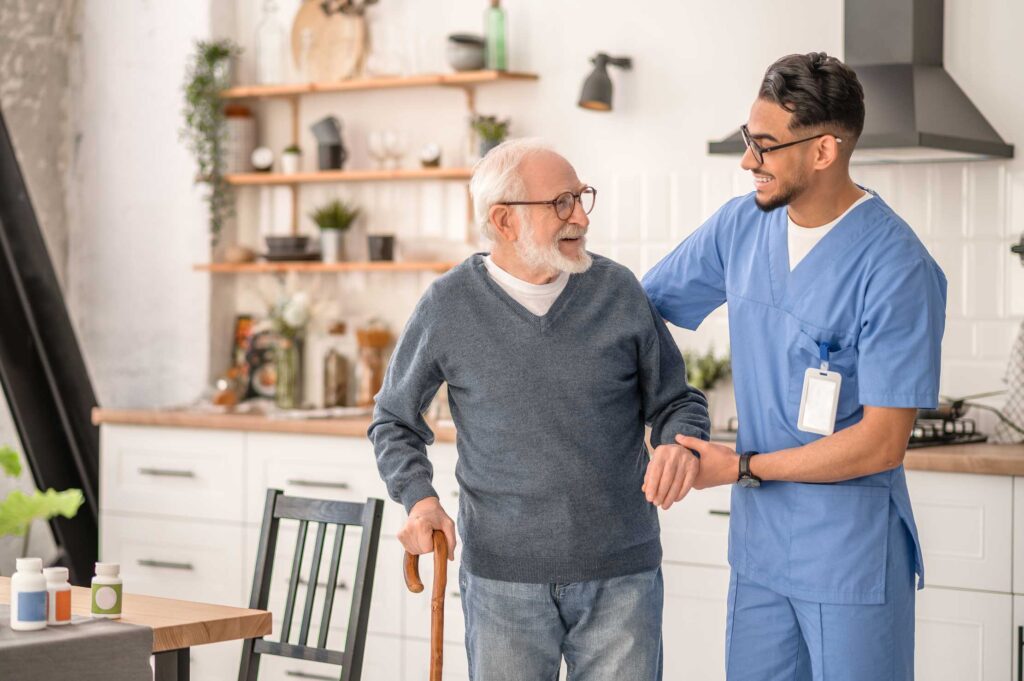
Additionally, in-home nursing eliminates the hassle of commuting to and from healthcare facilities. This is especially important for elderly patients or those with mobility challenges. With professional care delivered right to their doorstep, patients can focus solely on recovering without added stress.
Promotes Independence and Autonomy
For individuals managing chronic conditions or recovering long-term, in-home nursing fosters a sense of independence. Instead of transferring to long-term care facilities, patients who receive assistance at home retain control over their daily routines, diet preferences, and lifestyle choices.
This autonomy not only boosts their confidence but also contributes to their mental well-being. By staying in their own homes, patients maintain a sense of normalcy and stability during their recovery process.
Better Infection Control
Healthcare-associated infections are a major risk in hospitals and other clinical settings. Being surrounded by multiple patients increases the risk of contracting infections, especially for those with weakened immune systems.
By receiving care at home, this risk is significantly minimized. A controlled environment, free from overcrowded hospital wards, allows patients to heal without worrying about additional health complications arising from secondary infections.
Emotional Support and Familiar Connections
The healing process is not just physical—it’s emotional too. Having family members nearby provides patients with consistent emotional support, which plays a critical role in recovery.
Professional nurses working within a home setting often collaborate closely with families, ensuring they stay informed about the patient’s progress and are equipped with the knowledge to participate in caregiving duties when necessary. This collaborative approach not only alleviates stress for families but also enhances the overall care experience.
Cost-Effective Care
Hospital stays can be expensive, with costs quickly escalating due to room charges, meals, and constant supervision. On the other hand, in-home nursing often provides a more affordable solution without compromising on the quality of care.
Patients can access professional medical attention without incurring the high overhead costs associated with in-patient care facilities. For families looking to manage expenses while prioritizing the best possible care, opting for nursing at home is an effective solution.
Replies