Improving Your Landscape With These Valuable Tips
Content author-Pitts Munksgaard
What is landscaping? Simply put, it is the use of different techniques to modify an area, whether it be adding new plants, or even a fountain. There are many landscaping jobs that anyone can do that will improve the style of any home. Included below are some useful tips that will help you.
You should always make a material list before starting any landscaping project. There is no bigger frustration than beginning your project only to discover that you are without a vital tool; all work must then come to a stop until the proper material is found.
Before you begin your project, you should make sure that you have a list of the things you need to complete your project so that you are not running back and forth to home improvement stores. Artificial turf tempe az can be more of a bummer than beginning a project and then finding out that you're short a few things. This can zap your enthusiasm and delay your project.
Before purchasing or planting a given plant, ensure that you know its expected height and its growth rate. You may decide not to bother with that cute little shrub if you find out how quickly it can become an overgrown monster. Fast-growing plants may require more pruning and maintenance than you bargained for, so do your homework before you shop.
Purchase what you need in different stages. It can be very expensive to buy everything at one time. Think about your project, and separate it into several steps. Buy what you need for one step at a time. This will keep you from going into credit debt, allow you to evaluate your project as you go, and help you make changes as necessary.
Planting flowers in the shade often leads to disappointment. You may want to consider using ground cover instead. This adds beauty to your landscaping with the added benefit that it is quite easy to maintain. Anything like hosta and sweet woodruff make for excellent ground cover.
Consider growing a hedge or bamboo plants to add privacy to your hard. Bamboo is a hardy grass, and it grows very quickly. It can add a lot of beauty to your property, and also give you a privacy barrier from neighbors or noisy streets. Just be cautious when growing bamboo as it does grow very quickly, meaning you will have to prune it regularly to keep it from becoming over grown.
Purchase the largest tree that your budget allows. Even if you plan to live in your home for many years, remember that most trees grow very slowly. While you may only be able to afford a single tree, few landscaping elements make an impact as bold and attractive. Choose a tree that thrives in the native climate and soil type.
When planning your home landscape projects, keep in mind that substantial savings can be found by purchasing outside peak seasonal periods. Purchase your trees, plants and mulch late in the planting season for the best sales. Wood, trim and building supplies for outdoor decks and improvements are often cheapest in the winter months since the demand is lower. If you have the ability to store supplies for a short while, you can save a bundle buying in the off-season.
Speak often with your neighbors and friends about your landscaping plans. They may also want to do work on their yards, and you may be able to go in together to rent things like chippers or tillers. By sharing this equipment, you will all save money and be able to get your work done.
Use annuals to bring color to your project. Perennial flowers are wonderful but they have a short lifetime, usually only a few month. Fill your beds with annuals and they will stay colorful throughout the year. Use perennials to complement the color scheme you have already established with the annual flowers.
Rather than simply using concrete, you can really enhance a walkway when you use decorative pavers. These pavers can come in a variety of colors, and textures that can really enhance the look of your landscape. Just make https://docs.google.com/presentation/d/1ILhRqq2THH2b13KmXY9MYVjbtKShpUz6FInJZ5IMyuI/edit#slide=id.g74019a0da4_0_80 that whatever you choose, compliments the rest of your landscape well.
Before beginning a landscaping project investigate what it might do to your property tax bill. There are a number of projects that can greatly increase the value of your home, which will results in yearly payments via taxes on your landscaped yard. Be sure these costs are something you are willing to incur before you begin.
When planning a landscaping project in an arid part of the country, choose elements that require a minimum of watering. Many areas impose strict water restrictions, which makes it difficult to maintain a lush, green lawn. Opt for natural elements like rocks, artificial lawn, succulents or even decorative pebbles or concrete.
Always keep climate in mind as you select your plants and flowers. Some plants require a frost to get them started, and if your weather does not cooperate, they may not sprout. You should also consider sunlight, wind strength, and rain amounts prior to choosing your plants.
During the Fall, remove debris from your yard daily if possible. Removing a few leaves once a day can really make the difference in the overall appearance of your yard, and it only takes minutes to do. If you wait to remove leaves until they are piled up, your yard will look unkept, and you will create a bigger job for yourself.
When hiring a professional landscaper, it is important to make sure they have a license, and liability insurance. You wouldn't want a tree to fall on your car, and not be able to collect for the damages! Always protect yourself, and your property by requiring proof of license, and insurance.
Add some special accessories to your garden. Statues, benches, signs and water features can make lovely additions to your yard. They will help to create a unique appearance that compliments your overall design. Just be sure that you do not over do it or your garden might look disheveled.
Consider the 'rule of three' when it comes to planting. Many advanced landscapers believe that plantings look best in groups of three, If not three, then any odd number typically looks better than an even number of plantings. This is not a set rule in any way, but a good one to keep in mind.
Your brain should now be swarming with ideas about how you want to change your home's landscape. Go ahead and use some of the ideas you learned today, but remember to always be on the lookout for new information, as well. You never know what you might come across when thinking of landscaping your home.
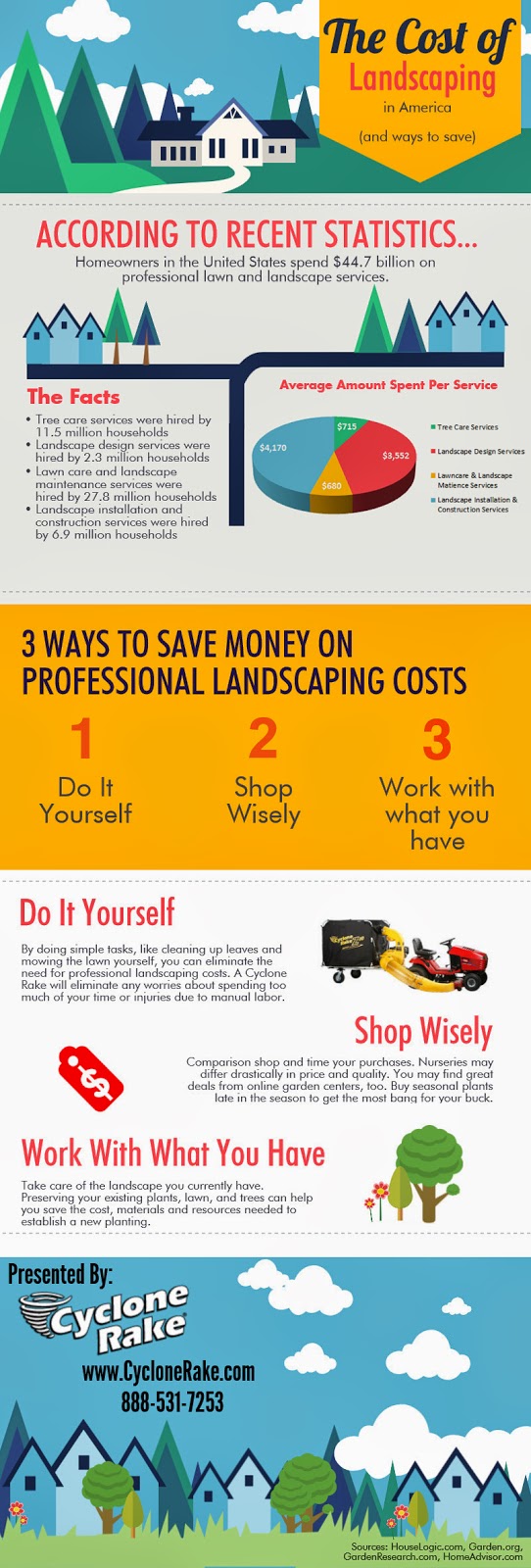
What is landscaping? Simply put, it is the use of different techniques to modify an area, whether it be adding new plants, or even a fountain. There are many landscaping jobs that anyone can do that will improve the style of any home. Included below are some useful tips that will help you.
You should always make a material list before starting any landscaping project. There is no bigger frustration than beginning your project only to discover that you are without a vital tool; all work must then come to a stop until the proper material is found.
Before you begin your project, you should make sure that you have a list of the things you need to complete your project so that you are not running back and forth to home improvement stores. Artificial turf tempe az can be more of a bummer than beginning a project and then finding out that you're short a few things. This can zap your enthusiasm and delay your project.
Before purchasing or planting a given plant, ensure that you know its expected height and its growth rate. You may decide not to bother with that cute little shrub if you find out how quickly it can become an overgrown monster. Fast-growing plants may require more pruning and maintenance than you bargained for, so do your homework before you shop.
Purchase what you need in different stages. It can be very expensive to buy everything at one time. Think about your project, and separate it into several steps. Buy what you need for one step at a time. This will keep you from going into credit debt, allow you to evaluate your project as you go, and help you make changes as necessary.
Planting flowers in the shade often leads to disappointment. You may want to consider using ground cover instead. This adds beauty to your landscaping with the added benefit that it is quite easy to maintain. Anything like hosta and sweet woodruff make for excellent ground cover.
Consider growing a hedge or bamboo plants to add privacy to your hard. Bamboo is a hardy grass, and it grows very quickly. It can add a lot of beauty to your property, and also give you a privacy barrier from neighbors or noisy streets. Just be cautious when growing bamboo as it does grow very quickly, meaning you will have to prune it regularly to keep it from becoming over grown.
Purchase the largest tree that your budget allows. Even if you plan to live in your home for many years, remember that most trees grow very slowly. While you may only be able to afford a single tree, few landscaping elements make an impact as bold and attractive. Choose a tree that thrives in the native climate and soil type.
When planning your home landscape projects, keep in mind that substantial savings can be found by purchasing outside peak seasonal periods. Purchase your trees, plants and mulch late in the planting season for the best sales. Wood, trim and building supplies for outdoor decks and improvements are often cheapest in the winter months since the demand is lower. If you have the ability to store supplies for a short while, you can save a bundle buying in the off-season.
Speak often with your neighbors and friends about your landscaping plans. They may also want to do work on their yards, and you may be able to go in together to rent things like chippers or tillers. By sharing this equipment, you will all save money and be able to get your work done.
Use annuals to bring color to your project. Perennial flowers are wonderful but they have a short lifetime, usually only a few month. Fill your beds with annuals and they will stay colorful throughout the year. Use perennials to complement the color scheme you have already established with the annual flowers.
Rather than simply using concrete, you can really enhance a walkway when you use decorative pavers. These pavers can come in a variety of colors, and textures that can really enhance the look of your landscape. Just make https://docs.google.com/presentation/d/1ILhRqq2THH2b13KmXY9MYVjbtKShpUz6FInJZ5IMyuI/edit#slide=id.g74019a0da4_0_80 that whatever you choose, compliments the rest of your landscape well.
Before beginning a landscaping project investigate what it might do to your property tax bill. There are a number of projects that can greatly increase the value of your home, which will results in yearly payments via taxes on your landscaped yard. Be sure these costs are something you are willing to incur before you begin.
When planning a landscaping project in an arid part of the country, choose elements that require a minimum of watering. Many areas impose strict water restrictions, which makes it difficult to maintain a lush, green lawn. Opt for natural elements like rocks, artificial lawn, succulents or even decorative pebbles or concrete.
Always keep climate in mind as you select your plants and flowers. Some plants require a frost to get them started, and if your weather does not cooperate, they may not sprout. You should also consider sunlight, wind strength, and rain amounts prior to choosing your plants.
During the Fall, remove debris from your yard daily if possible. Removing a few leaves once a day can really make the difference in the overall appearance of your yard, and it only takes minutes to do. If you wait to remove leaves until they are piled up, your yard will look unkept, and you will create a bigger job for yourself.
When hiring a professional landscaper, it is important to make sure they have a license, and liability insurance. You wouldn't want a tree to fall on your car, and not be able to collect for the damages! Always protect yourself, and your property by requiring proof of license, and insurance.
Add some special accessories to your garden. Statues, benches, signs and water features can make lovely additions to your yard. They will help to create a unique appearance that compliments your overall design. Just be sure that you do not over do it or your garden might look disheveled.
Consider the 'rule of three' when it comes to planting. Many advanced landscapers believe that plantings look best in groups of three, If not three, then any odd number typically looks better than an even number of plantings. This is not a set rule in any way, but a good one to keep in mind.
Your brain should now be swarming with ideas about how you want to change your home's landscape. Go ahead and use some of the ideas you learned today, but remember to always be on the lookout for new information, as well. You never know what you might come across when thinking of landscaping your home.
Replies