How To Treat Plantar Fasciitis?
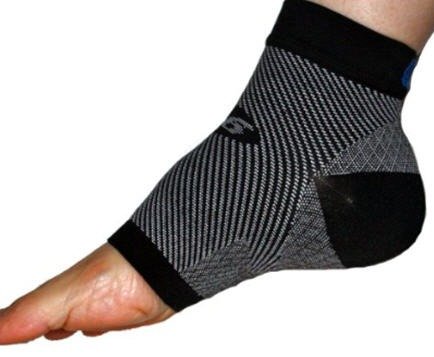
Plantar fasciitis or calcaneal spur is a very annoying and limiting inflammation, characterized by a pain in the sole of the foot, at the level of the heel under the Achilles tendon insertion, which is exacerbated in the mornings when the foot is first placed on the foot. the soil, and that later remits throughout the day.
The use of shoes with heels, makes this pathology occurs more frequently in women.
It is visible in many cases through an x-ray, a peak of bone in the lower part of the heel, commonly called the calcaneal spur. It is a very common opinion that the cause of the pain of plantar fasciitis is due to this structure, but this is not really the case. This structure is formed by persisting inflammation in a chronic way and producing a deposit of calcium in the fascia.
Causes Of Plantar Fasciitis:
The cause of this pathology is inflammation of the plantar fascia which is a ligament that joins the lower part of the calcaneus to the tip of the foot.
Give The Gift Of Pain Free Walking
In the majority it is for mechanical reasons that due to the stress of the impacts that the calcaneus bone receives, either by sports activities, or by day to day, it ends up producing an inflammation of this fascia.
Another cause in elderly people is due to the loss of elasticity of the ligament, which together with the mechanical requests of everyday life, can produce this inflammation of the fascia. This loss of elasticity causes that the structure is more rigid and loses the capacity of cushioning, and generates the pathology.
Treatment
The initial treatment of plantar fasciitis is conservative or orthopedic, using non-sterile anti-inflammatory drugs and the use of orthopedic insoles of discharge or pad templates in the heel region. If the pain does not subside, a cycle of between 1 and 3 corticosteroid infiltrations in the plantar fascia is applied. The conservative treatment lasts between 6 and 8 months.
Plantar Fasciitis Template:

In cases where conservative treatment is not effective, surgical treatment is indicated. The surgery consists of a section of the plantar fascia at the level of its calcaneal insertion, where the fascia is released and reinserted 5mm from its initial position, where part of the tension that is the cause of the inflammation will naturally heal. the time the structure of the calcaneal spur is filed in the cases that are present.
What makes us different?
The surgery of plantar fasciitis is a surgery that has been practiced for 40 years, but at the Planas Clinic we perform a procedure without performing a surgical approach and therefore if leaving scars on patients, reducing pain and accelerating recovery.
Unlike the traditional surgery in which an incision between 5 and 7 cm is made on the internal side of the heel, at clinical Planas we make a small 2mm entrance hole in the sole of the foot through which the plantar fascia is sectioned . This is an outpatient surgery, under local anesthesia and the patient can return to his home where the same day can support the foot on the floor, without crutches or orthopedic shoes.
With this technique, postoperative pain is lower compared to classical surgery without causing aesthetic damage by not leaving scars, and in which it is not necessary to perform cures or stitches, giving a definitive and permanent result.
Replies