How to Get Rid of Knee Pain Safely
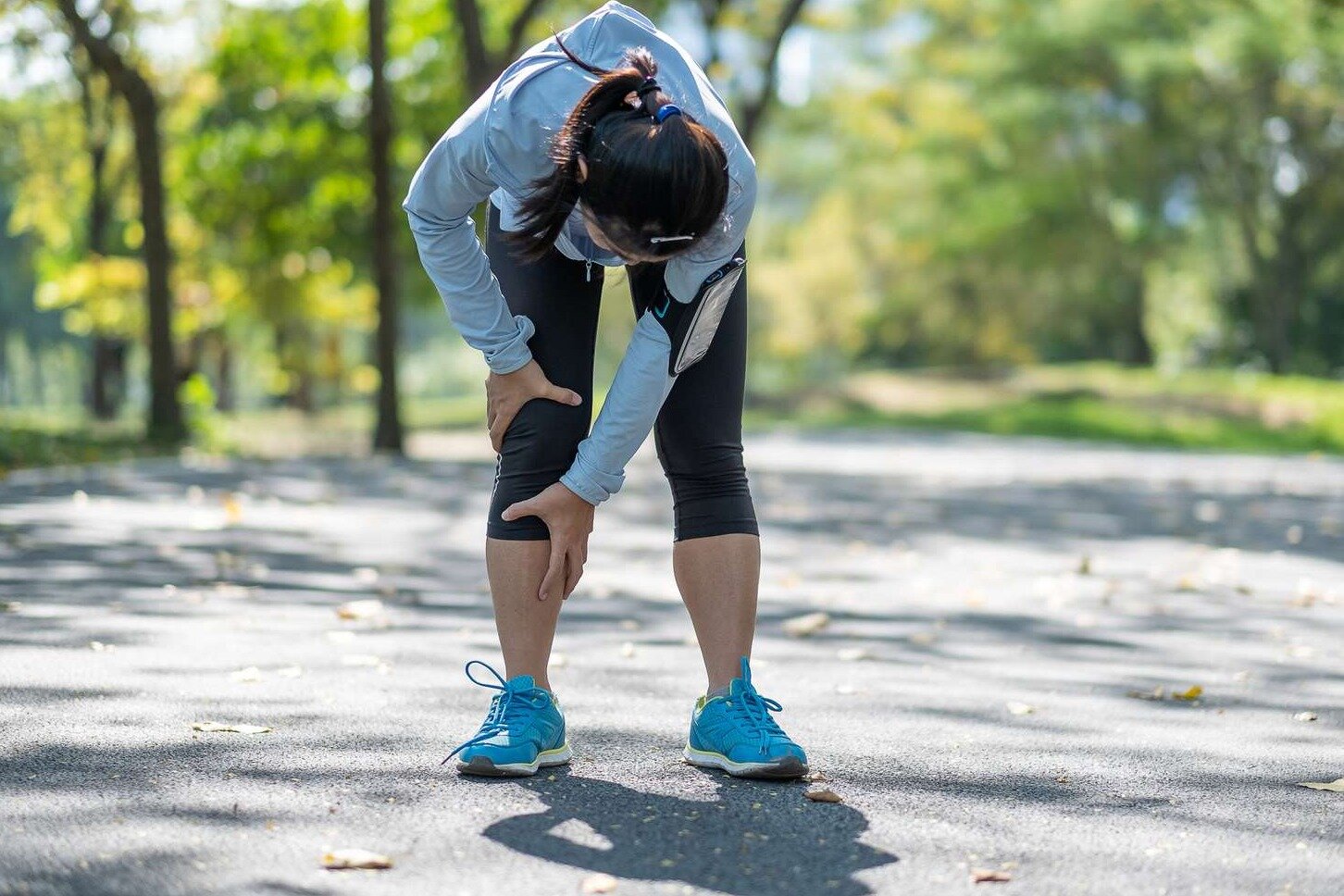
Knee pain is understandably tough to ignore. You feel it practically every time you move, whether you stand up, sit down, walk, bend, squat, lean, twist, or use the stairs.
Furthermore, if you exercise frequently, a sore knee can ruin the first five minutes of a HIIT workout or the first half mile of a run. If the discomfort is severe enough, it can entirely disrupt your exercise routine.
It won't be long before you want to do something, but how can you successfully cure knee pain?
Finding the source of your knee pain is the first step in determining how to treat it. You should also decide if you need to see a doctor or whether treatment you can try at home.
What causes knee pain?
An irritation or inflammation in the knee joint is often the cause of knee discomfort. This can be attributed to several factors, some of which are more prevalent in particular populations than others.
The following are the main reasons for knee pain:
- Arthritis
- Injury
- Overuse
- Growing pains
Only injury among those calls for quick action. Make an appointment with your doctor if you feel or hear a pop, for example, when you sustained an acute injury to your knee.
However, knee injuries aren't often obvious. If your pain is limited to one knee, you are unable to bear weight on it, your leg cannot be fully extended, or there is noticeable swelling, consult a doctor.
It is safest to attempt treating the other types of knee pain at home first if there are no such indicators of damage.
How to get knee pain relief at home
Among the options for treating knee discomfort at home are:
- Stretching
- Applying ice
- Resting
- Using a heating pad
- Modifying your workouts
- Foam rolling
- Taking a pain reliever
- Using a massage gun
With so many alternatives available, you may be wondering which is best for your situation. It depends on the most probable source of your knee pain.
Ice, heat, pain relievers, and beyond: Where should you start?
For starters, if your knee pain results from an injury, your doctor will provide you with a post-injury care plan to follow. Stick to the instructions carefully because some of the remedies listed above can cause more harm than good if started too soon.
If the inflammation is caused by arthritis or overuse, ice might be an excellent initial step since it reduces swelling, which leads to pain. This can also help lessen the need for pain medicines.
Nonsteroidal anti-inflammatory medicines (NSAIDs), such as ibuprofen and naproxen, serve to reduce inflammation, which relieves pain. Acetaminophen also relieves pain, however it should be noted that it does not lessen inflammation. So, which is the greatest pain reliever for knee discomfort? It depends.
Any underlying health concerns or drugs a person is taking must be considered. Someone who has an ulcer or acid reflux should avoid using NSAIDs for more than a day or two since they can worsen their symptoms.
People taking anticoagulants, often known as blood thinners, should exercise caution when using NSAIDs since medication interactions can increase the risk of bleeding.
Someone with no contraindications can take either form of pain reliever; however, NSAIDs are preferred if the discomfort is suspected to be caused by inflammation. Acetaminophen can be used in conjunction with NSAIDs to relieve severe pain, such as after a knee injury.
A heating pad can help with some types of knee discomfort, especially when muscle rigidity pulling on the knee tendons and ligaments is causing aggravation.
The knee joint is stressed when the muscles surrounding the knee (quadriceps, hamstrings, and calf) are tight. Heat increases blood flow to the area, relaxing and loosening tight muscles, and reducing stress on the knee's tendons and ligaments.
Stretching, foam rolling, and utilizing a massage gun can all help reduce muscle tension that causes knee pain. Listening to your body and taking precautions to avoid overuse or misuse of your knee joint and surrounding muscles can all help.
Rest can help prevent overuse, but it does not imply that you should stop exercising entirely. It could simply mean doing less—reducing the intensity or length—or doing something different, such as altering a workout so you jump less. Workout changes may also be necessary for specific types of knee pain.
Your doctor can help you keep to your exercise goals without increasing knee pain by discovering techniques to work your muscles while reducing the risk of developing an underlying problem. If you've been diagnosed with arthritis and are experiencing knee pain while squatting, we may recommend skipping deep squats and instead performing a leg press.
Replies