How Pregnancy Affects Your Eyes
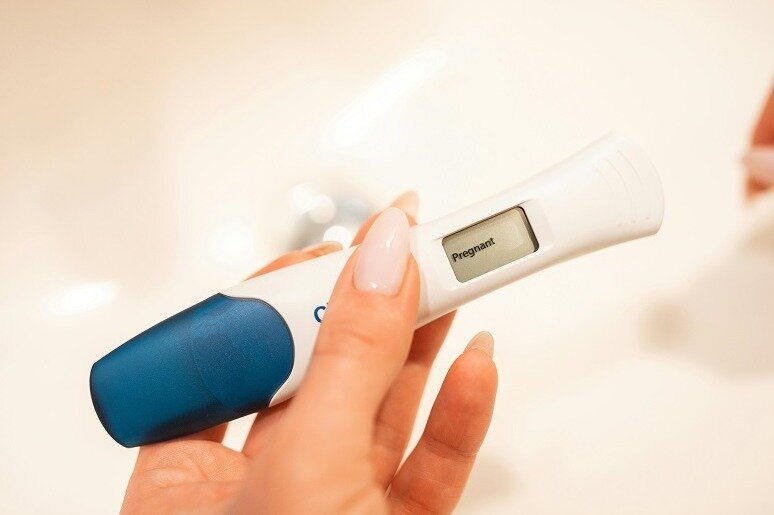
During pregnancy, the body experiences a wide range of changes, including increased tiredness, nausea, aches and pains, swelling, and more. Ocular health may also change for certain pregnant women.
Pregnancy-related visual abnormalities affect 15% of women, according to estimates.
Your body may alter in a variety of ways during pregnancy. Even though they can be painful at times, these changes are often entirely normal and simply your body's attempt to adjust to changing hormones and blood circulation, two physiological changes that support the growth and health of your unborn child within your womb.
Pregnancy might cause blurry vision. Prescriptions for eyeglasses or contacts may alter, and wearing contacts may even become unbearable for certain people. These changes are frequently transient and shouldn't raise long-term concerns, but they could also call for a consultation with an eye specialist who can assist in identifying symptom-relieving measures.
Changes in Hormones Enter the Room
Some of the bothersome pregnancy-related eye problems may be caused by hormonal changes. Changes in testosterone, progesterone, and estrogen can lead to dry eyes and altered tear production.
Fluid retention in the eye and other parts of the body can also result from elevated progesterone, the sex hormone frequently linked to early pregnancy. In addition to dry eyes, this might cause visible symptoms such as alterations in vision and eye sensitivity.
The cornea, the transparent tissue in front of the eye, may really be swollen or retain some moisture. Although it is a brief symptom, it might provide difficulties since some individuals experience a change in their prescription. A prescription adjustment can be required if those changes impair a person's vision. However, it's likely that the patient will ultimately go back to their pre-pregnancy prescription.
Contact lens wearers may also experience pain due to hormonal fluctuations. The cornea's curvature can be altered by fluid in the eye, which makes it challenging for the lens to rest squarely on the eye. Switch back to glasses in such cases in order to prevent lens pain. After giving birth, contact lens comfort and fit can return to normal as fluid retention improves.
Pregnant women are advised against undergoing some eye procedures, such as Lasik or other vision-correcting refractive operations, due to the possibility of hormonal alterations in eyesight. To guarantee that the patient will have the best possible outcome from the operation, it is advisable to wait three to six months after giving birth and after nursing before evaluating the patient.
Dryness and Irritation in the Eyes
Pregnancy-related dry eyes are frequently caused by these hormonal changes. Among the symptoms are:
- Vision blur;
- Redness;
- Watery eyes;
- Stinging or burning feelings in the eye.
In many situations, over-the-counter eye treatments can be helpful, but patients should consult their eye doctor first.
Monitoring Blood Sugar and Blood Pressure
Pregnancy can have additional effects on vision and the eyes, particularly if blood pressure or blood sugar levels are high. Retinal hemorrhage, optic nerve enlargement, and other symptoms that might endanger eye health are common in patients with preeclampsia, a blood disorder that causes hypertension during pregnancy. Although it's not a given, preeclampsia patients may experience vision problems.
When someone has dry eyes or corneal changes, their blurriness will be different from when they have preeclampsia. A prescription modification cannot address retinal problems, which arise in the rear of the eye. Diabetes can significantly impact ocular health as well. It's crucial to monitor a person's pre-existing diabetes or diabetic retinopathy since pregnancy may exacerbate these conditions.
Although there isn't always a higher risk of retinopathy for persons with gestational diabetes, they should still keep an eye out for symptoms like blurred vision, new spots or floaters in their field of vision, and see an eye doctor if anything changes. Maintaining a regular eye checkup schedule is advised for pregnant women who have no underlying eye disorders or diseases that do not impact eye health.
Replies